
Lower Back Pain Relief: What Helps at Home and When to See a Chiropractor
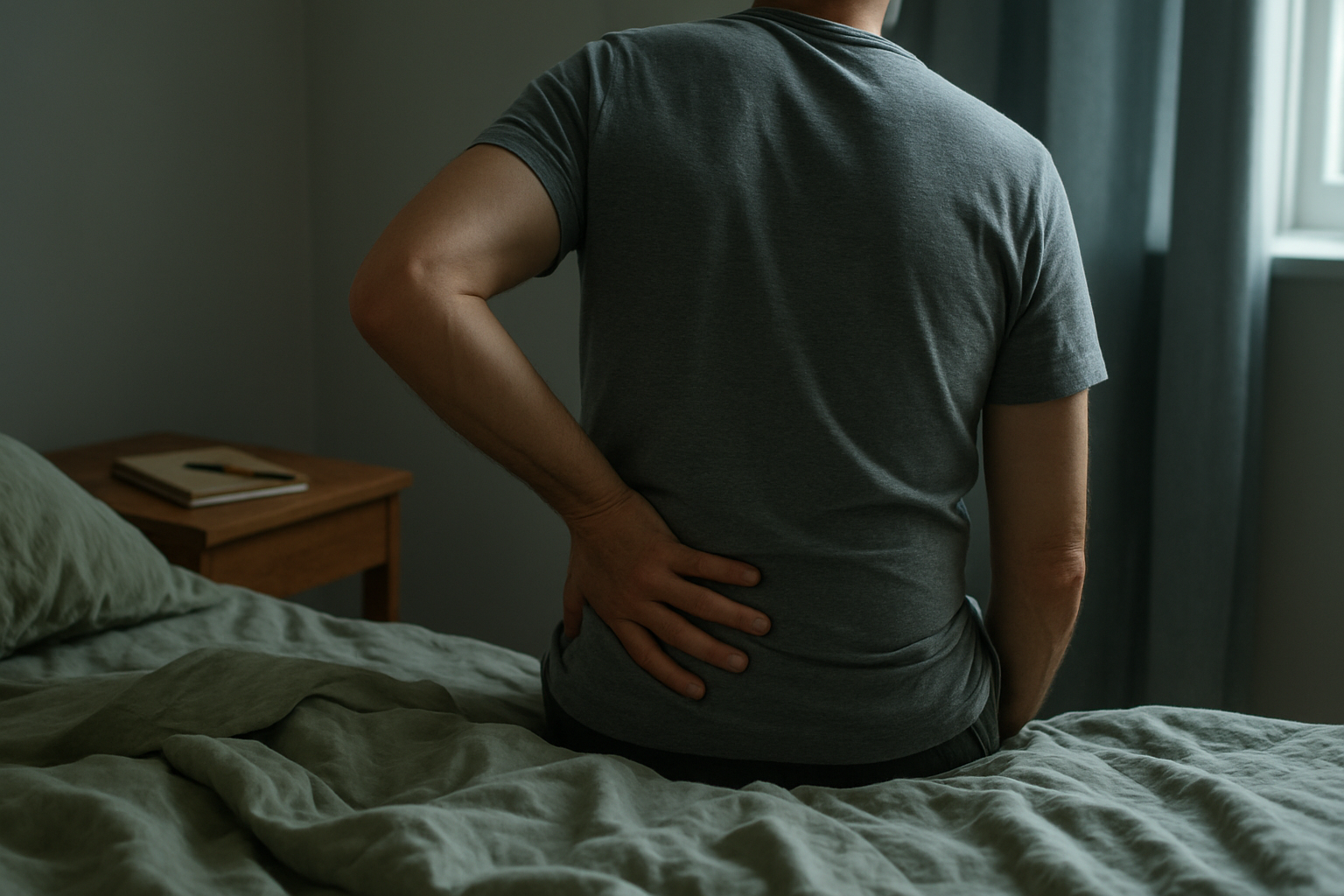
Back pain relief starts with sorting your symptoms. If you have red flags such as loss of bladder or bowel control, numbness in the groin or inner thighs, or leg weakness that is getting worse, call 911 or go to the ER first. Otherwise, at home: stay gently active, use heat for short periods, change position often and start a symptom log. Book an in-person exam if the pain does not ease, gets worse with sitting or driving, travels into your leg, or started after a car accident. Only an in-person exam can tell where the pain comes from.
Many people use the word “sciatica” for pain, tingling or numbness that travels from the lower back or buttock down the leg. The label describes where you feel symptoms, but it does not tell you the cause. After a crash, these symptoms may come from a lower back injury, such as a disc injury or another nerve problem, but leg symptoms can also have other sources.
This guide from ProCare Chiropractic Center is for adults in Oregon. It is general information, not a diagnosis or medical advice for your situation, and it does not promise treatment results.
When to Call 911 or Go to the ER Instead of Waiting
If you think you have a medical emergency, call 911 or go to an emergency room. Do not wait for a chiropractic appointment if you have any of these:
- Loss of bladder or bowel control, or new trouble passing urine
- Numbness in the groin, genitals, buttocks or inner thighs
- Weakness in a leg or foot that is getting worse, or numbness or weakness in both legs
- Severe neck or back pain with numbness, tingling or weakness in the arms or legs
- Sudden weakness or numbness in an arm or on one side of the body
- A blow to the head, loss of consciousness, confusion, repeated vomiting or a headache that keeps getting worse
- Trouble breathing, chest pain or abdominal pain
- A limb you cannot move or put weight on, a bone that looks out of place, or heavy bleeding
This list is not complete. If a symptom worries you and you think it may be an emergency, do not wait to find out at a chiropractic visit. Chiropractic care at ProCare is for non-emergency problems and does not replace an emergency evaluation.
Going to the ER first does not rule out chiropractic care later. Bring your ER notes and any X-rays or MRIs to your first visit. Doctor or chiropractor after a car accident explains who to see first.
What You Can Do at Home Right Now: Keep a Symptom Log
ProCare suggests keeping a short symptom log. It makes your consultation more useful, and updating it between visits shows how your symptoms change. Copy this onto paper or into a notes app and fill it in today.
| What to note | What to write down |
|---|---|
| Start | When the pain, stiffness, tingling or numbness started, and how that compares with any accident date |
| Location | Exactly where it hurts, which side, and how far down the leg it goes: buttock, thigh, knee, calf or foot |
| Better or worse | Which positions and activities change it: sitting, driving, bending, lifting, walking, lying down |
| Daily impact | How it affects work, daily tasks such as getting dressed, and sleep |
| History | Any earlier back, hip or leg problems, including diagnosed scoliosis |
Keep adding to the log between visits, and store it with any bills and treatment notes.
What Helps Lower Back Pain at Home
For non-emergency lower back pain, these general steps help many people while they wait for an exam. Stop anything that sends pain, tingling or numbness further down the leg, and ask the clinician who examines you what fits your case.
- Stay gently active. Short, easy walks and normal daily tasks, as far as pain allows, are generally better for back pain than long bed rest.
- Use heat for short periods. A heating pad or warm shower can ease muscle tightness. Some people prefer a cold pack in the first day or two. Keep a cloth between the pack and your skin, use it for about 15 to 20 minutes at a time, and never fall asleep on a heating pad.
- Change position often. Break up long stretches of sitting or driving, and get up and move every 30 to 60 minutes if you can.
- Go easy on lifting and twisting. Avoid heavy lifting and the movements that clearly set off your pain until you have been examined.
- Use over-the-counter pain relievers only as the label directs. Check with a pharmacist or doctor first if you take other medicines, are pregnant or have stomach, kidney, liver or heart problems.
- Set up your sleep. Many people sleep better on their side with a pillow between the knees, or on their back with a pillow under the knees. See how to sleep with a pinched nerve in your lower back.
Home care is for comfort while you arrange an exam. It does not find the cause of the pain, so book a visit if the pain does not ease or any of the signs below apply.
When to See a Chiropractor for Lower Back Pain
Book an exam when lower back pain is not an emergency but has not eased, or when any of the signs below apply. For non-emergency pain you can book a chiropractic exam directly; you do not need a doctor’s note, X-ray or MRI first. If your pain started after a crash, see ProCare’s page on lower back pain care after a car accident.
Signs worth getting checked
- Back pain that does not ease
- Pain that gets worse with sitting or driving
- Leaning to one side, or one shoulder or hip looking higher than the other
- Pain, tingling or numbness that travels into the buttock, leg or foot
- Any back symptoms after a car accident, even if they started days later
After an accident, ProCare advises getting examined as soon as possible. An early exam also creates a clear record of your injuries from the start.
Leaning to one side after an injury
Muscle spasm and pain after an injury can make you lean or hold your body to one side. That can look like a curve in the spine, but it is a temporary, functional change rather than structural scoliosis, and it usually eases as the injury heals. Only an exam, plus imaging if the findings call for it, can tell the two apart. ProCare’s guide Can a Car Accident Cause Scoliosis? explains more.
Is It Your Back? Pain That Travels Down the Leg
Where you feel a nerve symptom is not always where it starts. Pain, tingling or numbness can travel from the lower back or buttock down the leg, as far as the knee or foot.
Leg symptoms can also have other causes, and a description of symptoms cannot sort that out on its own. That is why the exam checks your spine and nerves, not only the spot that hurts. If knee or leg symptoms come with lower back pain, tell your chiropractor.
For more detail, see ProCare’s guides on sciatica after a car accident and knee pain after a car accident.
Your First Visit at ProCare and When an X-Ray or MRI Comes In
The first visit is an assessment and a starting plan. It takes longer than a regular appointment, and staff tell you how much time to plan for when you book.
The four steps
- Consultation. You talk about how the pain started, where it hurts, what makes it better or worse, and your health history. This is the time to share your symptom log.
- Physical exam. Your chiropractor checks your posture, range of motion, muscles and reflexes, along with your spine, joints and nerves.
- Imaging only if needed. If the findings call for it, you are referred to an outside provider for an X-ray or MRI.
- Your plan. Your chiropractor reviews any results with you, explains the likely cause of the pain and sets out next steps. The plan depends on what the exam and any imaging show and can include adjustments, rehab and massage.
No particular result or recovery timeline is guaranteed. Two things are in your control: attending appointments consistently and keeping your symptom log up to date. ProCare records your symptoms, findings and progress at each visit, so changes are documented over time.
Questions to ask about an imaging referral
Imaging is not automatic. ProCare does not do X-rays or MRIs in-house; it refers you to an outside provider when exam findings point to a possible fracture, disc injury or nerve problem. Which test you get depends on your exam. If you get a referral, ask:
- Which test is being ordered, and what is it meant to check?
- Do I need a nerve test or a referral to a medical doctor or specialist?
- Does my insurer need to approve an MRI in advance?
Back Pain After a Car Accident: Oregon PIP and How to Book
How Oregon PIP can pay
Oregon Personal Injury Protection (PIP) is no-fault coverage in your own auto policy, required by law. It pays reasonable and necessary medical expenses, including chiropractic care and the first visit, regardless of who caused the crash.
- Limits: at least $15,000 per person; some policies carry higher limits.
- Time limit: benefits are usually available for up to two years from the accident date.
- Imaging: X-rays and MRIs are among the care PIP typically covers, but policies differ.
Check your own policy to confirm your limits and time frame. ProCare staff check your coverage before treatment and help with the PIP claim.
Attorneys and letters of protection
You do not need a lawyer to start care. A letter of protection (LOP) is an agreement, usually arranged through your attorney, under which the clinic is paid from your settlement. ProCare accepts LOP cases; LOP terms vary and are a matter for your attorney. This is not legal advice.
How to book
ProCare has four clinics in Oregon: Portland, Keizer, Sherwood and Hillsboro. All are open Monday to Friday, 9:00 AM to 6:00 PM. Walk-ins are not available, so book ahead:
- Open the online booking form and enter your name and phone number.
- Select your injury type; choose “Car accident” if your pain started after a crash.
- Choose your clinic.
- The clinic calls you back to confirm a time.
If your pain did not start after a crash, or you would like to talk to the team before booking a non-emergency visit, call (503) 206-6078.
What to bring
- Photo ID and your insurance card
- Your claim number, if you have one, and details of the accident
- A list of your medicines and past injuries
- Your symptom log
- Earlier X-rays, MRIs or doctor notes, and any ER notes
Frequently asked questions
Can lower back pain start days after a car accident?
Yes. Some crash injuries, such as whiplash, may not hurt right away, and some symptoms are noticed only after other pain settles. Write down the date your back or leg symptoms began and get examined as soon as possible.
Should I mention old back problems or scoliosis at my visit?
Yes. Health history is a standard part of the consultation. Bring earlier X-rays, MRIs and doctor notes so your current exam can be compared with your history.
What happens if my Oregon PIP limits run out?
Once your PIP limits are exhausted, you may be able to pursue additional compensation through a personal injury claim against the at-fault driver. Discuss your options with an attorney.