
Massage Therapy for Lower Back Pain: What Helps and What to Expect
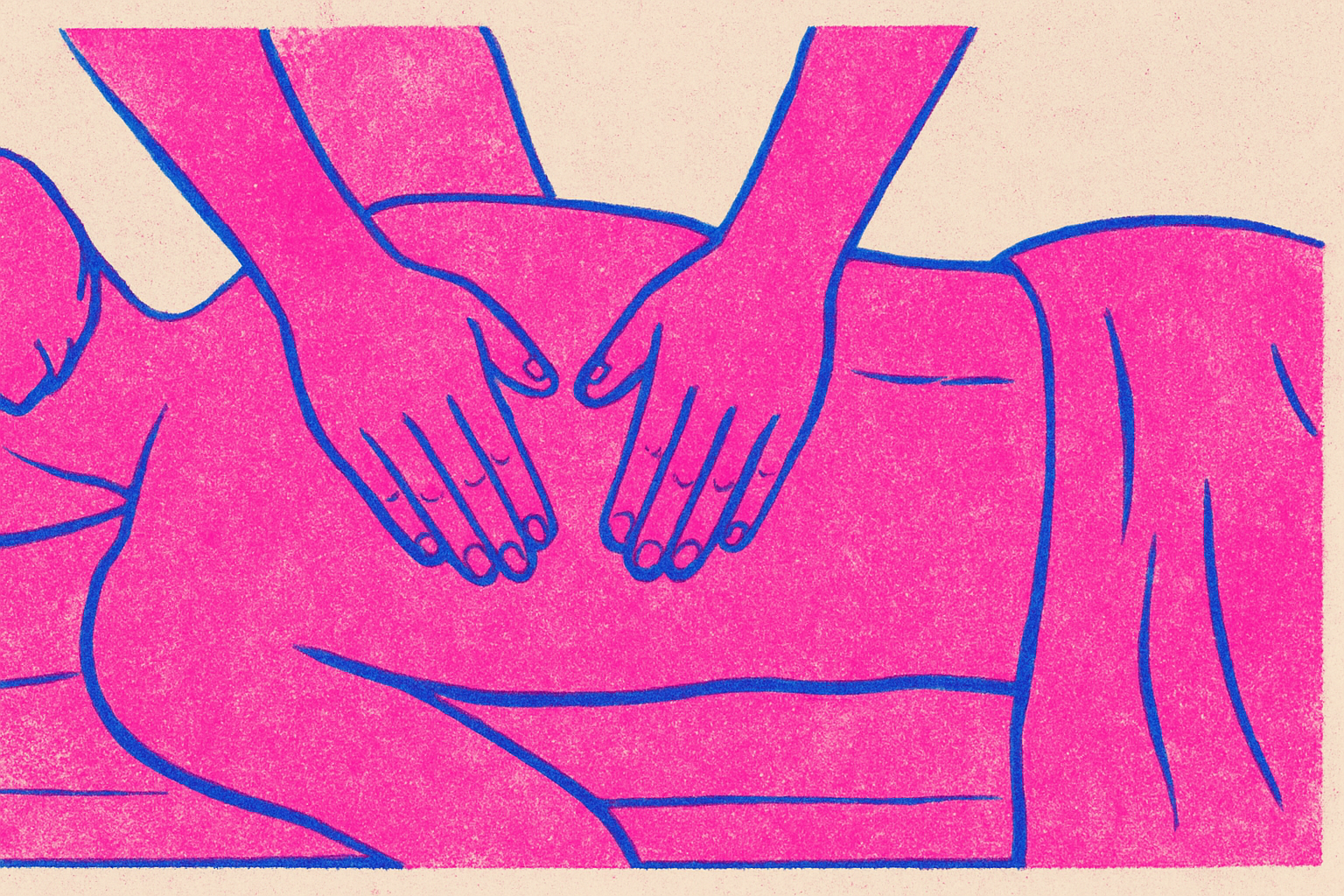
Massage can be one part of care for non-emergency lower back pain. It is not a first step on its own, and it does not diagnose anything. At ProCare Chiropractic Center, your plan is set after an in-person exam. Depending on what the exam and any imaging show, it can include adjustments, rehab and massage. Only that exam can tell where the pain comes from. Heat can ease muscle tightness, but home care and soft-tissue work do not find the cause. Pain that started after a crash or a lift at work may be a muscle strain or a sprain, or something that needs a closer look. No particular result or recovery timeline is guaranteed.
This guide is general information for adults in Oregon, not a diagnosis or medical advice for your situation. For many adults with non-emergency lower back pain, massage can ease muscle tension and stiffness and make it easier to move, especially when it is combined with staying active and exercise. The relief is often short term, and massage does not fix a disc or nerve problem on its own. This guide covers emergency warning signs, home care while you wait for an exam and how massage enters a ProCare plan. It also includes a symptom log to share with your chiropractor and explains how Oregon PIP can pay after a crash.
When to Skip Massage and Call 911 or Go to the ER
If you think you have a medical emergency, call 911 or go to an emergency room. Do not book a massage or wait for a chiropractic appointment if you have any of these:
- Loss of bladder or bowel control, or new trouble passing urine
- Numbness in the groin, genitals, buttocks or inner thighs
- Weakness in a leg or foot that is getting worse, or numbness or weakness in both legs
- Severe back or neck pain with numbness, tingling or weakness in the arms or legs
- Sudden weakness or numbness in an arm or on one side of the body
- A blow to the head, loss of consciousness, confusion, repeated vomiting or a headache that keeps getting worse
- Trouble breathing, chest pain or abdominal pain
- A limb you cannot move or put weight on, a bone that looks out of place, or heavy bleeding
This list is not complete. If a symptom worries you and you think it may be an emergency, do not wait to find out at a chiropractic visit. Chiropractic care at ProCare is for non-emergency problems and does not replace an emergency evaluation. Going to the ER first does not rule out chiropractic care later. Bring your ER notes and any X-rays or MRIs to your first visit.
Why an Exam Comes First: ‘Sciatica’ Describes Symptoms, Not a Cause
“Sciatica” and “pinched nerve” describe symptoms, not a cause. People use them for pain, tingling or numbness that travels from the lower back or buttock down the leg. Those symptoms may come from a disc injury, another nerve problem in the lower back or other sources entirely. A description of symptoms cannot tell these apart.
Where you feel a symptom is not always where it starts. Pain at the hip or knee can come from the lower back, and there is no simple rule for telling hip pain from back pain at home. That is why the exam checks your spine and nerves, not just the spot that hurts. For more, see ProCare’s guides on how to sleep with a pinched nerve in your lower back and hip pain after a car accident.
What Helps at Home While You Wait for an Exam
These steps are for comfort while you arrange an exam. They do not replace one.
- Stay gently active. Short, easy walks and normal daily tasks, as far as pain allows.
- Use heat for short periods. A heating pad or warm shower can ease muscle tightness. Some people prefer a cold pack in the first day or two. Keep a cloth between the pack and your skin, use it in short sessions, and never fall asleep on a heating pad.
- Change position often. When sitting or driving, get up and move regularly if you can.
- Go easy on lifting and twisting. Avoid heavy lifting and the movements that clearly set off your pain until you have been examined.
- Use over-the-counter pain relievers only as the label directs. Check with a pharmacist or doctor first if you take other medicines, are pregnant or have stomach, kidney, liver or heart problems.
- Set up your sleep. Try lying on your side with a pillow between your knees, or on your back with a pillow under your knees.
Stop anything that sends pain, tingling or numbness further down the leg. Ask the clinician who examines you what fits your case. ProCare’s lower back pain relief guide covers home care in more detail.
Signs It’s Time to Book an Exam
- Back pain that does not ease
- Pain that gets worse with sitting or driving
- Leaning to one side, or one shoulder or hip looking higher than the other
- Pain, tingling or numbness that travels into the buttock, leg or foot
- Any back symptoms after a car accident, even if they began days later
Leaning to One Side After an Injury
Muscle spasm and pain after an injury can make you lean or hold your body to one side. That can look like a curve in the spine. Often it is a temporary, functional change rather than structural scoliosis, and it usually eases as the injury heals. Only an exam, plus imaging if the findings call for it, can tell the two apart.
Where Massage Fits: Your First Visit at ProCare
The first visit is an assessment and a starting plan. It takes longer than a regular appointment, and staff tell you how much time to plan for when you book.
The Four Steps
- Consultation. You talk about how the pain started, where it hurts, what makes it better or worse, and your health history. Share your symptom log here.
- Physical exam. Your chiropractor checks your posture, range of motion, muscles and reflexes, along with your spine, joints and nerves.
- Imaging only if needed. Imaging is not automatic, and ProCare does not do X-rays or MRIs in-house. If the findings point to a possible fracture, disc injury or nerve problem, you are referred to an outside provider.
- Your plan. Your chiropractor reviews any results with you, explains the likely cause of the pain and sets out next steps. The plan depends on what the exam and any imaging show. It can include adjustments, rehab exercises and massage. ProCare’s Rehabilitation & Physical Therapy page describes the rehab side of care.
Two things are in your control: attending appointments consistently and keeping your symptom log up to date. ProCare records your symptoms, findings and progress at each visit, so changes are documented over time.
What a Massage Session Usually Involves
Therapeutic massage works on the muscles and soft tissue around the lower back, hips and buttocks. Pressure is adjusted to what you can tolerate, and it should not cause sharp pain. Tell the therapist right away if pain, tingling or numbness spreads down your leg during a session. Mild soreness afterward is common and usually fades quickly. At ProCare, therapeutic massage is offered as an insurance-based service within your care plan. Ask the clinic team how sessions are scheduled for your case.
When Massage Is Not a Good Idea Yet
Hold off on massage and get checked first if you may have a fracture, if a calf is swollen, warm, red or painful (possible blood clot), if you have a fever or a skin infection or open wound over the area, or if you recently had surgery. These need a medical assessment before any hands-on treatment.
Track Whether Your Plan Is Helping: A Symptom Log
Copy this log onto paper or into a notes app. Update it between visits so you and your chiropractor can see how your symptoms change.
| What to note | What to write down |
|---|---|
| Start | When the pain, stiffness, tingling or numbness started, and the accident date if there was one |
| Location | Exactly where it hurts, which side, and how far down the leg it goes: buttock, thigh, knee, calf or foot |
| Better or worse | Positions and activities that change it: sitting, driving, bending, lifting, walking, lying down |
| Severity | Mild, moderate, severe, or a number you use the same way every time |
| Daily impact | Effect on work, daily tasks such as getting dressed, and sleep |
| History | Earlier back, hip or leg problems, including diagnosed scoliosis |
If pain affects your sleep, add one row per night. Use these columns: date, position or pillow setup tried, symptom and location, how bad it was, what eased or worsened it, and effect on sleep. For effect on sleep, note time to fall asleep, times you woke and how you felt in the morning. Use the same rating words or numbers every time so changes are easy to spot. If your plan includes massage, note any changes you notice afterward and bring them up at your next visit.
Keep the log with your bills and treatment notes. It is a personal record to share with your chiropractor. Do not use it to diagnose yourself or to judge treatment on your own.
Questions to Ask Your Chiropractor
- Why is massage included in my plan, and how does it fit with adjustments or rehab?
- What changes in my symptoms should I report after a massage session?
- Which sleeping positions suit my findings, and which should I avoid?
- Would pillow support help in my case, and where should it go?
- Is there a safer way for me to get in and out of bed? ProCare’s pinched-nerve guide describes a log roll.
- If imaging is ordered, which test is it, and what is it meant to check?
- Do I need a nerve test or a referral to a medical doctor or specialist?
- Does my insurer need to approve an MRI in advance?
Back Pain After a Car Accident: Oregon PIP and Letters of Protection
Oregon Personal Injury Protection (PIP) is no-fault coverage in your own auto policy, required by law. It pays reasonable and necessary medical expenses, including chiropractic care and the first visit, regardless of who caused the crash.
- Coverage is at least $15,000 per person. Some policies carry higher limits.
- Benefits are usually available for up to two years from the accident date.
- Policies differ, so check your own limits and time frame.
ProCare offers therapeutic massage as an insurance-based service, including for auto insurance and Oregon PIP cases. Staff check your coverage before treatment, so ask how your policy handles massage. Staff also help with the PIP claim. For more detail, see Oregon PIP insurance explained.
You do not need a lawyer to start care. A letter of protection (LOP) is an agreement, usually arranged through your attorney, under which the clinic is paid from your settlement. ProCare accepts LOP cases; see how a letter of protection works in Oregon. LOP terms vary and are a matter for your attorney. Records help an insurer or attorney understand your injuries and care, but they do not guarantee claim approval. This is not legal advice.
After a crash, ProCare advises getting examined as soon as possible, because pain can be delayed. An early exam also creates a clear record of your injuries from the start.
How to Book and What to Bring
ProCare has four clinics in Oregon: Portland, Keizer, Sherwood and Hillsboro. All are open Monday to Friday, 9:00 AM to 6:00 PM. Walk-ins are not available, so book ahead. Use the online booking form: enter your name and phone number, select your injury type (choose “Car accident” if your pain started after a crash) and choose your clinic. The clinic calls you back to confirm a time. To talk to the team before booking a non-emergency visit, call (503) 206-6078.
Bring:
- Photo ID and your insurance card
- Your claim number, if you have one
- Details of the accident, if there was one
- A list of your medicines and past injuries
- Your symptom log
- Any ER notes, earlier X-rays, MRIs or doctor notes
Frequently asked questions
Do I need a referral, X-ray or MRI before my first visit?
No. For non-emergency pain you can book a chiropractic exam at ProCare directly. You do not need a doctor’s note, X-ray or MRI first. If imaging is needed, the exam decides that.
Can I book a massage on its own, without a chiropractic exam?
At ProCare, massage is offered as part of an insurance-based care plan, and the first step is an exam. Ask the clinic team how massage sessions are scheduled for your case.
Should I rest in bed until my back pain settles?
No. Staying gently active, as your provider advises, is generally better for back pain than long bed rest. Resting at night is the aim; spending the whole day lying down is not. Ask your chiropractor how active to be in your case.
Can lower back pain start days after a car accident?
Yes. Some crash injuries, such as whiplash, may not hurt right away, so back or leg symptoms can appear days later. Write down the date they started and get examined early.
What if my back pain started after a work injury?
ProCare lists workers’ comp among the insurance it accepts. This guide does not cover workers’ comp rules, so ask the clinic about your coverage.


