Feel the Difference: Exploring the Benefits of Neuromuscular Massage Therapy in Sherwood, Oregon
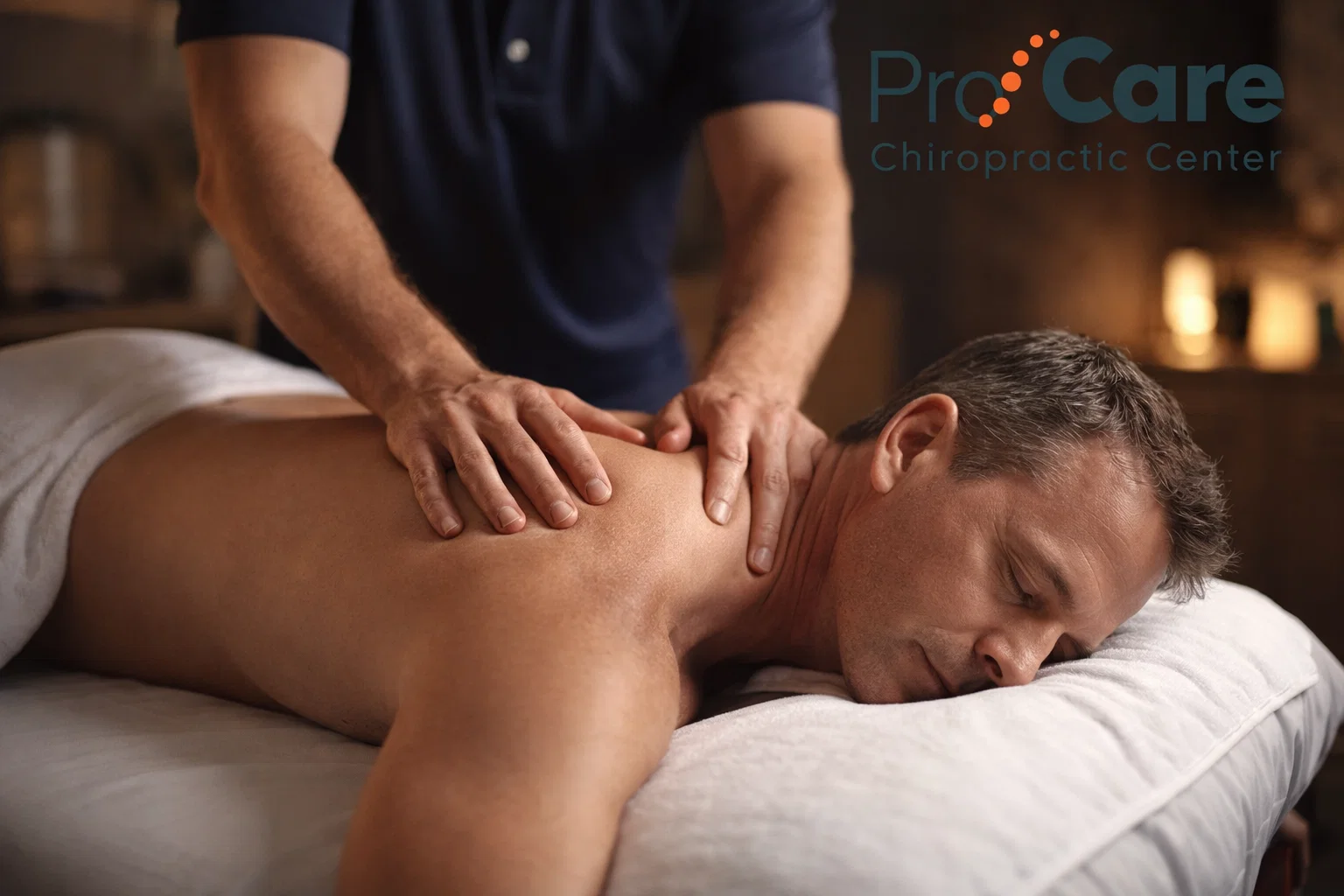
Neuromuscular Massage Therapy (NMT) is a clinical, results-driven form of soft tissue treatment designed to relieve pain at its source. Rather than providing temporary relaxation, NMT focuses on correcting muscular trigger points, nerve irritation, postural imbalance, and dysfunctional movement patterns that contribute to recurring pain.
In Sherwood and throughout Washington County, many patients struggle with chronic neck pain, lower back pain, tension headaches, shoulder tightness, repetitive stress injuries, and auto accident–related soft tissue trauma. Rest, stretching, or general massage often provides only short-term improvement. Neuromuscular massage therapy addresses the underlying neuromuscular dysfunction driving these symptoms.
At ProCare Chiropractic – Sherwood, neuromuscular massage is integrated into comprehensive chiropractic care plans to improve spinal alignment, restore mobility, and accelerate injury recovery.
Targeted Pain Relief: How Neuromuscular Massage Therapy Works
Unlike relaxation massage, neuromuscular massage therapy focuses on specific hyperirritable areas within muscle and fascia known as trigger points. These trigger points can produce:
- Localized muscle tenderness
- Referred pain patterns
- Restricted joint movement
- Nerve sensitivity
- Compensatory muscular guarding
For example:
- Tension headaches may originate from trigger points in the upper trapezius or suboccipital muscles.
- Sciatica-like symptoms may be influenced by tight gluteal or hip rotator muscles.
- Shoulder or forearm pain may stem from dysfunctional movement patterns higher along the kinetic chain.
NMT sessions typically last 60–90 minutes and begin with a functional assessment, including posture evaluation, range of motion testing, tissue palpation, and movement analysis. Sustained, precise pressure is applied to encourage tissue release, improve circulation, and reduce neuromuscular guarding.
The goal is therapeutic precision—not excessive force—to interrupt the cycle of muscle tightness, inflammation, nerve irritation, and restricted mobility.
The Five Core Contributors Neuromuscular Massage Addresses
Neuromuscular massage therapy is effective because it addresses multiple overlapping drivers of musculoskeletal pain:
1. Trigger Points
Tight bands of muscle that generate local and referred pain.
2. Ischemia (Reduced Blood Flow)
Chronic muscular contraction limits oxygen delivery and increases tissue sensitivity.
3. Nerve Irritation
Tight surrounding tissues may compress or irritate peripheral nerves.
4. Postural Distortion
Desk work, prolonged sitting, repetitive motion, and stress contribute to muscular imbalance.
5. Biomechanical Dysfunction
Altered movement patterns after injury overload certain tissues and reinforce chronic pain cycles.
By addressing these contributors simultaneously, neuromuscular massage therapy often succeeds when generalized massage approaches do not.
Neuromuscular Massage vs. Deep Tissue Massage
Although neuromuscular massage and deep tissue massage may feel similar in intensity, their purpose differs significantly.
Deep tissue massage typically focuses on generalized muscular tightness across broader regions.
Neuromuscular massage therapy is:
- Highly specific
- Pattern-based
- Clinically structured
- Guided by pain referral patterns and functional assessment
While deep tissue massage may reduce overall tension, neuromuscular massage therapy is designed to resolve persistent pain conditions that repeatedly return.
Conditions That Often Respond Well to NMT in Sherwood
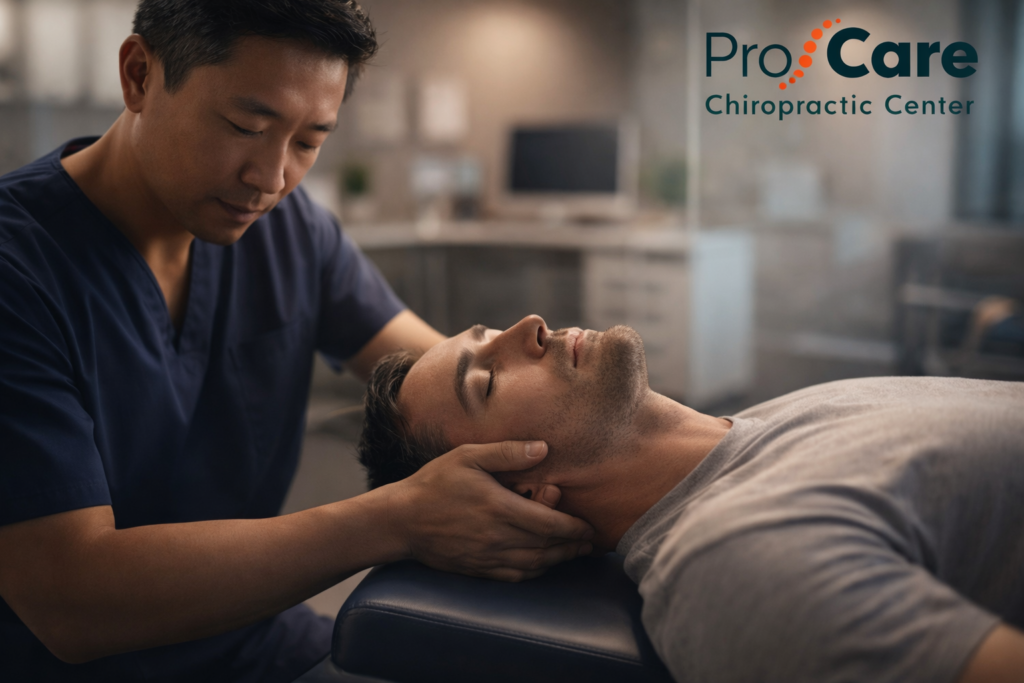
Neuromuscular massage therapy is commonly used in clinical settings for:
- Chronic neck pain and upper back tension
- Low back pain and lumbar strain
- Stress-related muscular tightness
- Headaches linked to cervical muscle dysfunction
- Shoulder pain and rotator cuff overload
- Repetitive stress injuries affecting wrist and elbow
- Hip tightness contributing to radiating leg symptoms
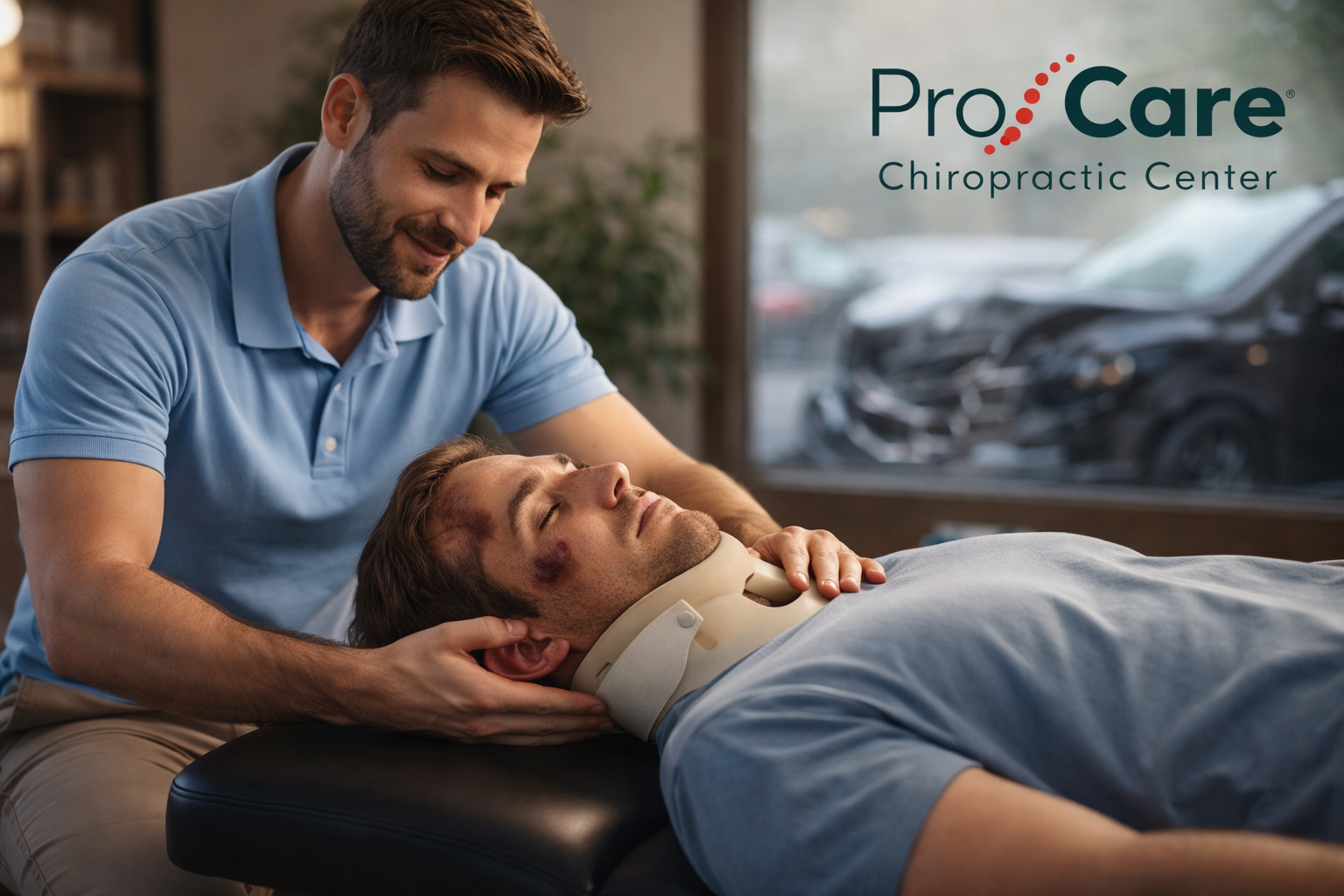
- Auto accident injuries, including whiplash
- Soft tissue injuries associated with personal injury cases
- Postural strain from prolonged computer work
For patients recovering from car accidents in Sherwood, neuromuscular massage therapy plays an important role in reducing inflammation, improving circulation, and restoring normal muscle mechanics after whiplash or spinal misalignment.
What to Expect During a Neuromuscular Massage Session
Treatment begins with a detailed intake and movement assessment. The provider evaluates:
- Pain patterns
- Range of motion limitations
- Tissue texture and sensitivity
- Postural alignment
- Functional movement deficits
Targeted techniques may include:
- Sustained digital pressure
- Layered compression
- Cross-fiber friction
- Muscle energy techniques
- Positional release strategies
- Myofascial stripping
Mild soreness may occur for 24–36 hours, similar to post-exercise discomfort. Hydration and gentle mobility exercises typically support recovery.
For chronic pain conditions, a structured series of sessions combined with chiropractic adjustments and corrective exercises often provides the most sustainable results.
Integrating Neuromuscular Massage with Chiropractic Care
Soft tissue restriction frequently limits spinal mobility and reinforces joint dysfunction. When muscles remain tight, spinal adjustments may not hold effectively.
At ProCare Chiropractic – Sherwood, neuromuscular massage therapy is often combined with:
- Chiropractic spinal adjustments
- Corrective exercises
- Postural rehabilitation
- Auto accident injury care
- PIP insurance documentation support
This integrated approach improves spinal alignment, enhances joint mechanics, reduces inflammation, and supports long-term musculoskeletal stability.
Safety and Considerations
Neuromuscular massage therapy is generally safe when performed by trained professionals. However, modifications or medical clearance may be required for individuals with:
- Acute infection or fever
- Untreated blood-clotting disorders
- Severe osteoporosis
- Recent surgical procedures
- Use of blood-thinning medications
A comprehensive health history ensures safe and appropriate care.
Neuromuscular Massage Therapy in Sherwood, Oregon
Persistent neck pain, back pain, headaches, and soft tissue injuries rarely resolve fully when underlying neuromuscular dysfunction remains unaddressed. Neuromuscular massage therapy offers a structured, evidence-informed solution focused on correcting trigger points, restoring circulation, improving nerve function, and supporting proper movement mechanics.
When combined with chiropractic care, it becomes a powerful non-surgical strategy for chronic pain relief, auto accident recovery, spinal alignment correction, and long-term wellness in Sherwood and Washington County.
Schedule Your Appointment in Sherwood Today
If you are experiencing chronic muscle tension, back pain, neck stiffness, or lingering soft tissue pain after an injury, early intervention can make a significant difference.
Contact ProCare Chiropractic – Sherwood to schedule your consultation and experience the benefits of neuromuscular massage therapy combined with expert chiropractic care. Restore mobility, reduce chronic pain, and support long-term spinal health with a personalized treatment plan.
ProCare Chiropractic – Sherwood
Address: 16771 SW 12th St Ste E, Sherwood, OR 97140Book: Online BookingPhone: (971) 396-3013