Hidden Dangers of Untreated Soft-Tissue Injuries After a Car Accident in Hillsboro, Oregon
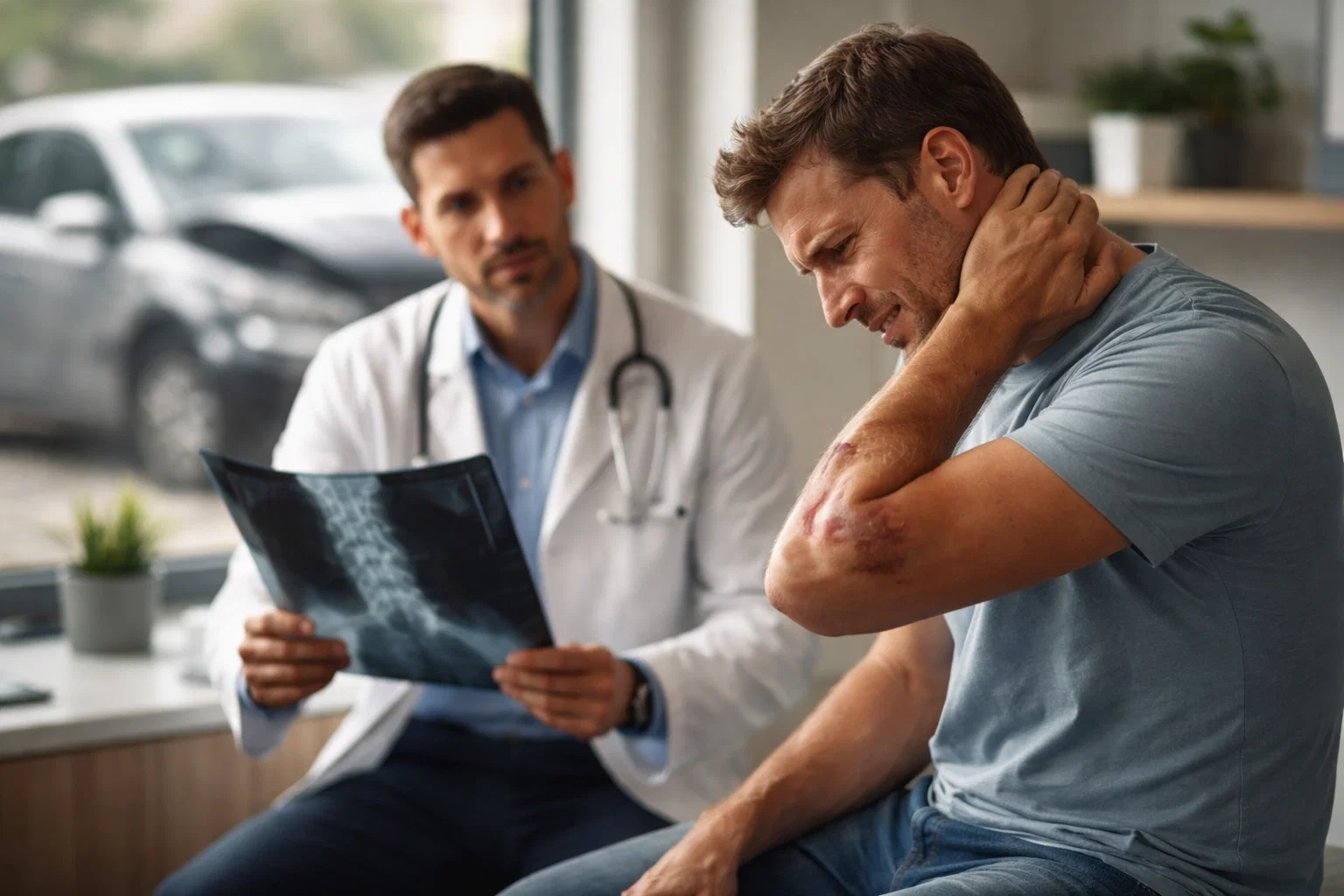
After a car accident, most people check their vehicle first. If there’s no broken bone or visible bleeding, it’s easy to assume everything is “fine.”
Unfortunately, this is one of the most dangerous assumptions you can make.
Soft-tissue injuries are among the most common auto accident injuries in Hillsboro, Oregon — and also the most frequently ignored. Muscles, ligaments, tendons, fascia, and nerves can all be damaged during a collision, even at speeds as low as 10–15 mph.
When left untreated, these injuries can quietly develop into:
- Chronic neck and back pain
- Long-term mobility loss
- Nerve damage
- Postural dysfunction
- Degenerative spinal changes
At ProCare Chiropractic – Hillsboro, we regularly treat patients who felt “okay” after a crash — only to experience worsening symptoms weeks later.
Understanding the risks of untreated soft-tissue injuries could protect your long-term health.
What Are Soft-Tissue Injuries After a Car Accident?
Soft-tissue injuries affect structures that support and stabilize your body:
- Muscles
- Ligaments
- Tendons
- Fascia
- Nerves
Unlike fractures, soft-tissue injuries often do not appear on X-rays. However, these tissues are critical for spinal stability and movement.
During a collision, sudden acceleration and deceleration forces exceed what the body experiences in normal daily life. Even minor rear-end accidents can overstretch, tear, or inflame soft tissues throughout the neck, shoulders, and back.
Why Soft-Tissue Injuries Often Go Undiagnosed
One of the biggest dangers is delayed symptom onset.
After an accident:
- Adrenaline masks pain
- Inflammation builds gradually
- Symptoms may not appear for 24–72 hours
Many patients say:
- “I felt fine at first.”
- “The pain started days later.”
- “I thought it would go away.”
Without treatment, inflammation leads to scar tissue formation, restricted movement, and nerve irritation.
Common Types of Soft-Tissue Injuries From Car Accidents
Whiplash-Associated Disorders
Whiplash is extremely common in rear-end collisions.
When the head snaps forward and backward rapidly, it damages neck muscles and ligaments.
Symptoms include:
- Neck pain and stiffness
- Headaches or migraines
- Shoulder tension
- Dizziness
- Brain fog
Whiplash often develops hours or days after the crash.
Muscle Strains and Tears
Sudden bracing or twisting during impact can overstretch muscles.
Symptoms:
- Persistent soreness
- Weakness
- Muscle spasms
- Pain during movement
Improper healing can create long-term compensation patterns that affect other joints.
Ligament Sprains and Joint Instability
Ligaments stabilize joints. When stretched or torn, joints may become unstable.
Long-term risks:
- Chronic joint pain
- Reduced range of motion
- Increased reinjury risk
- Early arthritis
Nerve Irritation and Entrapment
Inflamed tissue can compress nearby nerves.
Symptoms may include:
- Numbness
- Tingling
- Burning pain
- Radiating arm or leg pain
- Muscle weakness
Untreated nerve compression may result in permanent dysfunction.
The Hidden Risks of Leaving Soft-Tissue Injuries Untreated

1. Chronic Pain Development
Acute inflammation that is ignored can transition into chronic pain. Scar tissue restricts movement and keeps tissues irritated.
2. Loss of Mobility
Untreated injuries often cause long-term stiffness, making daily activities more difficult over time.
3. Postural Compensation Injuries
When injured tissue doesn’t function properly, the body compensates by overusing other muscles and joints.
This leads to:
- Poor posture
- Secondary injuries
- Chronic back or hip pain
4. Accelerated Degeneration
Chronic instability increases the risk of:
- Degenerative disc disease
- Spinal arthritis
- Long-term joint damage
5. Delayed Recovery and Higher Costs
The longer you wait, the more complex treatment becomes. Early intervention is faster and more cost-effective.
Why Chiropractic Care Is Essential After a Car Accident
Chiropractic care focuses on restoring movement, reducing inflammation, and supporting natural healing — without drugs or surgery.
At ProCare Chiropractic – Hillsboro, we specialize in auto accident and soft-tissue injury treatment using evidence-based techniques.
How ProCare Chiropractic – Hillsboro Treats Soft-Tissue Injuries
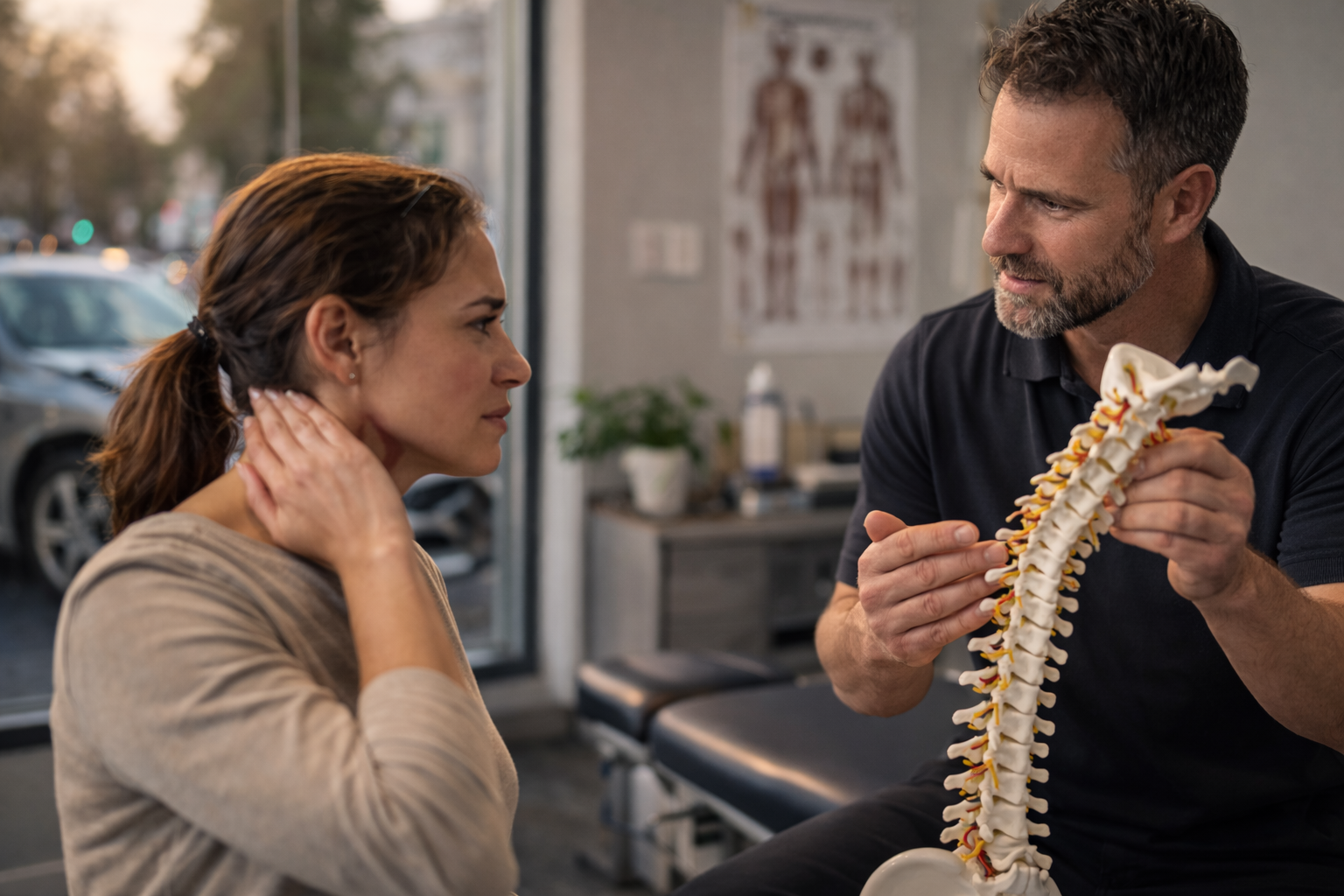
Comprehensive Auto Injury Evaluation
Your care begins with a detailed assessment, including:
- Postural analysis
- Range-of-motion testing
- Neurological evaluation
- Orthopedic testing
This helps detect hidden injuries before they worsen.
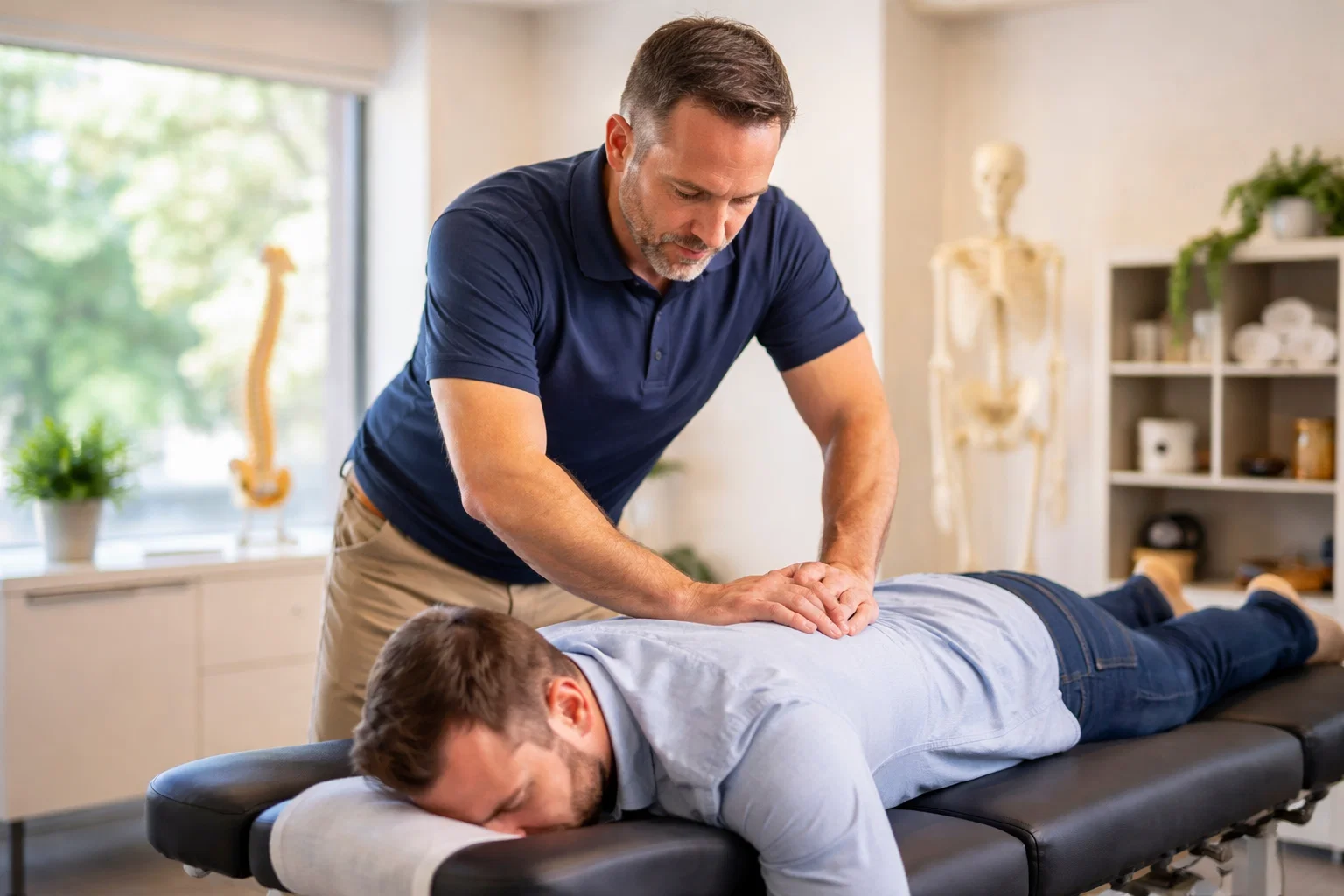
Chiropractic Adjustments
Gentle adjustments restore proper spinal alignment and reduce pressure on soft tissues and nerves.
Soft-Tissue Therapy
Targeted therapy helps:
- Break down scar tissue
- Improve circulation
- Reduce inflammation
- Restore flexibility
Corrective Exercises and Rehabilitation
Customized exercises:
- Stabilize injured areas
- Prevent reinjury
- Improve mobility
- Strengthen supporting muscles
Ongoing Monitoring
Recovery plans evolve as your body heals. No two car accident injuries are identical.
When Should You Seek Chiropractic Care After a Car Accident?
Immediately — even if symptoms are mild.
Seek evaluation if you experience:
- Neck pain
- Back pain
- Stiffness
- Headaches
- Dizziness
- Numbness or tingling
- Reduced mobility
Early care dramatically reduces the risk of chronic complications.
Don’t Ignore “Minor” Car Accident Injuries
Soft-tissue injuries may not be visible — but their consequences can last for years.
What feels like mild soreness today could become chronic pain tomorrow.
Early chiropractic care often makes the difference between full recovery and lifelong discomfort.
Get Expert Auto Accident Care in Hillsboro, Oregon
If you’ve been involved in a car accident in Hillsboro or surrounding areas, protect your health now.
Address: 329 SE 3rd Avenue, Hillsboro, OR 97123Book: Online BookingPhone: (503) 899-0707
Our experienced team specializes in auto accident and soft-tissue injury treatment, helping patients recover safely, naturally, and completely in 2026.
Call today to schedule your comprehensive car accident evaluation and take control of your recovery.