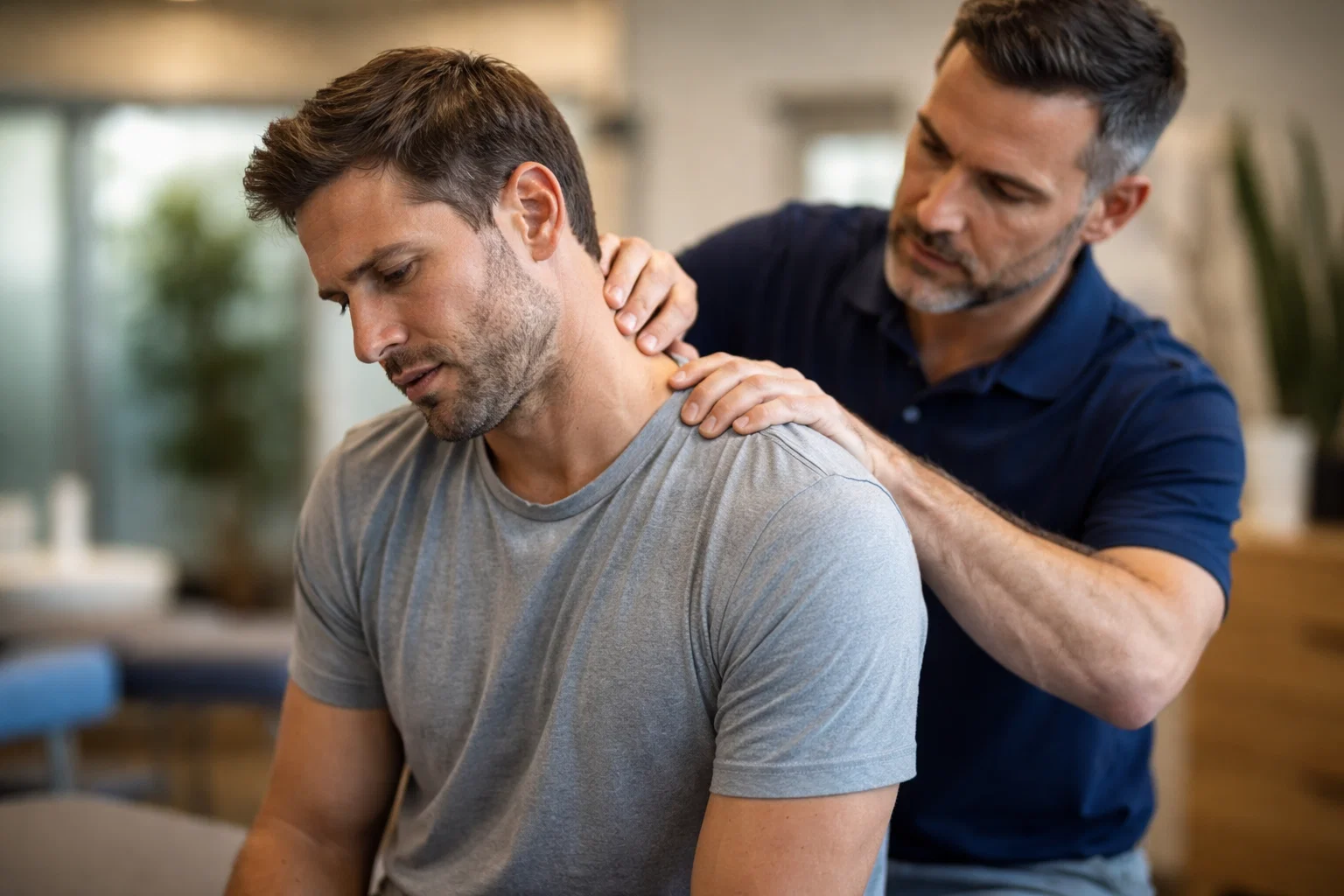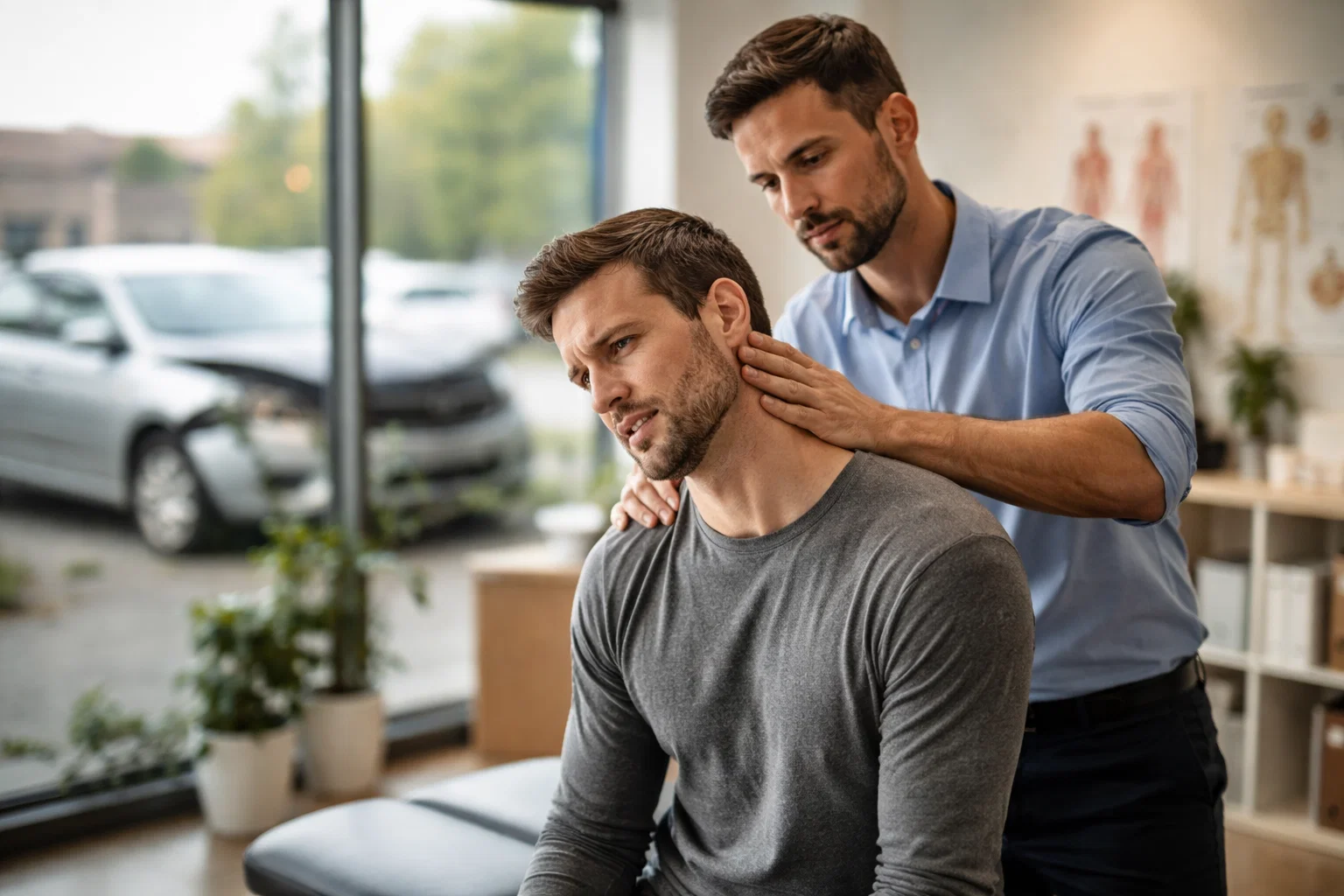
4 Proven Ways to Restore Spinal Alignment After a Car Accident in Keizer, Oregon
A car accident in Keizer, Oregon — whether on River Road N, during daily commuting traffic, or at a local intersection — can disrupt far more than your vehicle. Even low-speed collisions generate enough force to affect your spine, joints, and surrounding soft tissues.
While visible injuries receive immediate attention, spinal misalignment often goes unnoticed until neck pain, lower back pain, headaches, or nerve symptoms begin interfering with daily life.
At ProCare Chiropractic in Keizer, we specialize in treating auto accident injuries, including spinal misalignment, whiplash, soft tissue damage, nerve compression, and post-traumatic headaches. Early evaluation is essential to prevent chronic pain and long-term mobility limitations.
Below are four proven ways to restore spinal alignment and support full recovery after a motor vehicle accident.
1. Schedule a Comprehensive Chiropractic Evaluation Immediately
The first and most critical step in restoring spinal alignment is a detailed post-accident evaluation.
During a collision, your spine may experience:
- Rapid acceleration-deceleration forces
- Rotational twisting
- Lateral impact stress
- Axial compression
These forces can cause vertebrae to shift out of proper alignment, discs to bulge, and ligaments or muscles to overstretch.
Why Early Evaluation Matters
Many accident victims feel “fine” immediately after a crash due to adrenaline. Symptoms often appear hours or days later. Waiting too long may allow:
- Inflammation to increase
- Scar tissue forms improperly
- Joint dysfunction worsens
- Insurance documentation gaps to develop
At ProCare Chiropractic, your evaluation may include:
- Postural analysis
- Cervical and lumbar spine assessment
- Range-of-motion testing
- Neurological screening
- Soft tissue examination
- Imaging referrals when medically necessary
Early diagnosis allows us to create a personalized treatment plan targeting the specific spinal segments affected by your accident.
2. Correct Biomechanics and Restore Spinal Alignment
Restricted mobility is extremely common after a car accident. Many patients in Keizer report:
- Difficulty turning the head
- Stiffness when bending
- Tight shoulders
- Limited lower back movement
- Pain with prolonged sitting or standing
Spinal misalignment disrupts normal biomechanics. When joints lose proper motion, surrounding muscles compensate — increasing strain and inflammation.
How Chiropractic Care Restore Spinal Alignment
Targeted chiropractic adjustments help:
- Realign displaced vertebrae
- Reduce joint fixation
- Decrease nerve pressure
- Restore natural movement patterns
In addition to adjustments, your care plan may include:
- Corrective stretching
- Core stabilization exercises
- Cervical strengthening protocols
- Postural retraining
Restoring biomechanics reduces stress on discs, ligaments, and muscles — accelerating healing and reducing the risk of chronic neck or back pain.
3. Stay Safely Active With Guided Rehabilitation
While short-term rest may be appropriate immediately after a collision, prolonged inactivity can delay recovery.
Extended rest may:
- Increase stiffness
- Reduce circulation
- Promote muscle weakness
- Prolong inflammation
- Encourage scar tissue formation
Movement stimulates blood flow and delivers oxygen to injured tissues.
The Importance of Supervised Activity
Not all exercise is safe after an accident. High-impact workouts or unsupervised activity can worsen spinal injuries.
A chiropractor can guide you on:
- When to resume activity
- Which movements are safe
- How to protect injured areas
- Progressive rehabilitation timelines
Gentle walking, guided mobility exercises, and structured rehabilitation programs often produce faster and safer recovery outcomes than extended rest alone.
Remaining active under professional supervision supports spinal realignment and prevents long-term stiffness.
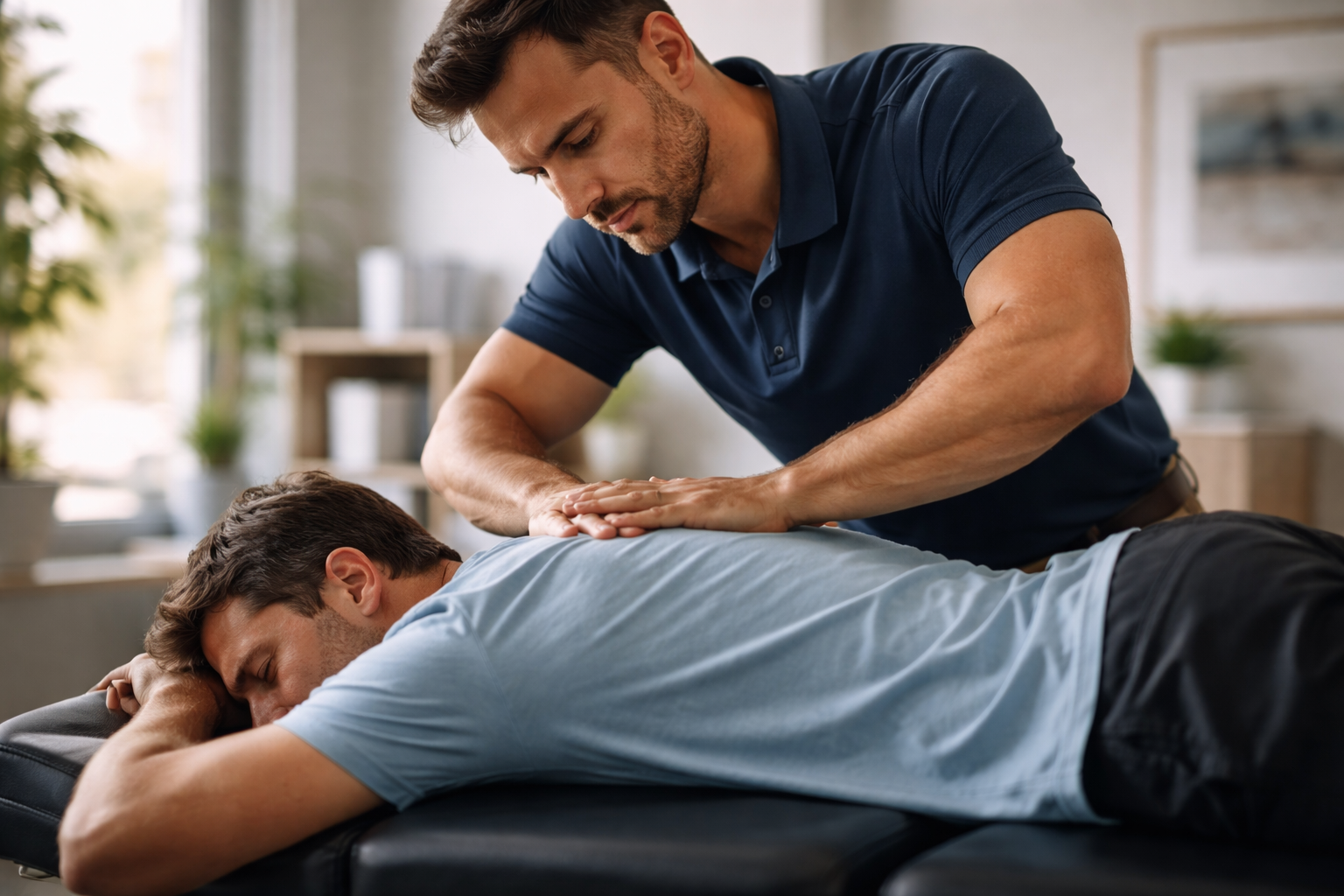
4. Incorporate Soft Tissue Therapy to Reduce Inflammation
Soft tissue therapy is a powerful complement to chiropractic adjustments.
After trauma, muscles tighten protectively around injured areas. This response can:
- Restrict joint motion
- Pull the vertebrae out of alignment
- Increase nerve irritation
- Create chronic tension patterns
Therapeutic techniques such as neuromuscular therapy and targeted soft tissue mobilization help:
- Break down scar tissue
- Improve circulation
- Reduce inflammation
- Relax hypertonic muscles
- Support spinal realignment
When combined with spinal adjustments, soft tissue therapy enhances flexibility and improves long-term structural correction.
Why Restore Spinal Alignment Matters After a Car Accident
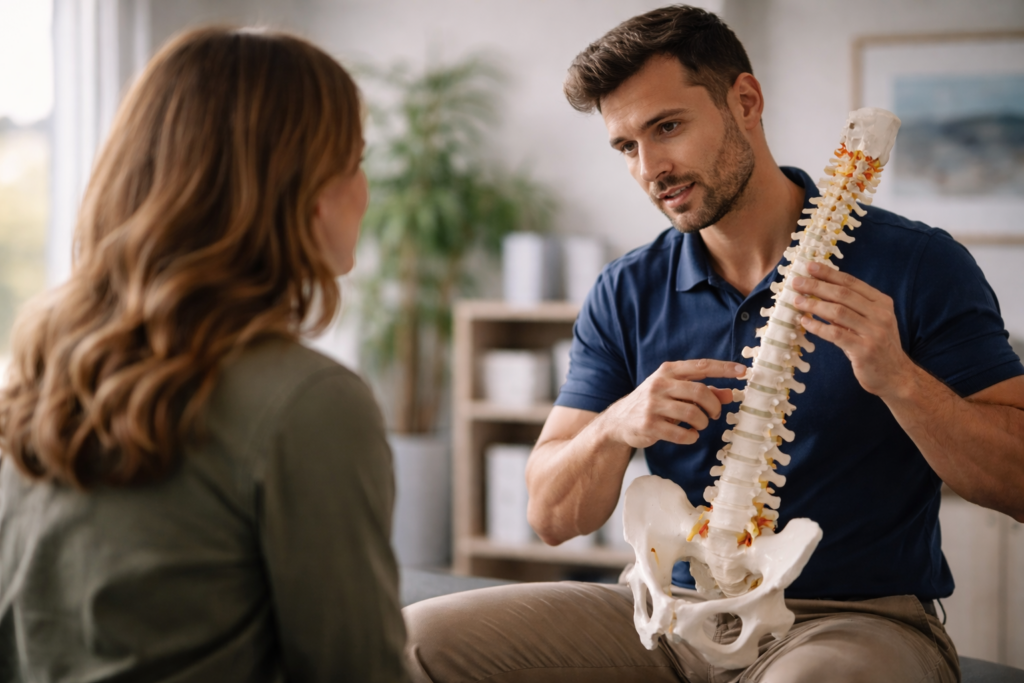
Even minor misalignments can contribute to:
- Chronic neck pain
- Lower back pain
- Persistent headaches
- Radiating nerve symptoms
- Muscle spasms
- Postural dysfunction
- Degenerative disc changes
Left untreated, these issues may worsen — especially for individuals who sit for long periods, commute regularly, or perform physical labor.
Early chiropractic care significantly reduces the risk of chronic complications.
Auto Accident Chiropractic Care in Keizer, Oregon
If you have been injured in a car accident in Keizer, seeking treatment promptly protects both your health and your Personal Injury Protection (PIP) claim.
Under Oregon law, PIP coverage typically pays for medically necessary chiropractic care following a motor vehicle collision.
ProCare Chiropractic
Address: 3785 River Rd N. Keizer, OR 97303Book: Online BookingPhone: (971) 414-3440
If you are experiencing neck pain, back pain, headaches, or nerve symptoms after a crash, schedule your comprehensive evaluation today. Early, structured chiropractic care helps restore spinal alignment, reduce inflammation, and support a full recovery.