
The Most Common Signs Your Spine May Be Misaligned in Keizer, Oregon
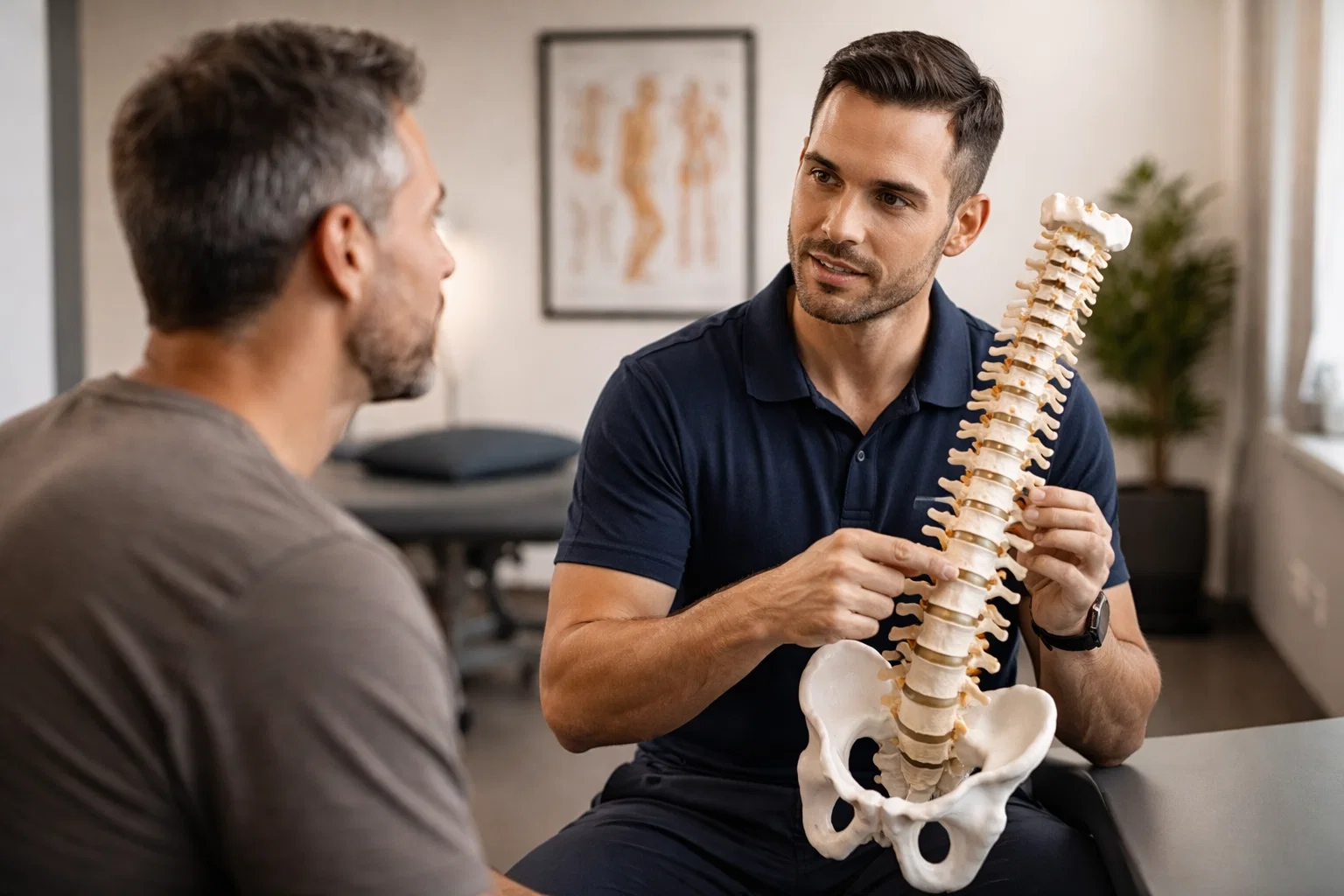
Proper spinal alignment plays a critical role in posture, mobility, balance, and overall musculoskeletal health. When the spine maintains its natural curves and structural balance, the body functions efficiently from the neck and shoulders down through the hips, knees, and feet. However, spinal misalignment—often referred to as spinal dysfunction—can gradually develop and contribute to chronic pain, stiffness, and reduced physical performance.
In Keizer, Oregon, many individuals experience spinal misalignment due to prolonged desk work, poor posture, repetitive strain, sports injuries, or motor vehicle accidents. Over time, these factors can create mechanical stress on spinal joints, discs, and surrounding muscles.
At ProCare Chiropractic – Keizer, we evaluate and treat patients experiencing symptoms related to spinal imbalance using non-surgical, evidence-based chiropractic care focused on restoring proper alignment and mobility.
Common Symptoms of a Misaligned Spine
Spinal misalignment can cause more than just localized back discomfort. Because the spine protects the nervous system, mechanical dysfunction may affect nerve communication throughout the body.
Common warning signs include:
- Chronic headaches
- Persistent neck pain
- Lower back pain
- Hip or knee discomfort
- Shoulder tension or stiffness
- Numbness or tingling in the hands or feet
- Reduced range of motion
- Uneven or slouched posture
- Fatigue or muscle tightness
- Discomfort when sitting or standing for long periods
Many people notice that these symptoms develop gradually rather than appearing suddenly.
How Spinal Misalignment Develops
Spinal misalignment typically occurs due to repeated stress placed on the body over time. Some of the most common causes include:
- Poor posture during prolonged sitting
- Work-from-home setups without proper ergonomics
- Auto accident injuries
- Sports-related trauma
- Muscle imbalances
- Degenerative disc changes
- Repetitive lifting or bending
In modern work environments, forward head posture, rounded shoulders, and uneven hip alignment are common structural changes. These postural shifts place uneven pressure on spinal joints and surrounding tissues.
Without correction, these mechanical imbalances can progressively worsen.
Potential Risks of Untreated Spinal Misalignment

If spinal dysfunction is left untreated, it may contribute to more serious conditions over time.
Possible complications include:
- Chronic musculoskeletal pain
- Joint stiffness
- Reduced mobility
- Sciatica
- Disc irritation or herniation
- Nerve compression
- Progressive postural problems
The body often develops compensation patterns in response to misalignment. For example:
- Pelvic imbalance may contribute to knee pain
- Cervical misalignment may trigger chronic headaches
- Thoracic stiffness may increase neck and shoulder tension
Early correction helps reduce these risks and supports long-term spinal stability.
Early Evaluation Helps Prevent Long-Term Problems
Spinal misalignment often develops gradually, and restoring balance typically requires consistent and structured care.
A chiropractic evaluation in Keizer, Oregon, may include:
- Postural analysis
- Spinal alignment assessment
- Range-of-motion testing
- Neurological examination
- Gait and movement analysis
Identifying biomechanical imbalances allows for a personalized treatment strategy that addresses the underlying cause rather than simply managing symptoms.
Exercises That Support Spinal Alignment
In addition to chiropractic care, certain lifestyle habits and exercises may help reinforce proper posture and spinal stability.
Regular Movement and Walking
Frequent movement breaks and walking help reduce pressure on the lumbar spine while improving circulation. Maintaining alignment of the head, shoulders, and hips while walking supports better posture.
Core Stabilization Exercises
Exercises such as planks strengthen the abdominal and spinal stabilizing muscles. A strong core helps reduce mechanical stress on the lumbar spine and supports proper posture.
Cat–Cow Mobility Stretch
This controlled spinal movement helps improve flexibility in the thoracic and lumbar spine while reducing stiffness.
Ergonomic Workstation Adjustments
Proper monitor height, lumbar support, and chair positioning can reduce strain on the neck and lower back during long work hours.
While these exercises may help support spinal health, moderate to severe spinal misalignment often requires professional evaluation and structured corrective care.
Chiropractic Treatment for Spinal Misalignment in Keizer, Oregon
Chiropractic care focuses on restoring proper joint mechanics and spinal alignment through conservative, non-surgical treatment methods.
Treatment may include:
- Chiropractic spinal adjustments
- Joint mobilization techniques
- Soft tissue therapy
- Postural correction strategies
- Corrective exercise programs
By addressing mechanical dysfunction within the spine, chiropractic care helps reduce nerve irritation, improve mobility, and support long-term structural balance.
Schedule a Spinal Alignment Evaluation in Keizer, Oregon
If you are experiencing headaches, neck pain, lower back pain, numbness, or posture problems, early evaluation can help prevent symptoms from worsening.
ProCare Chiropractic – Keizer provides non-surgical spinal alignment correction, auto accident injury care, disc rehabilitation, and posture-focused chiropractic services for residents of Keizer and the surrounding Marion County area.
Call today to schedule your comprehensive spinal assessment and begin a personalized treatment plan designed to restore alignment, improve mobility, and protect your long-term spinal health.
ProCare Chiropractic – Keizer
Address: 3785 River Rd N. Keizer, OR 97303Book: Online BookingPhone: (971) 414-3440