Chiropractic Rehabilitation Exercises: How Rehab Fits Into Your Treatment Plan
At ProCare, chiropractic rehabilitation (rehab) is one part of a treatment plan, not a standalone exercise program. Your chiropractor builds the plan after a consultation and physical exam. The plan can include adjustments, rehab and massage. What goes into it depends on what is causing your symptoms, what the exam shows and what your daily life and job demand.
This guide explains the main types of rehab exercises, but it is not a routine to start on your own. Symptoms are not always felt where they start. Numbness in the arm or hand can come from the neck, and leg symptoms can trace back to the lower back. Only an in-person exam can decide what rehab fits. This guide covers:
- the warning signs that call for the ER
- how rehab fits into your care
- what to track between visits
- questions to ask your chiropractor
- how care is paid for after a car accident in Oregon
This is general information for patients in Oregon. It is not a diagnosis, medical advice for your situation or legal advice. No particular result or timeline is promised.
What chiropractic rehabilitation exercises are, and why there is no one-size-fits-all routine
Rehab is one of the parts a ProCare treatment plan can include, along with adjustments and massage. The plan comes after an exam that checks your posture, range of motion, muscles and reflexes, along with your spine, joints and nerves. Those findings decide whether rehab belongs in your plan and what it involves. A symptom checklist cannot make that call.
The same symptom can have different sources:
- Tingling or numbness in the hand can come from a pinched nerve in the neck, for example after whiplash. It can also come from a nerve bruised at the elbow or from a wrist injury.
- Pain that travels down the leg may come from a disc injury or another nerve problem in the lower back. It may also come from other sources entirely.
A description of symptoms cannot tell these apart, which is why the exam comes first.
Common types of rehabilitation exercises
In chiropractic and physical rehabilitation in general, rehab exercises are active movements you do yourself, guided by your provider. They usually fall into a few broad groups:
- Range-of-motion and mobility work. Gentle, controlled movements that help a stiff neck, back or joint move more freely.
- Stretching. Easing tight muscles around the injured area, such as the neck, shoulders, hips or hamstrings.
- Core and spinal stabilization. Training the deep muscles of the trunk that support the spine during sitting, lifting and bending.
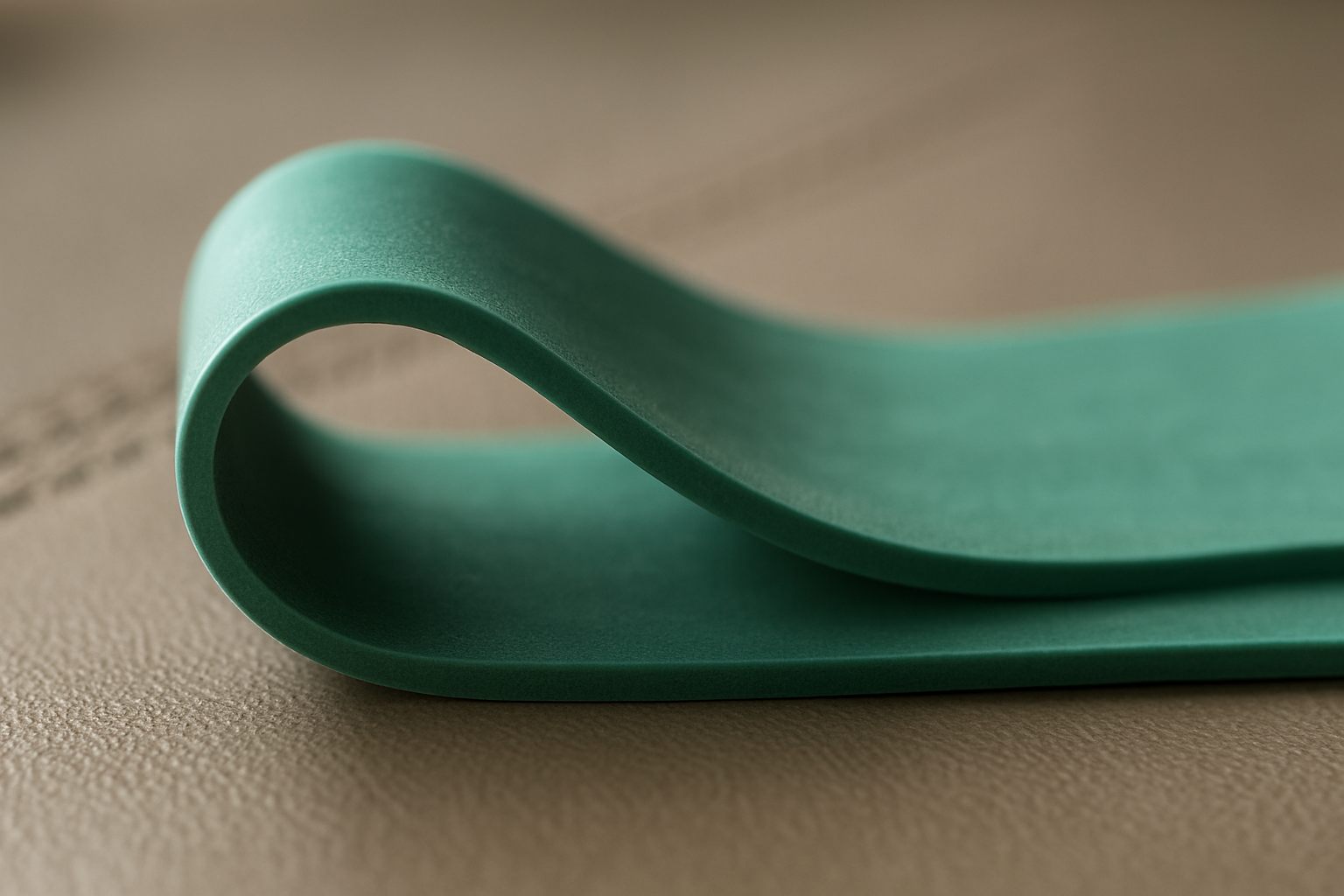
- Strengthening. Gradually loading weakened muscles, often with body weight or light resistance bands.
- Posture and movement training. Practicing safer ways to sit, lift, reach and drive, so daily tasks put less strain on the injured area.
- Balance and coordination. Exercises that help the body control joints again after a sprain or a period of reduced activity.
Exercises usually start gently and progress only as symptoms allow. An exercise should not sharply increase your pain or cause new numbness, tingling or weakness. If it does, stop and tell your provider. Which of these groups, if any, fit your injury is decided after the exam. ProCare’s Rehabilitation & Physical Therapy page describes the rehab side of care, and your chiropractor can explain what your own plan includes. For how rehab and other care fit together over time, see Injury Rehabilitation Plan After a Car Accident or Work Injury.
When to go to the ER or call 911 instead of starting rehab
If you think you have a medical emergency, call 911 or go to an emergency room. Do not wait for a chiropractic appointment. Get emergency care if you have any of these:
- Loss of bladder or bowel control, or new trouble passing urine
- Numbness in the groin, genitals, buttocks or inner thighs
- Leg or foot weakness that is getting worse, or numbness or weakness in both legs
- Severe neck pain with numbness, tingling or weakness in the arms or legs
- Sudden weakness or numbness in an arm or on one side of the body
- A blow to the head, loss of consciousness, confusion, repeated vomiting or a headache that keeps getting worse
- Trouble breathing, chest pain or abdominal pain
- A joint that looks deformed, or a limb you cannot move or put weight on
- A hand that turns pale, blue or cold, severe swelling, or heavy bleeding
This list is not complete. Chiropractic care at ProCare is for non-emergency injuries and does not replace an emergency evaluation.
Going to the ER first does not rule out chiropractic care later. Bring your ER notes and any X-rays or MRIs to your first visit. If weakness or numbness gets worse at any point during care, follow this same guidance.
How rehab fits into your care at ProCare: from first visit to treatment plan
Rehab is considered only after the exam, as part of the plan your chiropractor gives you at the end of the first visit. That visit has four steps:
- Consultation. You talk about how you were injured, where it hurts, what makes it better or worse, and your health history.
- Physical exam. Your chiropractor checks posture, range of motion, muscles, reflexes, spine, joints and nerves.
- Imaging only if needed. ProCare does not do X-rays or MRIs in-house. If the exam points to a possible fracture, disc injury or nerve problem, you are referred to an outside provider. Your chiropractor then reviews the results with you.
- Your plan. Your chiropractor explains what is causing the pain and gives you a plan, which can include rehab.
You do not need an X-ray, MRI or doctor’s note before the first visit. That visit takes longer than a regular one, and staff tell you how much time to plan for when you book. After that, ProCare records your symptoms, findings and progress at each visit, so changes are documented over time.
What rehab may help with, without promises
No particular result or timeline is promised. In general, rehab exercises aim to restore movement, support the injured area and help you return to daily tasks with less strain. ProCare’s guidance on back pain and sciatica adds a few points:
- Staying gently active, as your provider advises, is generally better for back pain than long bed rest.
- Many people with sciatica improve with non-surgical care.
- Many people can keep working while they recover, sometimes with changes to their tasks.
How much rehab helps differs from person to person, so this guide makes no claims about results for your injury. If you are not sure whether your symptoms are a strain or a sprain, see Muscle Strain vs Sprain After a Car Accident.
Two things are in your control:
- going to your appointments consistently
- keeping your symptom log up to date
Why your injury and your job shape the rehab plan
Your plan depends on three things:
- what is causing the symptoms
- what the exam and any imaging show
- what your daily life and job demand
A desk job is very different from a job with heavy lifting or long hours of driving.
How you were hurt also matters. In a crash, an elbow can hit the door, console or dashboard. It can also take force from an arm braced against the steering wheel or be struck by an airbag. See Elbow Pain After a Car Accident in Oregon.
Some injuries, such as whiplash, may not hurt right away, so symptoms can show up days later. ProCare recommends getting examined as soon as possible after an accident. An early exam also creates a clear record of your injuries.
Bring specifics about your work to the appointment:
- How long you sit or drive without a break
- What you lift, how often and from what height
- How much bending, twisting or reaching your tasks involve
- How long you stand or walk during a shift
This guide does not cover work notes, restrictions or modified duty. If your employer asks for paperwork, ask the clinic directly what it can provide. For how leg and back symptoms can affect work, see Time Off Work With Sciatica.
Track your progress between visits: a simple symptom and activity log
Keep a short log and add to it between visits. It shows your chiropractor how your symptoms behave outside the clinic and makes each visit more useful. Store it with your bills and treatment notes. Write down:
- When the pain, tingling or numbness started, compared with the injury date
- Which side is affected, where exactly, and how far the symptoms travel
- What makes it better or worse, such as sitting, driving, gripping, lifting, bending or certain positions
- How it affects your work, daily tasks and sleep
- Any problems you had in the same area before the injury
| Date | Task | Symptom and location | How bad | What eased or worsened it |
|---|---|---|---|---|
| Day of the activity | Desk work, driving, lifting, standing, chores | Pain, tingling or numbness; which side; how far it travels | Your own words, or a number you use consistently | Breaks, position changes; effect on sleep that night |
This is a personal record, not a clinical tool.
Questions to ask your chiropractor about your rehab plan
- What is causing my pain? What is each part of my plan (adjustments, rehab, massage) meant to address?
- Will any part of my rehab happen at home between visits? If so, what should I avoid?
- How will my progress be checked and recorded?
- Which activities at work or home should I discuss changing?
- What should I do if my symptoms get worse between visits?
If imaging is ordered, also ask:
- Which test is being ordered, and what is it meant to check?
- Do I need a nerve test or a referral to a medical doctor or specialist?
- Does my insurer need to approve an MRI in advance?
Paying for rehab after a car accident in Oregon: PIP, personal injury claims and LOPs
Oregon Personal Injury Protection (PIP) is no-fault coverage in your own auto policy. It pays reasonable and necessary medical expenses, including chiropractic care and the first visit, no matter who caused the crash.
- Limits: at least $15,000 per person. Many policies carry higher limits.
- Time frame: benefits are usually available for up to two years from the accident date. Check your own policy.
A personal injury claim against the at-fault driver’s insurance is a separate process:
| Oregon PIP | Personal injury claim | |
|---|---|---|
| Whose insurance | Your own auto policy | The at-fault driver’s insurance |
| Fault | Pays regardless of fault | Brought against the party at fault |
| What it covers | Reasonable and necessary medical expenses, including chiropractic care | Can include pain and suffering and future medical needs |
Many patients use both. PIP pays during active treatment, and a personal injury claim can follow. If your PIP limits run out, you may be able to pursue more compensation through that claim. Ask your attorney how this applies to you.
Letters of protection (LOPs). An LOP is an agreement, usually arranged through your attorney, under which the clinic is paid from your settlement. LOP terms vary and are a matter for your attorney. ProCare accepts LOP cases. See Letter of Protection (LOP) for Chiropractic Care in Oregon.
Starting care. You do not need a lawyer to start care. ProCare checks your coverage before treatment and helps with PIP claims. With your permission, the clinic shares records with your attorney.
Rehab visits and other coverage. The coverage details above refer to chiropractic care in general, so ask how rehab visits are handled under your policy. If your injury happened at work, note that ProCare lists workers’ comp among the insurance it accepts. Ask the clinic about your coverage, and see the Insurance We Accept page.
This section is general information, not legal advice.
How to book at a ProCare clinic in Oregon
ProCare has four clinics, all open Monday to Friday, 9:00 AM to 6:00 PM. Walk-ins are not available, so book ahead.
| Clinic | Address |
|---|---|
| Portland | 10915 SE Stark St, Portland, OR 97216 |
| Keizer | 3785 River Rd N, Keizer, OR 97303 |
| Sherwood | 16771 SW 12th St, Sherwood, OR 97140 |
| Hillsboro | 329 SE 3rd Ave, Hillsboro, OR 97123 |
To book on the Book an Appointment page:
- Enter your name and phone number.
- Choose the injury type and your clinic.
- Wait for the clinic to call you back and confirm a time.
If you would rather talk to the team first about a non-emergency injury, call (503) 206-6078. For the injuries ProCare treats after a crash, see the Car Accident Chiropractor page. If you are unsure when to come in after a crash, see How Soon Should You See a Chiropractor After a Car Accident?
What to bring:
- Photo ID and insurance card
- Your claim number, if you have one
- Details of the accident or injury
- A list of your medicines and past injuries
- Your symptom log
- Any earlier X-rays, MRIs, doctor notes or ER notes
Frequently asked questions
Do I need an X-ray or MRI before starting rehab?
No. You do not need imaging before your first ProCare visit. Imaging is referred out only if the exam points to a possible fracture, disc injury or nerve problem.
Can I just do rehab exercises at home instead of getting examined?
An in-person exam should come first, because the source of pain is not always where you feel it. Any rehab in your plan is decided after that exam, not taken from a generic routine.
Does Oregon PIP cover chiropractic care after a car accident?
PIP covers reasonable and necessary medical expenses, including chiropractic care and the first visit, regardless of fault. Check your policy’s limits and time frame, and ask how rehab visits are handled.
How long will rehab take?
No timeline is promised. It depends on what is causing your symptoms, what the exam and any imaging show, and your treatment plan.
When should I go to the ER instead?
Go to the ER or call 911 for warning signs such as loss of bladder or bowel control, worsening leg weakness, sudden weakness on one side, or a head injury with confusion or vomiting. Do the same if weakness or numbness gets worse during care. See the full list above.