Can a Chiropractor Help After a Minor Car Accident? 7 Signs You Shouldn’t Ignore
Can a Chiropractor Help After a Minor Car Accident? 7 Signs You Shouldn’t Ignore
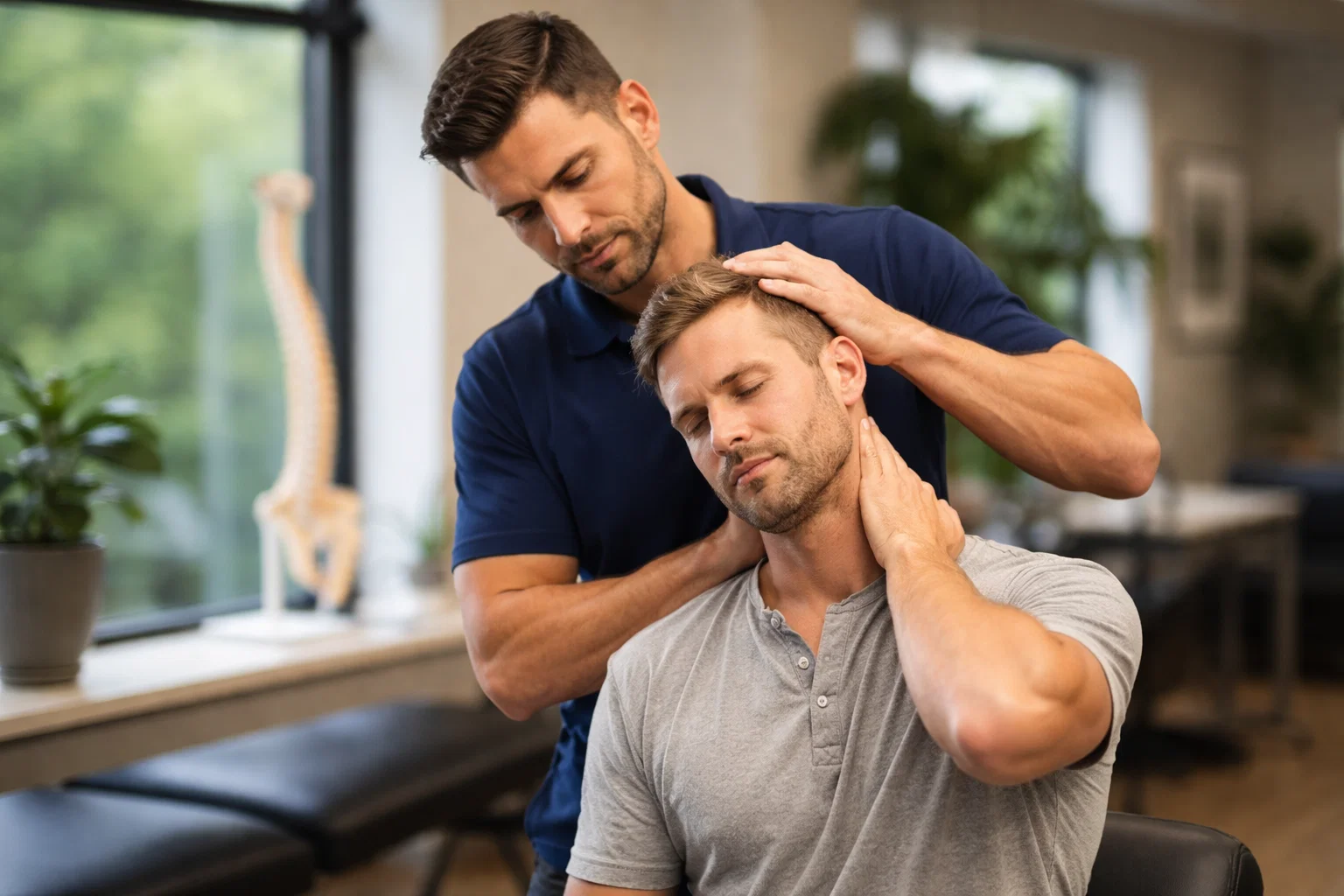
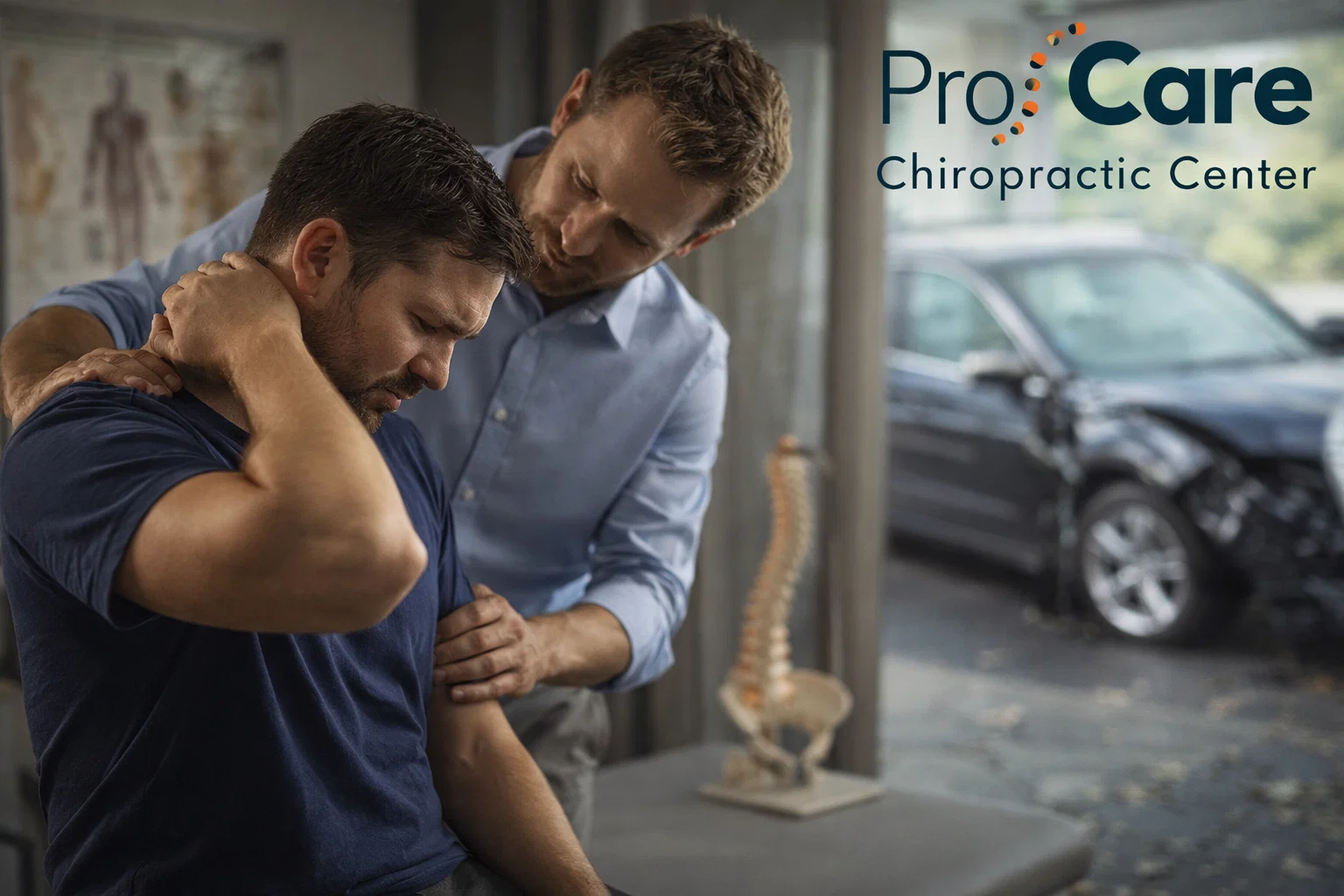
A minor car accident chiropractor can help identify injuries that often go unnoticed immediately after a collision. Even a low-speed crash can place significant stress on your neck, spine, muscles, and joints. Many people walk away believing they’re fine, only to experience pain, stiffness, headaches, or numbness days later.
If you’ve recently been involved in a minor accident in Oregon, understanding the warning signs can help you seek treatment before small injuries become long-term problems.
Table of Contents
- Why Minor Car Accidents Can Cause Serious Injuries
- 7 Signs You Should See a Minor Car Accident Chiropractor
- Common Injuries After Low-Speed Collisions
- Why Symptoms Often Appear Days Later
- Does Oregon PIP Insurance Cover Chiropractic Care?
- Why Early Treatment Matters
- Frequently Asked Questions
- Schedule Your Evaluation Today
Why Minor Car Accidents Can Cause Serious Injuries
Many drivers assume that if their vehicle only has a small dent, their body couldn’t possibly be injured.
Unfortunately, that’s not how the human body works.
During even a low-speed collision, your head and spine can be forced forward and backward in a matter of milliseconds. This sudden motion places stress on muscles, ligaments, spinal joints, and nerves.
Common injuries include:
- Whiplash
- Neck strain
- Lower back pain
- Shoulder injuries
- Muscle inflammation
- Pinched nerves
- Headaches
- Soft tissue injuries
These injuries often don’t appear on X-rays but can still cause significant pain and reduced mobility.
7 Signs You Should See a Minor Car Accident Chiropractor
1. Neck Pain
One of the earliest warning signs is neck pain.
Even mild soreness may indicate whiplash or soft tissue damage.
Ignoring neck pain can allow inflammation to worsen over time.
2. Headaches
Headaches that begin hours or days after an accident may originate from injuries in the neck.
Many patients mistake these headaches for stress when they’re actually related to spinal dysfunction.
3. Lower Back Pain
Your lower back absorbs a tremendous amount of force during a collision.
Pain may develop gradually as muscles tighten and inflammation increases.
4. Shoulder Pain
Shoulder discomfort is frequently connected to neck injuries.
Pain while lifting your arm or reaching overhead should be evaluated.
5. Numbness or Tingling
Pins and needles in your arms or hands may indicate nerve irritation.
Prompt evaluation helps determine the source before symptoms worsen.
6. Limited Range of Motion
If turning your head becomes difficult after an accident, your muscles and joints may have been injured.
Reduced mobility is one of the most common symptoms chiropractors evaluate.
7. You Feel Fine… But the Accident Happened Yesterday
Adrenaline can temporarily mask pain.
Many accident victims don’t notice symptoms until 24–72 hours after the crash.
That’s why medical evaluation is recommended even if you initially feel okay.
Common Injuries After Low-Speed Collisions
A minor car accident chiropractor commonly treats:
- Whiplash injuries
- Cervical sprains
- Lumbar sprains
- Muscle strains
- Joint dysfunction
- Herniated discs
- Pinched nerves
- Sciatica
- Shoulder injuries
Early diagnosis helps create an appropriate treatment plan before these injuries become chronic.
Why Symptoms Often Appear Days Later
After an accident, your body releases adrenaline and other stress hormones.
These chemicals temporarily reduce your perception of pain.
Once they wear off, inflammation begins increasing around injured tissues.
This is why many people wake up one or two days later with:
- Neck stiffness
- Headaches
- Muscle soreness
- Reduced flexibility
- Back pain
Waiting too long before seeking care may prolong recovery.
Does Oregon PIP Insurance Cover Chiropractic Care?
Yes.
Oregon requires auto insurance policies to include Personal Injury Protection (PIP) benefits.
PIP may cover:
- Chiropractic care
- Medical evaluations
- Rehabilitation
- Diagnostic imaging
- Physical therapy
- Massage therapy when prescribed
Many patients are surprised to learn they can receive treatment regardless of who caused the accident.
For official information about Oregon PIP coverage, visit the Oregon Division of Financial Regulation and the National Highway Traffic Safety Administration (NHTSA).

Why Early Treatment Matters
Early chiropractic evaluation provides several important benefits.
It creates medical documentation connecting your injuries to the accident.
It allows providers to identify injuries before they become chronic.
It also helps improve mobility while reducing pain through individualized treatment.
Most importantly, early care may reduce the likelihood of long-term complications.
Frequently Asked Questions
Should I see a chiropractor after a small car accident?
Yes. Even low-speed collisions can cause whiplash, muscle injuries, and spinal dysfunction that may not produce immediate symptoms.
How soon should I get checked?
Ideally within 72 hours after the accident.
Earlier evaluation provides better documentation and allows treatment to begin sooner.
What if my pain started several days later?
Delayed symptoms are extremely common after motor vehicle accidents.
You should still schedule an evaluation as soon as possible.
Can chiropractic care help with whiplash?
Many patients seek chiropractic care for neck pain, reduced mobility, headaches, and stiffness associated with whiplash injuries.
Treatment recommendations depend on your specific condition.
Don’t Ignore the Warning Signs
A “minor” accident doesn’t always mean a minor injury.
If you’ve recently been involved in a collision, early evaluation may help identify injuries before they interfere with your work, sleep, or daily activities.
Schedule an Appointment
ProCare Chiropractic Center – Portland Clinic
10915 SE Stark St. Suite 200
Portland, OR 97216
Book: Online BookingPhone: (503) 206-6078
Our team provides comprehensive evaluations for car accident injuries and personalized treatment plans designed to help you recover safely.