
Grade 2 and Grade 3 Whiplash Treatment in Keizer, Oregon: Advanced Chiropractic Recovery After Auto Accidents
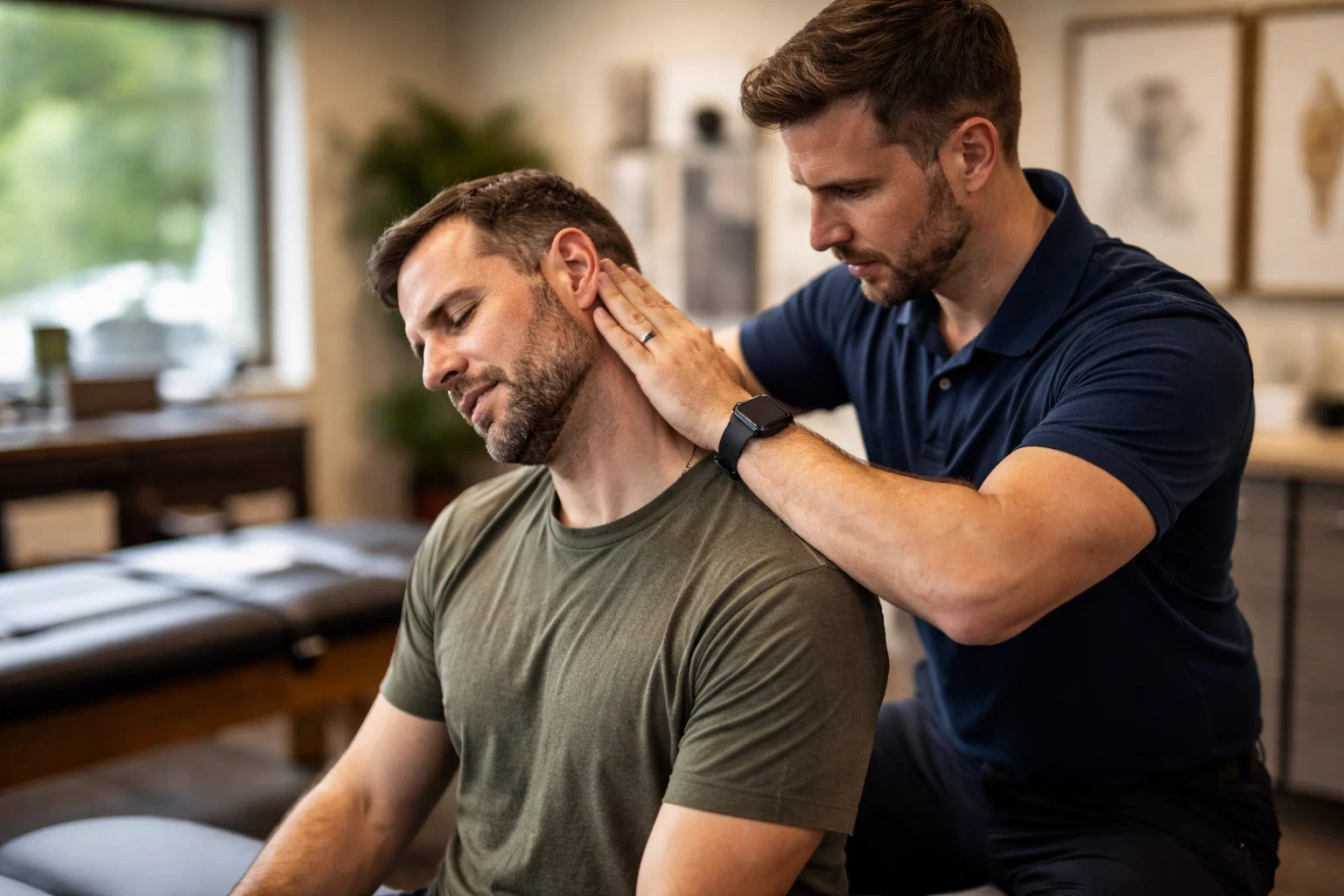
Whiplash is one of the most common injuries following motor vehicle accidents in Keizer, Oregon and throughout Marion County. While mild whiplash injuries may resolve relatively quickly, Grade 2 and Grade 3 whiplash injuries involve more significant damage to the muscles, ligaments, joints, and sometimes nerves of the cervical spine.
These moderate to severe injuries often require structured rehabilitation rather than simple rest or temporary pain relief. Without proper treatment, patients may experience long-term neck pain, mobility limitations, and neurological symptoms.
At ProCare Chiropractic in Keizer, we provide comprehensive, non-invasive treatment plans designed to restore cervical spine function, reduce inflammation, improve mobility, and support full recovery after auto accident injuries.
Understanding Grade 2 and Grade 3 Whiplash
Whiplash severity is commonly categorized using the Quebec Task Force classification system, which helps determine appropriate treatment strategies.
Grade 2 Whiplash
Grade 2 whiplash involves neck pain along with clear musculoskeletal signs such as:
- Reduced cervical range of motion
- Muscle spasms
- Localized tenderness
- Ligament strain
- Soft tissue injury
Although neurological symptoms are not typically present at this stage, the damage to muscles and ligaments can significantly affect neck mobility and stability.
Grade 3 Whiplash
Grade 3 whiplash includes neck pain accompanied by neurological symptoms, which may indicate nerve irritation or compression.
Symptoms may include:
- Numbness or tingling in the arms
- Muscle weakness
- Altered reflexes
- Radiating arm pain
- Nerve root irritation
These injuries are more complex because they may involve both soft tissue damage and nerve involvement.
In many cases, imaging studies may not immediately reveal the full extent of soft tissue trauma, yet patients still experience significant pain and functional limitations.
Why Moderate and Severe Whiplash Is Often Underestimated
Whiplash occurs when the head and neck are rapidly forced into hyperextension and then flexion during a collision. This sudden movement places significant stress on the cervical spine.
Structures commonly affected include:
- Cervical vertebrae
- Intervertebral discs
- Facet joints
- Ligaments
- Paraspinal muscles
- Spinal nerve roots
Even low-speed collisions can generate enough force to injure these structures. Without appropriate treatment, patients may develop complications such as:
- Chronic neck pain
- Recurring tension headaches
- Reduced cervical mobility
- Postural instability
- Persistent nerve sensitivity
- Degenerative changes in the cervical spine
Early chiropractic care helps reduce the likelihood of these long-term complications.
Chiropractic Treatment for Grade 2 and Grade 3 Whiplash
Chiropractic care focuses on restoring proper spinal mechanics rather than simply masking symptoms.
Treatment goals for moderate to severe whiplash include:
- Restoring spinal alignment
- Reducing inflammation
- Improving cervical mobility
- Rehabilitating injured soft tissues
- Normalizing nerve communication
- Preventing excessive scar tissue formation
Each treatment plan is customized based on the patient’s injury severity, symptoms, and clinical findings.
Cervical Spinal Adjustments and Alignment

Whiplash frequently causes joint dysfunction within the cervical spine, including:
- Vertebral misalignment
- Restricted facet joints
- Abnormal cervical motion
- Protective muscle guarding
Gentle chiropractic adjustments help restore normal joint mechanics while reducing pressure on irritated nerves.
Benefits of cervical adjustments may include:
- Improved spinal mobility
- Reduced muscle tension
- Decreased nerve irritation
- Improved circulation to injured tissues
- Enhanced spinal stability
For Grade 2 and Grade 3 injuries, chiropractors apply modified techniques designed to protect inflamed tissues while gradually restoring function.
Soft Tissue Therapy for Ligament and Muscle Injuries
Moderate to severe whiplash often involves microtears within muscles and ligaments.
During healing, scar tissue may form and restrict normal movement. Soft tissue therapy helps prevent excessive scar tissue buildup.
Treatment may include:
- Myofascial release
- Trigger point therapy
- Instrument-assisted soft tissue mobilization
- Gentle therapeutic stretching
These therapies help:
- Break down adhesions
- Improve circulation
- Reduce stiffness
- Restore flexibility
Improving soft tissue function allows the cervical spine to move more naturally during recovery.
Restoring Range of Motion
Restricted neck movement is one of the most common symptoms of moderate and severe whiplash injuries.
Patients may have difficulty:
- Turning their head
- Looking up or down
- Maintaining upright posture
- Driving comfortably
- Performing daily tasks
Rehabilitation programs often include:
- Controlled cervical mobility exercises
- Stabilization strengthening
- Postural retraining
- Gradual return-to-activity programs
Guided movement helps prevent stiffness while supporting safe recovery.
Managing Neurological Symptoms in Grade 3 Whiplash
Grade 3 whiplash may involve symptoms related to nerve irritation or compression.
These symptoms may include:
- Radiating arm pain
- Numbness or tingling
- Muscle weakness
- Changes in reflexes
Chiropractic care aims to reduce mechanical pressure on nerves while improving spinal alignment and joint function.
When necessary, imaging referrals may be recommended to rule out structural damage or instability.
Reducing joint dysfunction often helps relieve nerve irritation and supports neurological recovery.
Controlling Inflammation and Supporting Healing
Inflammation plays a natural role in the healing process. However, prolonged inflammation can increase pain and delay recovery.
Chiropractic treatment helps regulate inflammation by:
- Improving circulation
- Supporting lymphatic drainage
- Reducing mechanical stress on injured tissues
- Restoring proper joint movement
Balanced spinal mechanics allow the body’s natural healing processes to function more efficiently.
Why Early Treatment Matters After a Car Accident
Oregon law requires Personal Injury Protection (PIP) coverage in auto insurance policies. In many cases, PIP benefits cover medically necessary chiropractic treatment after a motor vehicle accident.
Seeking early evaluation is important because delayed care may increase the risk of:
- Chronic cervical instability
- Degenerative disc stress
- Persistent muscle guarding
- Long-term nerve sensitivity
- Insurance documentation complications
Prompt treatment improves recovery outcomes and helps establish clear medical documentation related to the accident.
Long-Term Benefits of Structured Whiplash Rehabilitation
When treated properly, chiropractic rehabilitation for moderate and severe whiplash can provide long-term benefits such as:
- Improved cervical spine stability
- Reduced risk of chronic neck pain
- Better posture and spinal alignment
- Enhanced mobility
- Lower likelihood of future injury
Regular follow-up evaluations help ensure the spine continues to function properly during recovery.
Whiplash Treatment in Keizer, Oregon
If you have been involved in a car accident and are experiencing symptoms of moderate or severe whiplash, early chiropractic care can help restore spinal function and prevent long-term complications.
At ProCare Chiropractic in Keizer, we provide comprehensive treatment plans designed to address cervical spine trauma, nerve irritation, and auto accident injuries.
Address: 3785 River Rd N. Keizer, OR 97303Book: Online BookingPhone: (971) 414-3440