
How a Chiropractor Can Help With the Physical Effects of Stress in Sherwood, Oregon
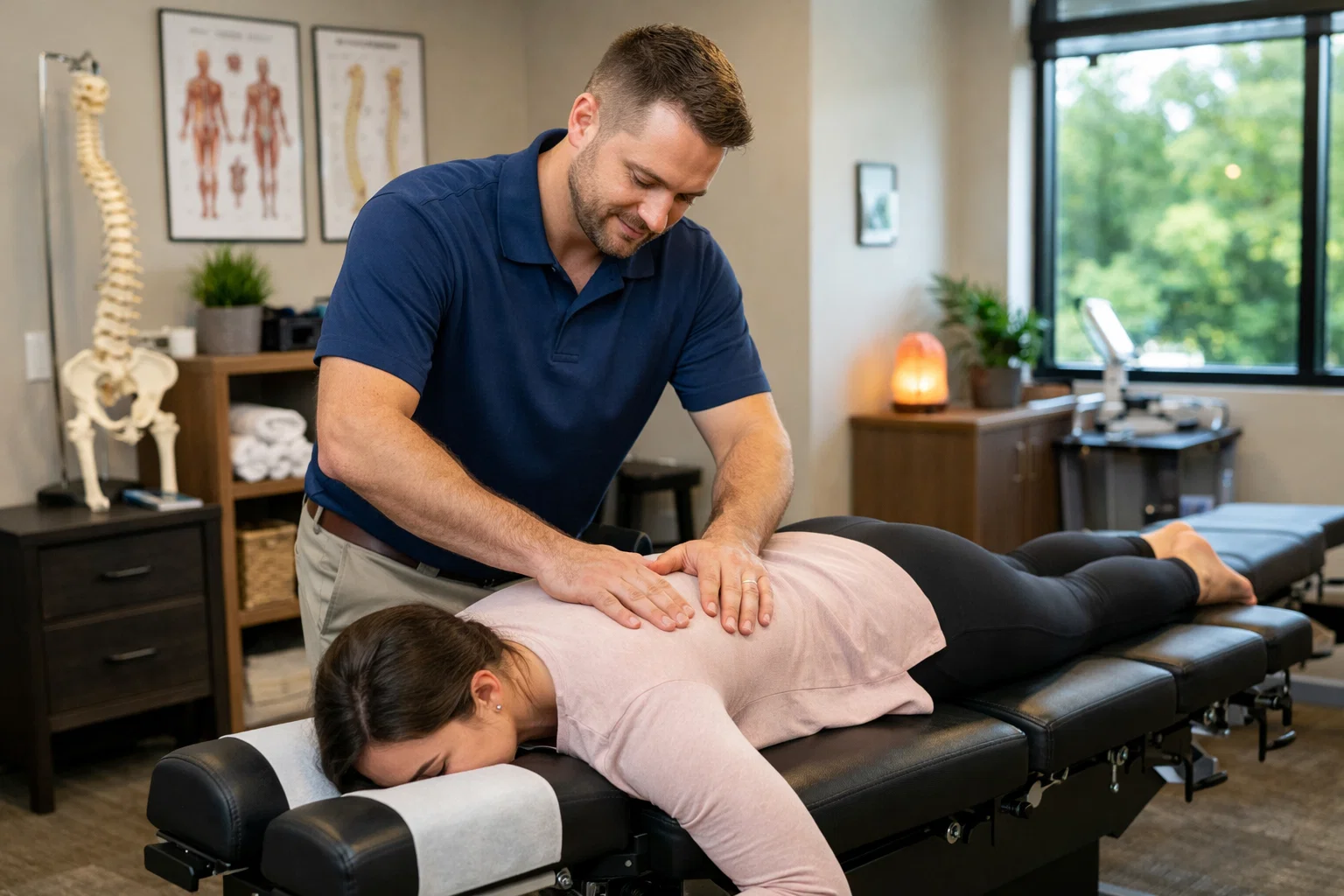
Stress is often viewed as a mental or emotional issue, yet it has significant physical consequences. In Sherwood, Oregon, many patients seeking chiropractic care report chronic neck pain, shoulder tension, back discomfort, headaches, and fatigue that are directly connected to prolonged stress exposure.
When stress becomes chronic, the body remains in a constant state of muscular tension and nervous system activation. Over time, this leads to spinal misalignment, joint restriction, soft-tissue dysfunction, and persistent pain.
At ProCare Chiropractic – Sherwood, we regularly treat patients whose symptoms are rooted in chronic stress, prolonged sitting, demanding work schedules, and posture-related strain. Chiropractic care provides a non-invasive, evidence-based approach to managing the physical effects of stress by restoring spinal alignment and improving nervous system function in 2026 and beyond.
How Stress Physically Affects the Body
Stress activates the body’s sympathetic “fight-or-flight” response. While this response is protective in short bursts, chronic activation creates ongoing physical strain.
Physiological effects of prolonged stress include:
- Elevated cortisol levels
- Increased muscle tension
- Reduced circulation
- Heightened pain sensitivity
- Altered posture and movement patterns
- Shallow breathing patterns
When muscles remain contracted for extended periods, they place abnormal pressure on the spine and joints. Over time, this may contribute to chronic neck pain, back pain, headaches, and reduced mobility.
Many Sherwood residents do not initially connect their musculoskeletal symptoms to chronic stress exposure.
Common Physical Symptoms of Stress
Neck and Shoulder Pain
Persistent tension in the upper trapezius and cervical spine is a common stress response.
Chronic muscle contraction may lead to:
- Cervical spinal misalignment
- Reduced range of motion
- Nerve irritation
- Ongoing stiffness and soreness
Back Pain
Stress frequently causes involuntary tightening of muscles in the upper and lower back. Combined with desk work or poor posture, this increases spinal strain and mechanical back pain.
Tension Headaches
Tension headaches are strongly associated with cervical spine dysfunction.
Tight muscles in the neck and upper back can:
- Restrict blood flow
- Irritate surrounding nerves
- Trigger recurring headaches
Spinal misalignment may also contribute to migraine frequency.
Muscle Stiffness and Limited Mobility
Chronic stress keeps muscles in a guarded state, reducing flexibility and joint mobility.
Patients may notice:
- Difficulty turning the head
- Tight hips or shoulders
- Decreased spinal flexibility
Fatigue and Sleep Disturbances
Persistent pain and muscular tension often interfere with sleep quality. Poor sleep further increases cortisol levels, creating a cycle of stress and discomfort.
Why Stress-Related Pain Becomes Chronic
Many individuals attempt to manage stress-related discomfort with:
- Over-the-counter medication
- Occasional stretching
- Rest
While these strategies may provide temporary relief, they do not address underlying spinal dysfunction or muscular imbalance.
Over time:
- Posture adapts to chronic tension
- Joint restrictions develop
- Inflammation increases
- Tissue repair slows
Without intervention, stress-related discomfort can evolve into long-term musculoskeletal conditions.
The Spine and Nervous System in Stress Response
The spine protects the spinal cord, which transmits signals between the brain and body.
When spinal joints become restricted or misaligned:
- Nerve communication may be impaired
- Muscle tension may intensify
- Movement becomes limited
- Pain sensitivity may increase
This creates a cycle:
Stress → Muscle tension → Spinal dysfunction → Increased discomfort → More stress
Chiropractic care helps interrupt this cycle by restoring proper spinal motion and improving nervous system balance.
How Chiropractic Care Helps With Stress-Related Conditions
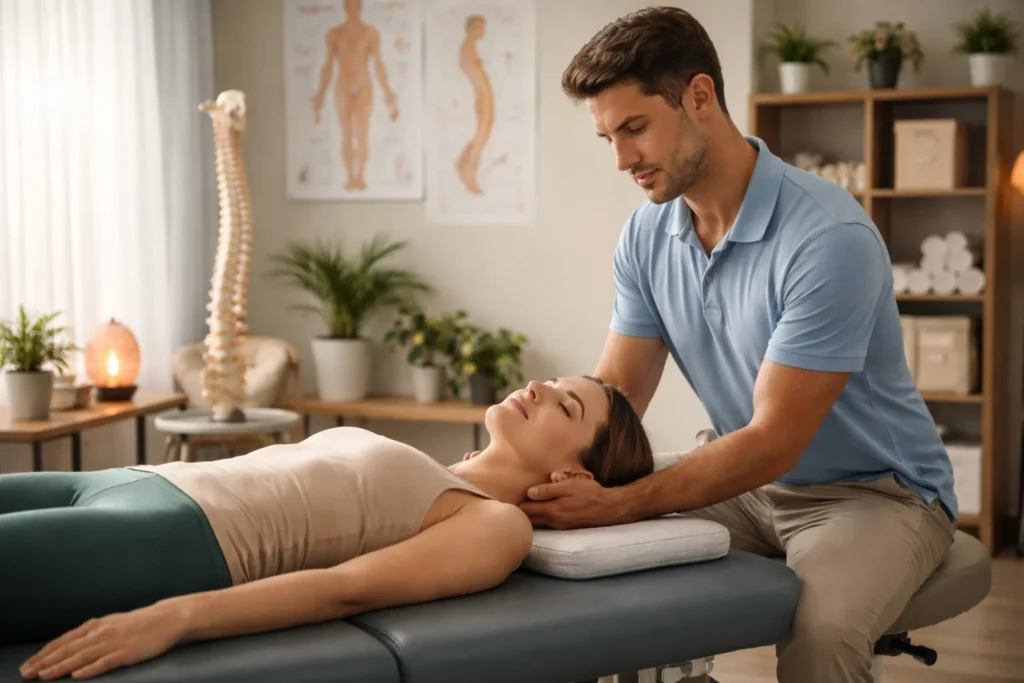
Chiropractic care does not eliminate life stressors, but it improves the body’s ability to manage their physical impact.
At ProCare Chiropractic – Sherwood, treatment begins with a comprehensive evaluation of spinal alignment, posture, and mobility.
Spinal Adjustments
Chiropractic adjustments restore joint mobility and alignment.
Benefits may include:
- Reduced nerve irritation
- Decreased muscle tension
- Improved circulation
- Better posture
- Enhanced range of motion
Many patients report noticeable relief after restoring proper spinal movement.
Soft-Tissue Therapy
Stress-related pain often involves tight connective tissue and trigger points.
Soft-tissue techniques help:
- Reduce muscle guarding
- Improve flexibility
- Break up adhesions
- Enhance blood flow
Postural Correction
Chronic stress often contributes to:
- Forward head posture
- Rounded shoulders
- Slouched sitting
Postural correction reduces strain on the cervical and thoracic spine and supports long-term spinal health.
Therapeutic and Stabilization Exercises
Customized exercises strengthen supportive muscles and improve flexibility.
These exercises help:
- Reinforce proper spinal alignment
- Improve resilience to physical stress
- Prevent recurrence of tension-related pain
Ergonomic and Lifestyle Guidance
Small adjustments significantly reduce daily physical stress.
Patients receive guidance on:
- Workstation setup
- Sitting posture
- Sleep positioning
- Movement breaks throughout the day
Stress and Lifestyle Demands in Sherwood, Oregon
Sherwood residents commonly experience:
- Long hours of desk work
- Remote work strain
- Repetitive tasks
- Limited daily movement
Even physically active individuals may develop stress-related spinal dysfunction if posture and joint mechanics are compromised.
Chiropractic care helps maintain spinal balance despite these ongoing demands.
When to Seek Chiropractic Care for Stress-Related Pain
Schedule an evaluation if you experience:
- Persistent neck or back pain
- Frequent tension headaches
- Muscle stiffness that does not resolve
- Pain that worsens during stressful periods
- Reduced mobility
- Sleep disturbances related to discomfort
Early intervention improves recovery speed and long-term outcomes in 2026 and beyond.
Local Chiropractic Care in Sherwood, Oregon
Patients seeking relief from stress-related musculoskeletal symptoms can receive personalized care at:
ProCare Chiropractic – Sherwood
Address: 16771 SW 12th St Ste E, Sherwood, OR 97140Book: Online BookingPhone: (971) 396-3013
Our clinic provides comprehensive chiropractic evaluations and customized treatment plans focused on restoring spinal health, reducing muscle tension, and improving overall function.