Sciatic Nerve Pain After a Car Accident in Sherwood, Oregon: How Chiropractic Care Supports Recovery
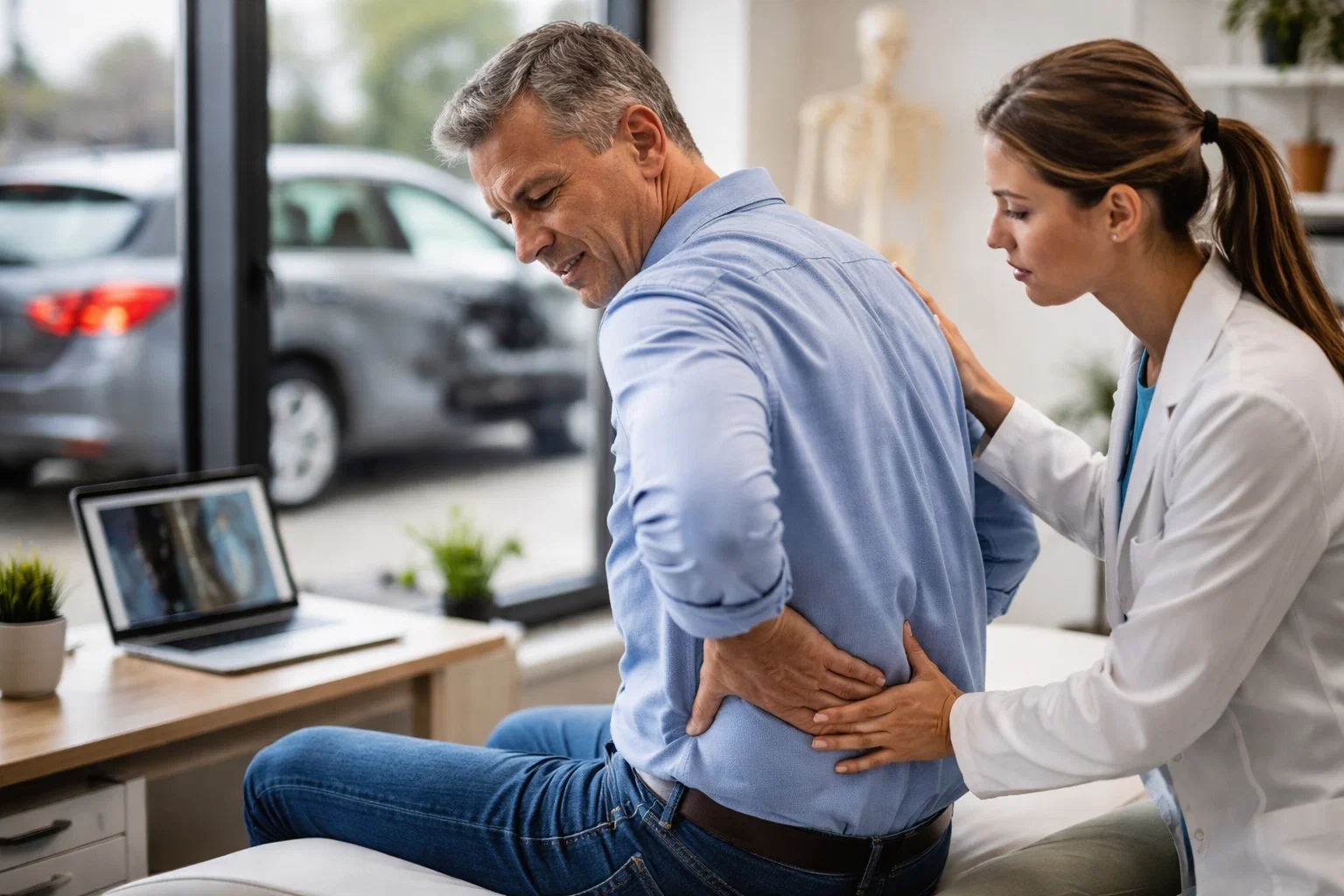
Car accidents in Sherwood, Oregon and throughout Washington County often cause injuries that are not immediately visible. One of the most painful and functionally limiting conditions that can develop after a collision is sciatic nerve pain.
Post-accident sciatica can interfere with walking, sitting, sleeping, and working. While some cases of sciatica are related to degenerative spinal changes, accident-related sciatic nerve pain is typically caused by acute trauma — including disc injury, lumbar misalignment, pelvic instability, or inflammation compressing the nerve.
At ProCare Chiropractic – Sherwood, we focus on identifying and correcting the structural cause of post-accident sciatic nerve pain using non-invasive, drug-free chiropractic care. Many auto accident cases qualify for Oregon Personal Injury Protection (PIP) insurance coverage.
What Is Sciatic Nerve Pain?
The sciatic nerve is the largest nerve in the body. It originates in the lower lumbar spine and travels through the hips and buttocks down each leg.
Sciatic nerve pain occurs when this nerve becomes irritated or compressed.
After a car accident, common causes include:
- Herniated or bulging lumbar discs
- Lumbar spinal misalignment
- Pelvic imbalance
- Facet joint dysfunction
- Inflammation surrounding nerve roots
- Muscle spasms compressing the nerve
Symptoms may include:
- Sharp or burning pain radiating from the lower back into the leg
- Numbness or tingling in the leg or foot
- Muscle weakness
- Difficulty standing or walking
- Pain that worsens with prolonged sitting
Pain intensity can range from mild discomfort to severe, debilitating episodes.
Why Car Accidents Trigger Sciatic Pain
During a motor vehicle collision, rapid acceleration-deceleration forces place significant stress on the lumbar spine. Even low-speed crashes in Sherwood can:
- Shift spinal alignment
- Compress intervertebral discs
- Cause ligament microtears
- Trigger protective muscle guarding
- Increase inflammation around nerve roots
If a lumbar disc shifts or bulges outward, it may press against the sciatic nerve root. Inflammation following injury can further narrow the nerve pathway, intensifying symptoms.
Without early structural correction, acute nerve irritation can develop into chronic sciatica.
How Chiropractic Care Relieves Post-Accident Sciatica
Chiropractic care addresses the mechanical source of nerve compression rather than masking symptoms with medication.
At ProCare Chiropractic – Sherwood, treatment plans focus on restoring spinal alignment, reducing disc pressure, and improving nerve communication.
1. Spinal Adjustments to Reduce Nerve Compression
Lumbar misalignment is a frequent contributor to sciatic nerve irritation after trauma.
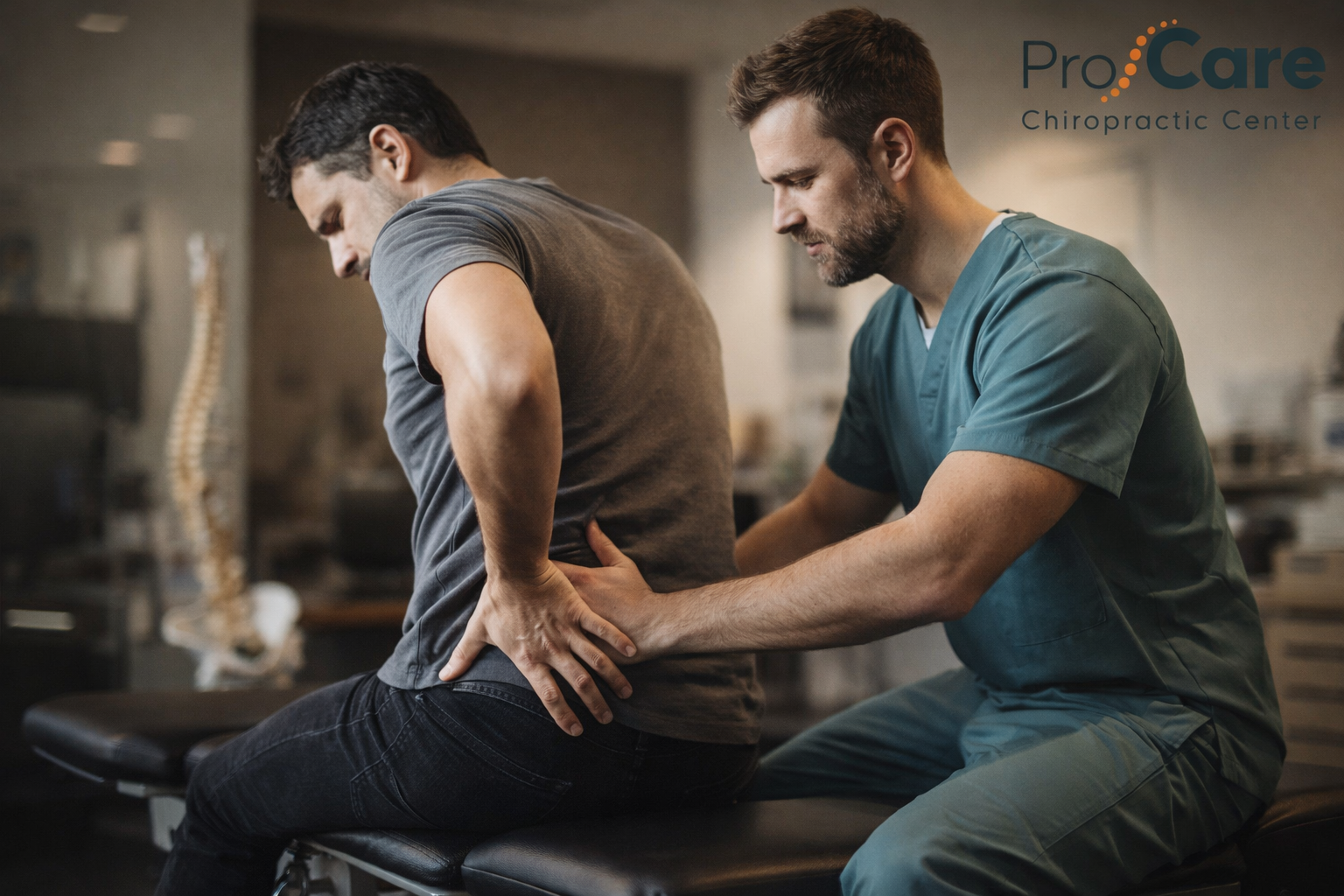
Chiropractic adjustments involve precise, controlled techniques applied to restricted spinal segments. These adjustments help:
- Restore proper lumbar alignment
- Reduce disc pressure
- Improve joint mobility
- Decrease nerve root compression
When spinal mechanics normalize, pressure on the sciatic nerve often decreases significantly.
For disc-related sciatica, gentle spinal decompression techniques may also be incorporated to relieve pressure on affected nerve roots.
2. Soft Tissue Therapy for Muscle-Related Nerve Irritation
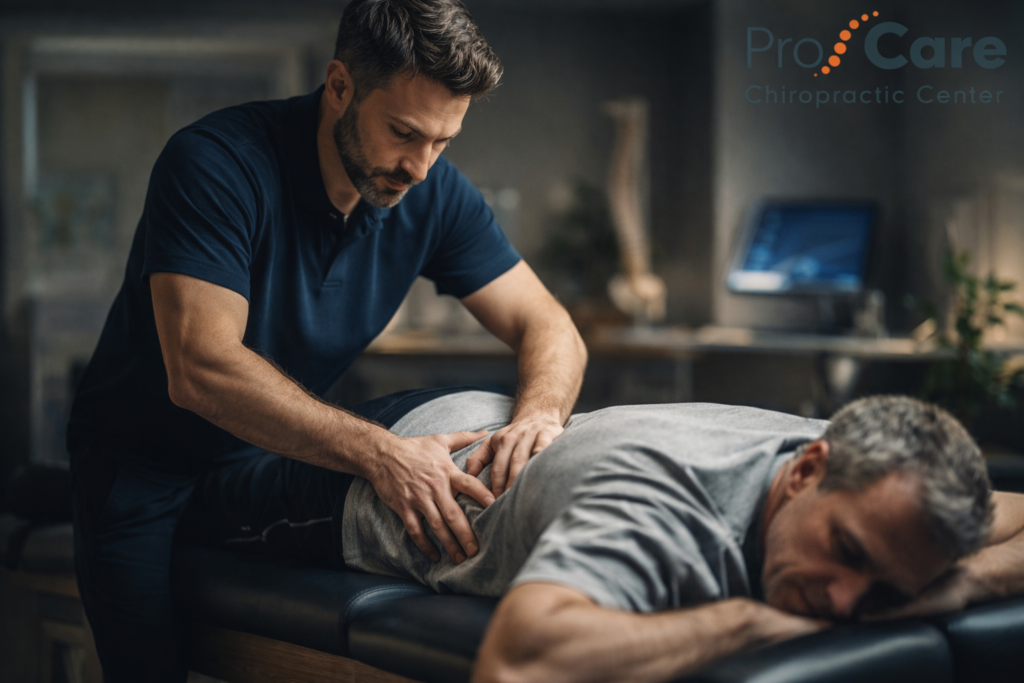
After a car accident, surrounding muscles often tighten protectively. This muscle guarding can compress the sciatic nerve and worsen symptoms.
Chiropractic soft tissue therapy may include:
- Myofascial release
- Trigger point therapy
- Targeted therapeutic muscle work
- Guided stretching protocols
These therapies help:
- Reduce muscle spasms
- Improve circulation
- Decrease inflammation
- Enhance flexibility
Clinical soft tissue treatment is focused specifically on anatomical nerve pathways and biomechanical dysfunction, not simply relaxation.
3. Corrective Exercises and Postural Rehabilitation
In-office treatment is only one component of long-term sciatic nerve recovery. Stabilizing the spine and pelvis reduces the likelihood of recurring compression.
Personalized rehabilitation programs may include:
- Core strengthening exercises
- Gentle lumbar mobility work
- Pelvic stabilization training
- Postural correction strategies
- Functional movement retraining
These exercises support:
- Spinal stability
- Balanced load distribution
- Reduced disc stress
- Long-term symptom prevention
Active participation significantly improves recovery outcomes.
The Importance of Early Evaluation After a Sherwood Car Accident
Sciatic nerve pain does not always appear immediately after a crash. Symptoms often develop days or weeks later as inflammation increases.
Early chiropractic evaluation can:
- Identify disc injuries before progression
- Detect subtle lumbar misalignment
- Prevent chronic nerve irritation
- Shorten overall recovery time
- Strengthen PIP insurance documentation
Delaying care increases the risk of prolonged nerve compression and chronic lower back pain.
Preventing Long-Term Sciatica After a Crash
If untreated, acute sciatic irritation may lead to:
- Chronic lower back pain
- Persistent leg numbness
- Muscle weakness
- Ongoing inflammation
- Reduced mobility
- Degenerative lumbar changes
Chiropractic care corrects structural dysfunction early, reducing the likelihood of long-term nerve damage and chronic pain patterns.
Drug-Free, Non-Invasive Sciatica Treatment
After a car accident, many individuals are prescribed anti-inflammatory medications or pain relievers. While these may reduce symptoms temporarily, they do not correct:
- Disc displacement
- Lumbar misalignment
- Pelvic instability
- Biomechanical dysfunction
Chiropractic care provides:
- Non-invasive treatment
- Drug-free pain relief
- Natural inflammation regulation
- Improved nervous system communication
- Structural correction
The objective is sustainable recovery rather than temporary symptom suppression.
Comprehensive Post-Accident Sciatica Care in Sherwood, Oregon
Recovery from post-accident sciatic nerve pain may involve a combination of:
- Lumbar spinal adjustments
- Spinal decompression techniques
- Soft tissue therapy
- Targeted rehabilitation exercises
- Postural correction
- Ongoing progress monitoring
Each treatment plan at ProCare Chiropractic – Sherwood is tailored to the severity of injury, overall health status, and functional goals.
Many auto accident injuries qualify for Oregon PIP insurance coverage, allowing patients to receive necessary chiropractic care without immediate financial burden.
When to Seek Chiropractic Care for Post-Accident Sciatica
Schedule an evaluation if you experience:
- Radiating leg pain after a car accident
- Persistent lower back pain
- Tingling or numbness in the leg or foot
- Weakness while walking
- Pain that worsens when sitting
Early intervention offers the best opportunity for full recovery and prevention of chronic complications.
Restore Mobility and Relieve Sciatic Nerve Pain
Sciatic nerve pain can make everyday activities — walking, driving, sitting at work — extremely difficult. However, with proper spinal correction and structured rehabilitation, most patients experience significant improvement.
At ProCare Chiropractic – Sherwood, we focus on addressing the root cause of sciatic nerve compression to restore mobility, reduce inflammation, and protect long-term spinal health.
Schedule Your Sciatica Evaluation Today
ProCare Chiropractic – Sherwood
Address: 16771 SW 12th St Ste E, Sherwood, OR 97140Book: Online BookingPhone: (971) 396-3013
Call today to schedule your post-accident sciatica evaluation in Sherwood, Oregon. Early chiropractic care can relieve nerve compression, restore spinal alignment, and help you return to normal activity safely and effectively.