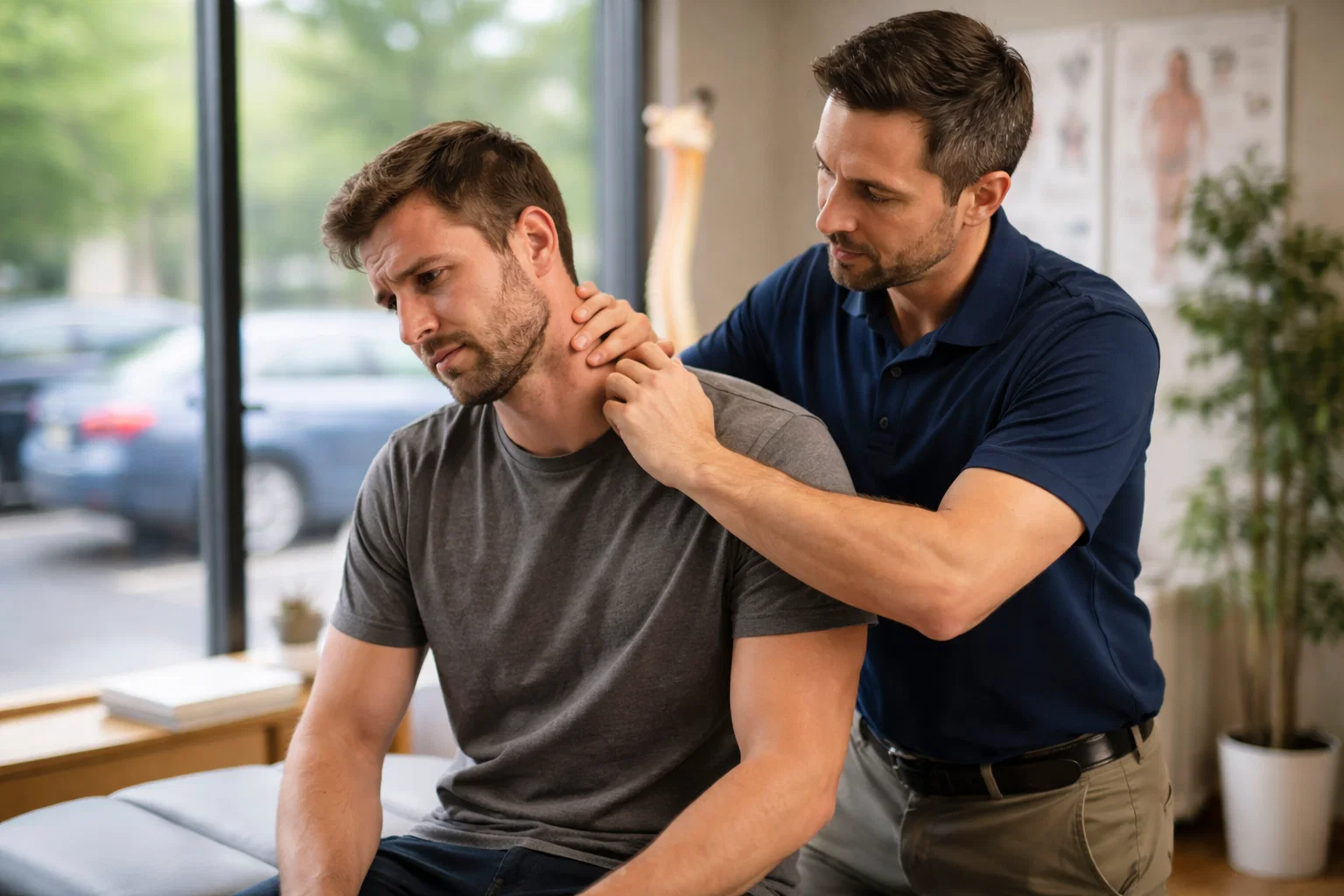
Stop Cracking Your Own Neck in Keizer, Oregon: The Hidden Risks of Self-Adjustment

Neck stiffness and tension are extremely common among adults in Keizer, Oregon. Long hours at a desk, smartphone use, stress, poor posture, sports strain, and even minor injuries can place significant stress on the cervical spine. Because of this discomfort, many people try to Stop Cracking Your Own Neck or look for safer ways to relieve pressure and maintain proper neck health.
When the neck feels tight or restricted, many people instinctively twist or pull their head until they hear a “pop.” While this action may provide temporary relief, repeatedly cracking your own neck can create serious long-term problems.
At ProCare Chiropractic in Keizer, we frequently evaluate patients who developed worsening neck pain, cervical instability, and chronic headaches after months or years of self neck manipulation. Understanding the risks of self-adjustment can help protect your spine and prevent avoidable injury.
What Actually Happens When You Crack Your Neck?
When a person cracks their own neck, they are typically forcing the cervical joints into a position that produces a popping sound.
The sound does not mean bones are moving back into place. Instead, it occurs when:
- Joint capsules stretch
- Pressure inside the joint changes
- Gas bubbles within synovial fluid rapidly release
This process is known as cavitation.
Occasional joint popping during natural movement is generally harmless. The concern arises when individuals repeatedly force their neck into extreme positions to intentionally create that popping sensation.
Why People Feel the Urge to Crack Their Neck
Many people experience a desire to crack their neck because of:
- Neck stiffness
- Muscle tightness
- Reduced range of motion
- Tension headaches
- Desk-related posture strain
- Stress-related muscle guarding
Temporary relief often occurs because:
- Joint pressure briefly changes
- Muscles momentarily relax
- Endorphins (natural pain-relieving chemicals) are released
However, this relief is short-lived and does not correct the underlying issue causing the discomfort.
The Real Risks of Self Neck Adjustments
Adjusting the Wrong Joint
When people manipulate their own neck, they typically move the joints that are already mobile instead of the restricted segments that actually need treatment.
This can lead to:
- Hypermobility (excessive joint movement)
- Persistent joint restriction elsewhere in the spine
- Increased biomechanical imbalance
- Long-term cervical instability
Over time, this pattern may worsen the original problem.
Ligament Damage and Cervical Instability
The ligaments surrounding the cervical spine provide critical stability. Repeated forceful cracking can overstretch these supportive structures.
Possible consequences include:
- Chronic joint instability
- Increased vulnerability to injury
- Persistent neck pain
- Accelerated degenerative changes in the cervical spine
Once ligaments are overstretched, they rarely regain their original strength.
Nerve Irritation
Forceful twisting of the neck can irritate nearby cervical nerve roots.
Symptoms of nerve involvement may include:
- Sharp shooting pain
- Tingling in the arms or hands
- Numbness in the fingers
- Muscle weakness
- Reduced shoulder mobility
Nerve irritation can significantly affect daily activities and may require professional treatment to resolve.
Risk to Cervical Arteries
Major arteries that supply blood to the brain travel through the cervical spine.
Although rare, aggressive or repeated neck twisting can potentially:
- Irritate arterial walls
- Cause small tears in blood vessels
- Contribute to clot formation
- Restrict blood flow
This is one of the primary reasons cervical adjustments should only be performed by trained healthcare professionals.
Neck Pain After a Car Accident Should Never Be Self-Treated
Many individuals attempt to crack their neck after a car accident because of stiffness or tension.
However, vehicle collisions often cause injuries such as:
- Whiplash
- Cervical misalignment
- Soft tissue tears
- Disc irritation
- Ligament sprains
- Nerve compression
Whiplash occurs when the head rapidly snaps backward and forward during impact.
Common symptoms include:
- Neck stiffness
- Headaches
- Shoulder pain
- Dizziness
- Reduced neck mobility
Attempting to crack your neck after an accident may worsen ligament damage and delay proper healing.
Why Professional Chiropractic Adjustments Are Different

Professional chiropractic care involves far more than simply producing a popping sound.
Before performing any adjustment, a chiropractor evaluates the spine through:
- Postural assessment
- Range-of-motion testing
- Neurological screening
- Identification of joint restrictions
- Evaluation for instability or contraindications
Professional adjustments are:
- Precise
- Controlled
- Targeted toward restricted joints
- Performed using safe clinical techniques
Chiropractic care may also include:
- Soft tissue therapy
- Corrective rehabilitation exercises
- Postural retraining
- Ergonomic recommendations
This structured approach addresses the root cause of neck pain rather than temporarily masking symptoms.
Safer Alternatives to Cracking Your Neck
If you frequently feel neck tension, safer strategies include:
- Gentle neck mobility exercises
- Improving workstation ergonomics
- Taking regular movement breaks
- Practicing postural correction
- Applying heat to tight muscles
If stiffness persists, a professional chiropractic evaluation can identify the underlying cause and provide safe treatment.
Long-Term Consequences of Repeated Self-Manipulation
Chronic self neck cracking can contribute to several long-term issues, including:
- Cervical instability
- Early degenerative joint changes
- Chronic headaches
- Persistent nerve irritation
- Compensatory upper back dysfunction
What begins as occasional stiffness may gradually develop into chronic structural problems if left untreated.
Safe Chiropractic Care in Keizer, Oregon
Professional chiropractic care focuses on restoring proper spinal mechanics and long-term stability.
At ProCare Chiropractic in Keizer, treatment aims to:
- Restore spinal alignment
- Improve joint mobility
- Reduce inflammation
- Relieve nerve irritation
- Support long-term musculoskeletal health
Rather than forcing joints to pop, chiropractic adjustments are carefully applied to correct structural dysfunction safely and effectively.
Schedule a Cervical Spine Evaluation in Keizer
If you are experiencing persistent neck stiffness, headaches, or discomfort, professional evaluation can help identify the underlying cause and prevent long-term complications.
Address: 3785 River Rd N. Keizer, OR 97303Book: Online BookingPhone: (971) 414-3440
Contact ProCare Chiropractic today to schedule a cervical spine evaluation and receive safe, professional chiropractic care designed to restore alignment, relieve pain, and protect your long-term spinal health.