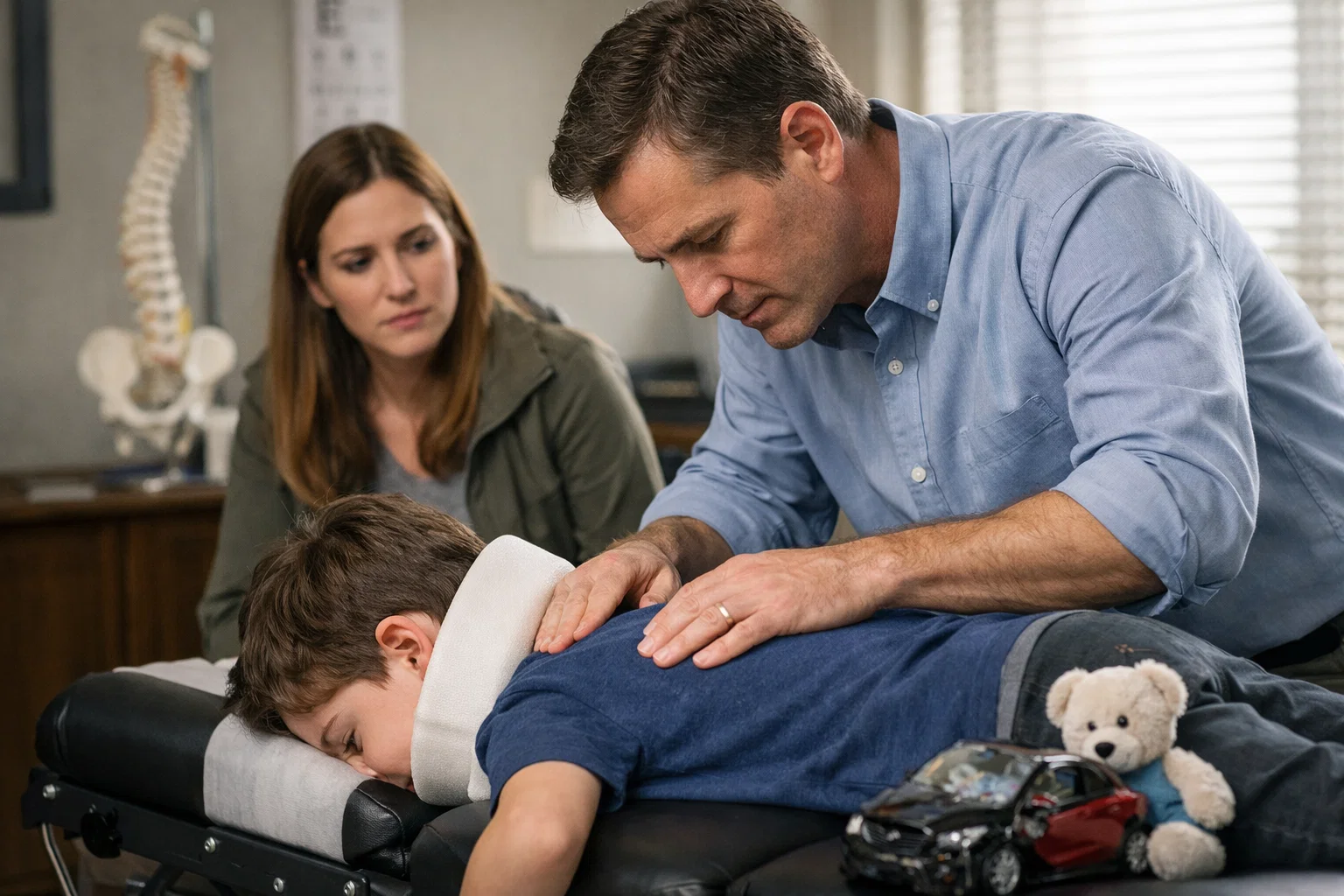
5 Common Delayed Injuries Following an Auto Accident

Car accidents are stressful and physically traumatic — even when they appear minor.
A simple fender bender in Hillsboro can leave drivers shaken. More serious crashes across Oregon in 2026 continue to cause significant musculoskeletal and neurological injuries, including Delayed Auto Accident Injuries.
What many people do not realize is this:
You can be injured even if you feel perfectly fine immediately after the accident.
Symptoms frequently appear days or even weeks later.
At ProCare Chiropractic – Hillsboro, we regularly evaluate patients whose pain developed well after the initial impact. Recognizing delayed injuries early can prevent long-term complications.
Why Do Symptoms Appear Later?
After a collision, your body shifts into survival mode and releases stress hormones such as:
- Adrenaline
- Cortisol
- Endorphins
These chemicals:
- Increase alertness
- Boost energy
- Reduce pain perception
- Heighten focus
This is why many accident victims walk away feeling “okay.”
Once hormone levels normalize, inflammation builds and tissue damage becomes more noticeable.
Soft tissue injuries are especially deceptive because they:
- Do not appear on standard X-rays
- Develop inflammation gradually
- Can worsen over time
Awareness is critical.
5 Most Common Delayed Injuries After a Car Accident
Understanding these warning signs can protect your long-term spinal health.
1. Headaches
A mild headache may not seem serious, but after a car accident it should never be ignored.
Headaches can indicate:
- Whiplash
- Concussion
- Traumatic brain injury (TBI)
- Cervical spine misalignment
- Muscle tension
- Nerve irritation
If headaches are accompanied by:
- Dizziness
- Nausea
- Blurred vision
- Light sensitivity
- Memory problems
Seek medical evaluation immediately.
Persistent headaches often signal structural injury in the neck or brain.
2. Neck, Shoulder, or Back Pain
Pain in the neck, shoulders, or lower back is one of the most common delayed symptoms following a crash in Washington County.
Possible causes include:
- Whiplash
- Herniated discs
- Muscle strains
- Ligament sprains
- Facet joint injury
- Spinal misalignment
- Pinched nerves
Rear-end collisions frequently cause whiplash, with symptoms appearing 24–72 hours later.
Untreated spinal injuries may lead to:
- Chronic pain
- Disc degeneration
- Reduced mobility
- Nerve compression
Early chiropractic evaluation significantly improves recovery outcomes.
3. Abdominal Pain or Discomfort
Delayed abdominal pain can indicate serious internal injury.
Potential warning signs include:
- Deep abdominal pain
- Severe bruising
- Dizziness
- Weakness
- Nausea
These symptoms may suggest:
- Internal bleeding
- Organ trauma
- Seatbelt-related internal bruising
Abdominal pain after a collision should always be evaluated immediately.
4. Numbness or Tingling
Loss of sensation in the arms, hands, legs, or feet often signals nerve involvement.
Common causes include:
- Herniated disc
- Cervical spine trauma
- Lumbar nerve compression
- Pinched nerve
- Spinal cord irritation
Rear-end accidents commonly damage the cervical spine, leading to tingling or numbness in the upper extremities.
If untreated, nerve compression can worsen and cause long-term dysfunction.
Do not ignore these symptoms.
5. Changes in Physical or Personality Function

Some delayed injuries affect neurological function rather than muscles or joints.
Brain injuries may cause:
- Memory problems
- Difficulty concentrating
- Mood swings
- Personality changes
- Slurred speech
- Vision disturbances
- Hearing issues
Motor vehicle accidents remain a leading cause of traumatic brain injuries in 2026.
Even mild concussions can produce delayed cognitive symptoms.
Any noticeable changes in behavior or mental clarity should be evaluated immediately.
Why Soft Tissue Injuries Are Difficult to Detect
Soft tissue injuries involve:
- Muscles
- Tendons
- Ligaments
- Connective tissue
These injuries:
- Often do not show on X-rays
- Develop inflammation gradually
- Can lead to scar tissue formation
Scar tissue reduces flexibility and increases the risk of chronic pain.
Without structured treatment, minor injuries may evolve into long-term dysfunction.
When Should You See a Chiropractor in Hillsboro?
Ideally, you should schedule evaluation within 24–72 hours of a car accident — even if you feel fine.
Chiropractic care helps:
- Detect hidden spinal injuries
- Restore proper alignment
- Reduce inflammation
- Relieve nerve pressure
- Improve joint mobility
- Prevent chronic complications
Early intervention leads to faster recovery and stronger long-term outcomes.
The Long-Term Risks of Ignoring Delayed Injuries
Failing to address symptoms may result in:
- Chronic neck and back pain
- Degenerative disc disease
- Persistent headaches
- Nerve damage
- Reduced range of motion
- Ongoing inflammation
The sooner treatment begins, the better your chances of full recovery.
Protect Your Health After an Auto Accident
Delayed injuries following a car accident are common — and often serious.
You may not feel pain immediately because adrenaline masks symptoms.
The five most common delayed injuries include:
- Headaches
- Neck, shoulder, or back pain
- Abdominal discomfort
- Numbness or tingling
- Cognitive or personality changes
If you’ve recently been involved in a crash in Hillsboro, do not rely solely on how you feel in the moment.
Early medical and chiropractic evaluation can prevent months — or even years — of unnecessary pain.
Schedule a Post-Accident Evaluation Today
Address: 329 SE 3rd Avenue, Hillsboro, OR 97123Book: Online BookingPhone: (503) 899-0707
If you were involved in a car accident — even a minor one — call today to schedule a comprehensive evaluation. Early diagnosis protects your spine, your mobility, and your long-term health.