Why You Should Never Try to Treat Your Own Injuries After a Car Accident
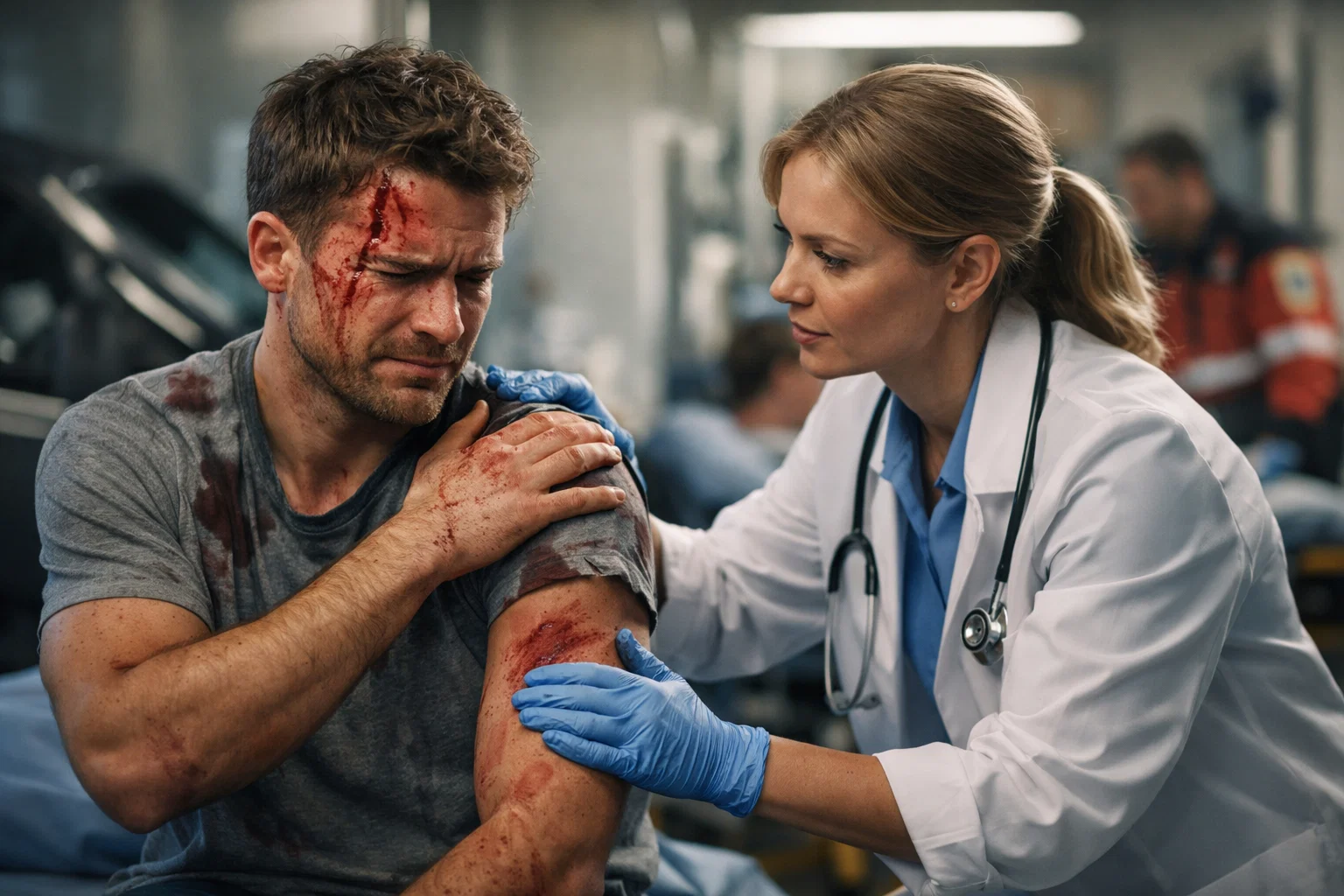
Resting, stretching, taking over-the-counter pain medication, or attempting self “back cracking” may seem harmless. In reality, self-treatment after a collision can delay healing, worsen structural damage, and negatively affect insurance or personal injury claims.
At ProCare Chiropractic – Sherwood, we regularly treat patients who initially tried to self-manage their injuries — only to seek professional care weeks later with worsening pain and complications.
The Dangerous Myth of “Minor” Car Accident Injuries
One of the most common misconceptions is that only high-speed crashes cause injury. In truth, even low-speed collisions can generate significant force on the human body within milliseconds.
A rear-end accident at 5–10 mph can cause:
- Whiplash
- Cervical spine misalignment
- Disc injuries
- Soft tissue tears
- Nerve irritation
Your vehicle may absorb some impact — but your spine absorbs the rest.
An experienced auto accident chiropractor in Sherwood understands how even small crashes can create serious musculoskeletal damage.
Why People Attempt Self-Treatment After a Car Accident
Many accident victims delay professional care because they:
- Feel “fine” immediately after the crash
- Want to avoid medical expenses
- Assume symptoms will resolve on their own
- Rely on pain medication for temporary relief
- Underestimate internal injuries
Adrenaline often masks pain during the first hours or days after a collision. By the time stiffness, inflammation, or nerve symptoms appear, damage may already be progressing.
3 Critical Reasons You Should Never Attempt Self-Chiropractic Care
1. Car Accident Injuries Are Often More Severe Than They Appear
Without proper clinical evaluation, it is impossible to determine the true extent of injury.
Common injuries frequently missed during self-assessment include:
- Spinal misalignment
- Disc bulges or herniations
- Ligament tears
- Facet joint injuries
- Nerve compression
Only a licensed chiropractor in Sherwood, OR can properly assess:
- Structural stability
- Neurological involvement
- Whether imaging (X-ray or MRI) is required
- The safest treatment approach
Self-diagnosis often results in delayed treatment and prolonged recovery.
2. Self-Treatment Can Worsen the Injury
Attempting to “adjust” your own neck or back, aggressively stretching injured tissue, or returning to full activity too quickly can significantly worsen trauma-related injuries.
Potential risks include:
- Increased inflammation
- Ligament instability
- Worsening disc damage
- Increased nerve compression
- Development of chronic pain
The spine is a complex, interconnected structure. Improper manipulation after trauma can destabilize already injured joints.
Professional chiropractic care uses:
- Controlled, precise spinal adjustments
- Gentle mobilization techniques
- Evidence-based rehabilitation protocols
A trusted Sherwood chiropractic clinic prioritizes safe, progressive healing — not forceful self-manipulation.
3. Self-Treatment Creates No Medical Documentation
This is one of the most costly mistakes accident victims make.
If you:
- Delay professional evaluation
- Treat injuries at home
- Do not seek immediate care
You create no official medical record linking your injuries to the accident.
This can negatively impact:
- Oregon PIP insurance benefits
- Personal injury claims
- Legal settlements
- Reimbursement for medical expenses
Insurance companies may argue that:
- Injuries were pre-existing
- Injuries were unrelated to the crash
- Treatment was unnecessary due to delayed care
Seeking early care from a personal injury chiropractor in Sherwood establishes:
- Objective clinical findings
- Clear accident-to-injury timelines
- Proper documentation
- Verified medical necessity
Why Professional Chiropractic Care Is Essential After a Car Accident
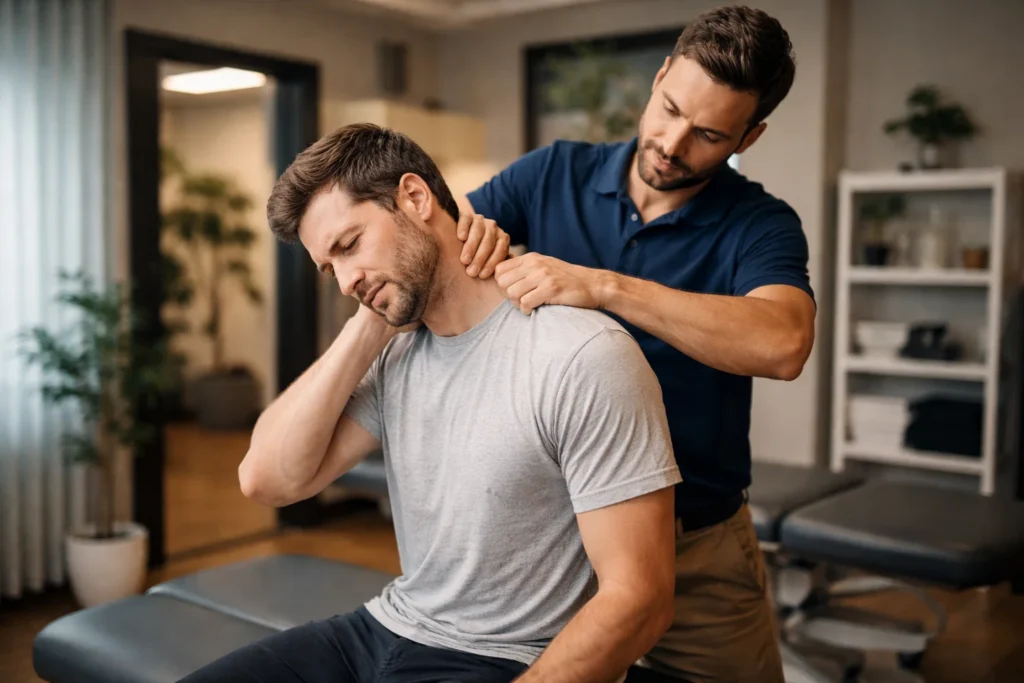
Chiropractic care is uniquely suited for treating car accident injuries because it focuses on:
- Spinal alignment
- Nervous system function
- Soft tissue healing
- Non-invasive recovery
Common post-accident conditions treated include:
- Whiplash
- Neck and back pain
- Disc injuries
- Headaches and migraines
- Joint dysfunction
- Nerve compression
Early car accident injury treatment in Sherwood, Oregon significantly reduces the risk of long-term complications.
The Hidden Dangers of Delayed Treatment
When injuries are left untreated:
- Scar tissue forms improperly
- Mobility decreases
- Pain patterns become chronic
- Degenerative changes accelerate
Untreated spinal trauma may result in:
- Chronic neck and back pain
- Permanent range-of-motion loss
- Postural abnormalities
- Long-term nerve irritation
The longer treatment is delayed, the more complex and prolonged recovery becomes.
What to Expect During a Professional Auto Accident Evaluation
At ProCare Chiropractic – Sherwood, your evaluation includes:
- Detailed accident history
- Postural analysis
- Range-of-motion testing
- Neurological and orthopedic examinations
- Imaging referrals when clinically necessary
This comprehensive approach ensures that hidden injuries are identified early and treated appropriately.
Oregon PIP Insurance and Chiropractic Care
Oregon operates under Oregon PIP insurance, which typically covers chiropractic treatment after a motor vehicle accident — regardless of fault.
Prompt professional evaluation helps:
- Activate PIP benefits
- Establish medical necessity
- Protect your legal rights
- Ensure access to full treatment
Our Sherwood clinic assists patients with insurance documentation and coordination of care to streamline the recovery process.
Schedule a Professional Auto Accident Evaluation in Sherwood, Oregon
If you have been involved in a car accident in Sherwood — no matter how minor — do not attempt to treat your injuries on your own.
ProCare Chiropractic – Sherwood
Call (971) 396-3013 today to schedule a comprehensive auto accident evaluation with a trusted auto accident chiropractor in Sherwood.
Early professional chiropractic care can relieve pain, restore mobility, protect your insurance claim, and prevent long-term complications.
Trying to manage injuries alone may seem convenient — but expert, structured care makes the difference between temporary discomfort and chronic pain.