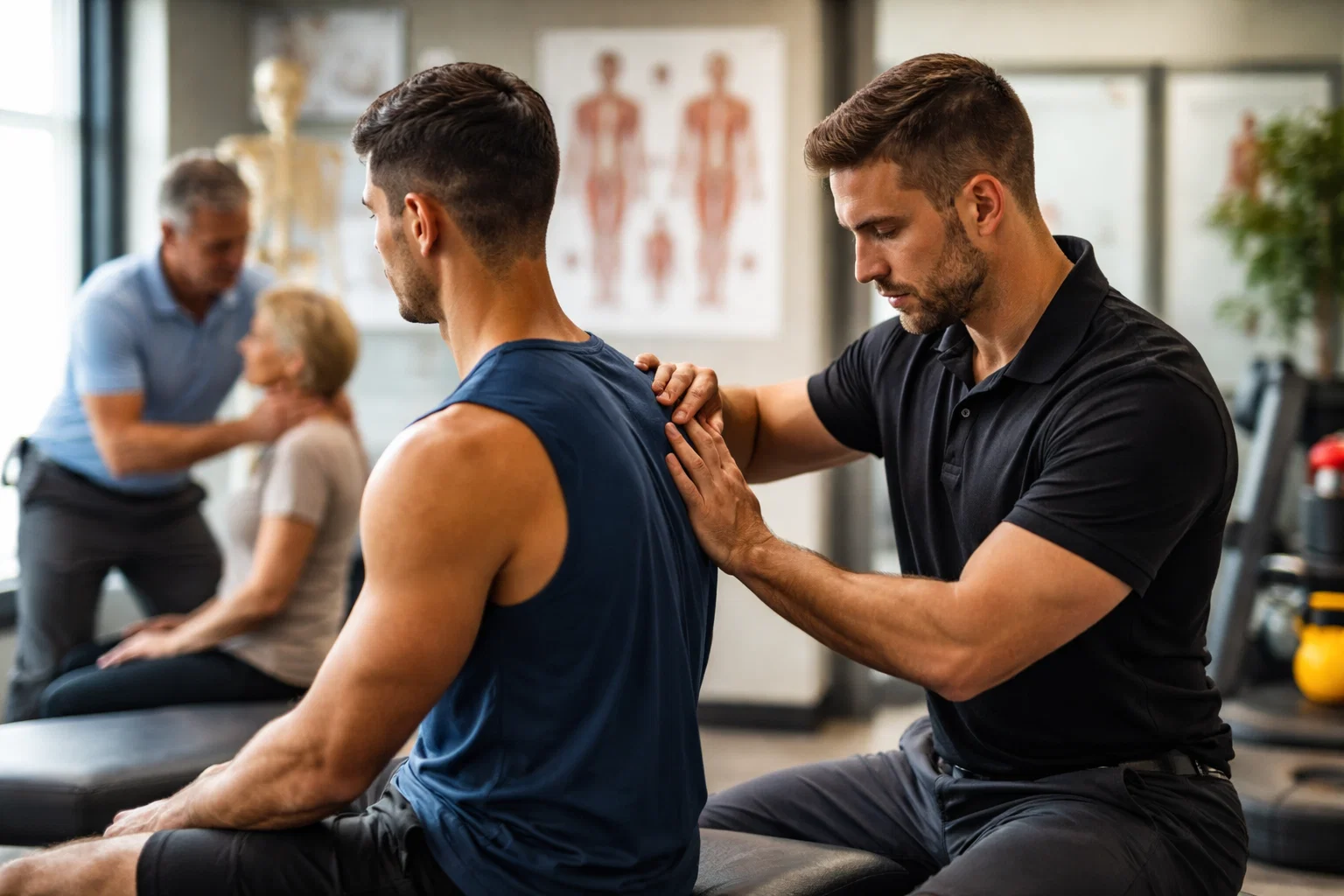
Neuromuscular Massage Therapy in Chiropractic Care in Portland, OR: Benefits, Techniques, and Clinical Advantages
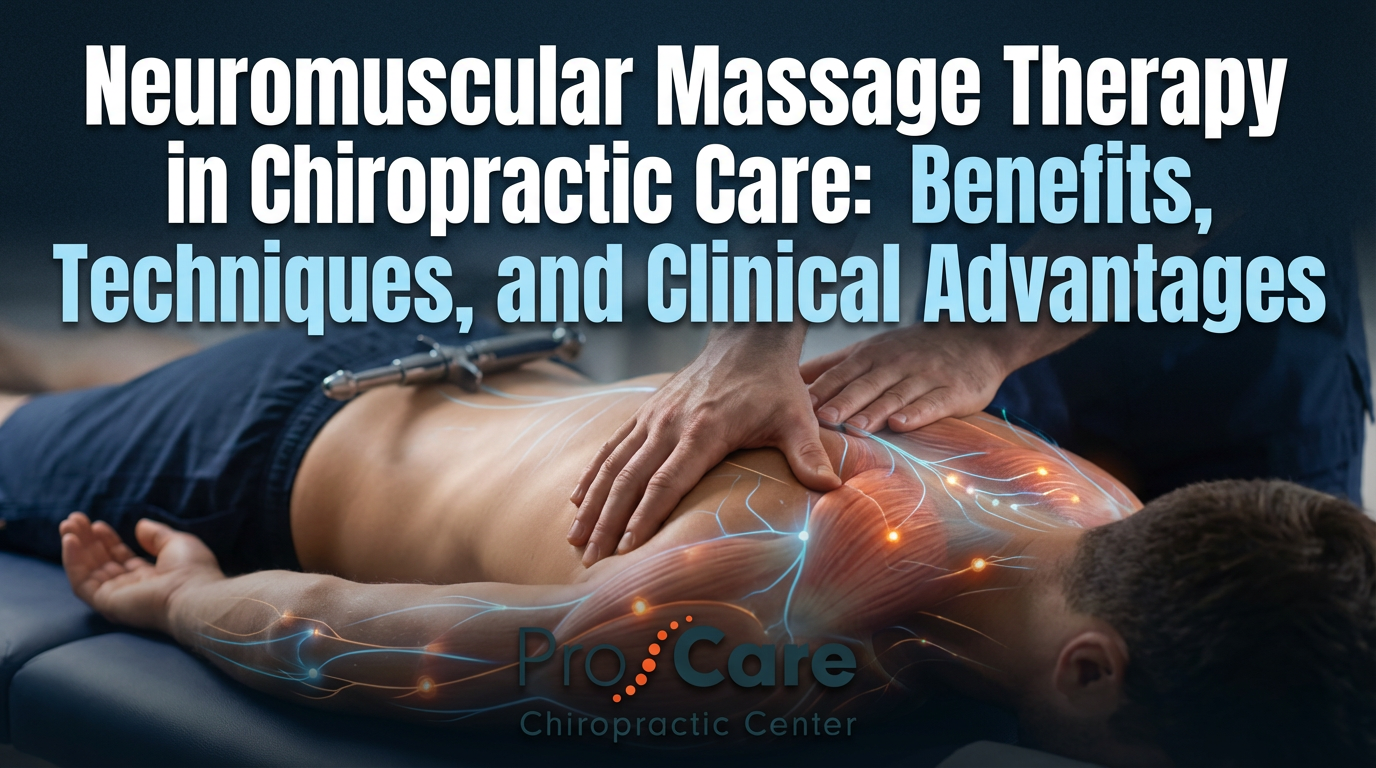
Neuromuscular massage therapy has become an increasingly valuable component of modern chiropractic care. While many patients associate chiropractic treatment primarily with spinal adjustments, true musculoskeletal rehabilitation often requires more than joint manipulation alone. Muscles, fascia, and nerves all play critical roles in pain, dysfunction, and recovery.
Neuromuscular massage therapy (NMT) is a targeted, clinically focused technique designed to address trigger points, muscular imbalances, nerve compression, and chronic tension patterns. When integrated into chiropractic treatment plans, it enhances outcomes, improves mobility, reduces pain, and accelerates healing.
Understanding how neuromuscular massage works — and why it complements chiropractic adjustments — can help patients make informed decisions about their treatment options.
Enhance your recovery with Neuromuscular Massage Therapy at ProCare Chiropractic Clinic in Portland, OR. We target trigger points to boost your adjustment results.
What Is Neuromuscular Massage Therapy?
Neuromuscular massage therapy is a specialized form of soft tissue treatment that focuses on:
- Myofascial trigger points
- Muscle spasms
- Nerve compression
- Circulatory restriction
- Biomechanical imbalances
Unlike general relaxation massage, neuromuscular therapy is precise and corrective. It involves applying sustained, targeted pressure to specific points within muscle tissue to relieve tension and restore proper function.
Trigger points — often described as “knots” — can refer pain to other areas of the body. For example:
- A trigger point in the neck may cause headaches.
- Tight shoulder muscles may refer pain down the arm.
- Hip muscle tension may contribute to lower back pain.
Neuromuscular massage aims to deactivate these trigger points and normalize muscle tone.
The Chiropractic Perspective: Why Muscles Matter
Chiropractic care centers on spinal alignment and nervous system function. However, the spine does not operate independently. It is supported and stabilized by a complex network of muscles and connective tissues.
When muscles are tight, shortened, or imbalanced, they can:
- Pull vertebrae out of alignment
- Restrict joint mobility
- Compress nerves
- Reduce circulation
- Limit the effectiveness of spinal adjustments
Neuromuscular massage addresses the muscular component of dysfunction. By releasing tension before or after an adjustment, chiropractors can achieve more stable and lasting results.
A spine cannot remain properly aligned if surrounding muscles are constantly pulling it out of position.
How Neuromuscular Massage Enhances Chiropractic Adjustments

When neuromuscular massage is integrated into chiropractic care, several benefits occur:
1. Improved Adjustment Effectiveness
Relaxed muscles allow joints to move more freely. This enables chiropractors to perform adjustments with greater precision and less resistance.
2. Increased Blood Flow
Targeted pressure stimulates circulation, delivering oxygen and nutrients to injured tissues while removing metabolic waste.
3. Reduced Inflammation
By restoring proper muscle tone and nerve communication, neuromuscular therapy can help reduce inflammatory responses associated with chronic tension.
4. Enhanced Range of Motion
Tight fascia and contracted muscles restrict mobility. Releasing these restrictions allows patients to move more comfortably and naturally.
5. Longer-Lasting Results
Addressing both skeletal and muscular components reduces the likelihood of rapid relapse following treatment.
Conditions Commonly Treated with Neuromuscular Massage
Neuromuscular therapy can be particularly effective for patients suffering from:
- Chronic back pain
- Neck stiffness
- Shoulder dysfunction
- Sciatica
- Carpal tunnel syndrome
- Hip pain
- Knee pain
- Plantar fasciitis
- Temporomandibular joint (TMJ) dysfunction
- Chronic tension headaches
Because it targets muscular and nerve-related dysfunction, neuromuscular massage is often recommended when pain persists despite conventional massage therapy.
Trigger Points and Referred Pain Patterns
One of the defining features of neuromuscular massage therapy is its focus on trigger points.
Trigger points are hyperirritable spots within skeletal muscle that can:
- Cause localized pain
- Refer pain to distant areas
- Reduce muscle strength
- Limit coordination
For example:
- Upper trapezius trigger points may contribute to migraines.
- Piriformis muscle tension may irritate the sciatic nerve.
- Calf muscle tightness may alter gait mechanics.
By applying sustained, controlled pressure, neuromuscular therapy deactivates these trigger points and restores normal neuromuscular communication.
Collaboration Between Chiropractors and Massage Therapists
In many integrative clinics, chiropractors work closely with licensed massage therapists trained in neuromuscular techniques.
This collaboration creates a comprehensive treatment approach:
- Chiropractors address spinal alignment and joint mechanics.
- Massage therapists address muscular tension and fascial restrictions.
Together, they:
- Improve patient satisfaction
- Reduce chronic pain recurrence
- Enhance rehabilitation outcomes
- Shorten recovery time
This team-based model is especially beneficial for patients with long-standing musculoskeletal dysfunction.
Enhanced Circulation and Healing Potential
Neuromuscular massage stimulates the body’s natural healing processes.
Through improved blood flow and lymphatic drainage, the body can:
- Deliver nutrients more efficiently
- Remove inflammatory byproducts
- Reduce tissue adhesions
- Promote faster muscle recovery
This is particularly valuable for:
- Athletes recovering from overuse injuries
- Patients rehabilitating after auto accidents
- Individuals with repetitive strain conditions
Improved circulation supports both short-term relief and long-term tissue health.
Chronic Pain Management Without Medication
One of the most important advantages of combining chiropractic care and neuromuscular massage is the ability to manage chronic pain without reliance on medication.
Rather than masking symptoms, this approach addresses:
- Structural misalignment
- Muscle imbalance
- Nerve irritation
- Poor biomechanics
By targeting the underlying cause, patients often experience:
- Reduced dependence on pain relievers
- Fewer flare-ups
- Greater mobility
- Improved sleep
- Enhanced mental clarity
Chronic pain frequently involves both skeletal and muscular dysfunction — making a dual-modality approach highly effective.
Athletic Performance and Injury Prevention
Athletes benefit significantly from neuromuscular massage integrated with chiropractic care.
Performance improvements may include:
- Increased flexibility
- Improved muscle coordination
- Enhanced neuromuscular control
- Faster recovery between training sessions
- Reduced injury risk
Muscle imbalances can alter biomechanics, placing excess stress on joints. Addressing these imbalances helps optimize movement patterns and prevent overuse injuries.
For competitive athletes, small structural corrections can lead to measurable performance gains.
Personalized and Patient-Centered Care
Every patient’s musculoskeletal system is unique. Neuromuscular massage allows for individualized treatment that adapts to specific tension patterns and movement limitations.
Personalized treatment plans may include:
- Targeted trigger point therapy
- Corrective exercises
- Postural retraining
- Ergonomic recommendations
- Lifestyle modifications
This comprehensive approach aligns with preventative healthcare principles — empowering patients to participate actively in their recovery.
Preventative Health and Long-Term Wellness
Neuromuscular massage is not only corrective — it is preventative.
Regular care can:
- Reduce cumulative muscle tension
- Prevent stress-related postural collapse
- Improve nervous system efficiency
- Enhance overall mobility
- Decrease the likelihood of future injury
When combined with chiropractic adjustments, patients experience improved structural balance and muscular harmony.
Prevention is often more cost-effective — and more comfortable — than reactive treatment.
The Synergy of Spine and Muscle Health
Optimal health requires harmony between:
- Skeletal alignment
- Muscular balance
- Nervous system function
Chiropractic adjustments restore structural integrity.
Neuromuscular massage restores muscular function.
Together, they create a synergistic effect that supports whole-body wellness.
Rather than viewing these therapies separately, modern integrative care recognizes that lasting relief requires addressing both joint and soft tissue components simultaneously.
Final Thoughts: A Holistic Path to Healing
Neuromuscular massage therapy is far more than a relaxation technique. It is a clinically focused, corrective modality that enhances chiropractic care and supports long-term musculoskeletal health.
By addressing trigger points, muscular tension, and nerve interference, it:
- Improves adjustment outcomes
- Accelerates healing
- Reduces chronic pain
- Enhances mobility
- Promotes preventative wellness
When spine and muscle systems function in harmony, patients experience greater vitality, reduced discomfort, and improved quality of life.
For individuals seeking comprehensive, drug-free care that treats the root cause — not just the symptoms — integrating neuromuscular massage into chiropractic therapy offers a powerful and effective solution.
Address: 10915 SE Stark St. Suite 200, Portland, OR 97216Book: Online BookingPhone: (503) 899-0707