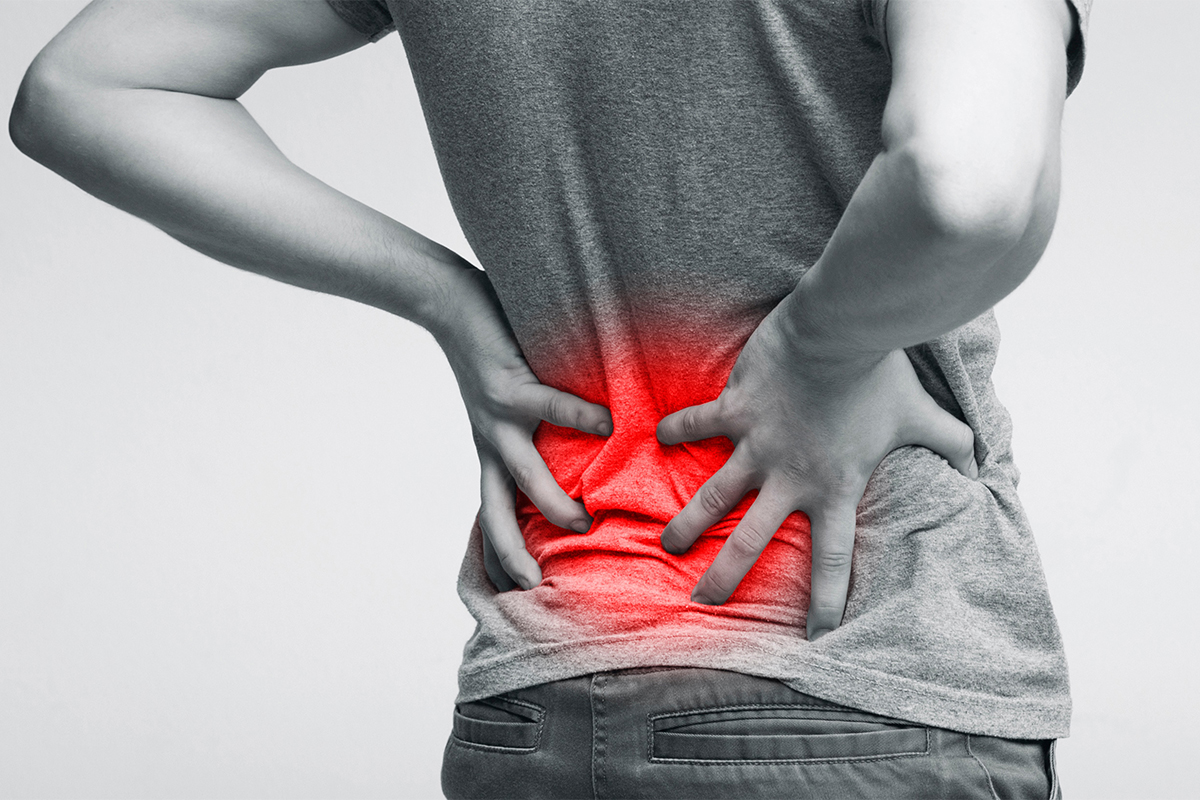
Signs You May Have a Slipped Disc After a Car Accident in Hillsboro, Oregon
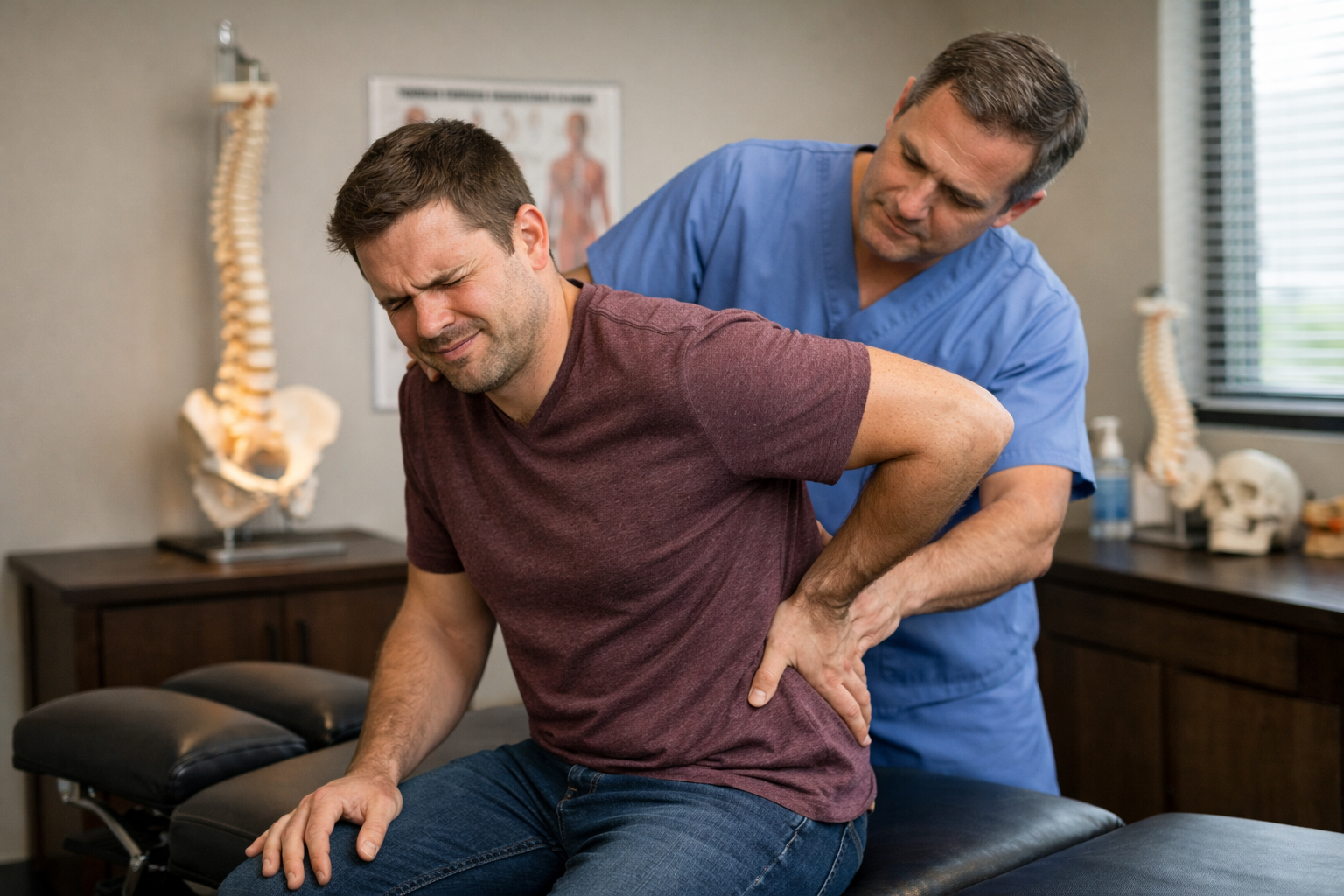
After a car accident in Hillsboro or anywhere in Washington County, Oregon, it is common to feel shaken but assume you are “fine.” Unfortunately, adrenaline and shock often mask symptoms of serious spinal injuries, including a slipped disc after a car accident. In the days that follow, stiffness and soreness may gradually intensify.
One of the most commonly overlooked auto accident injuries is a slipped disc, also called a herniated or bulging disc. When left untreated, this condition can progress into chronic back pain, nerve damage, sciatica, and long-term mobility problems.
At ProCare Chiropractic – Hillsboro, we frequently evaluate patients who did not realize their post-accident discomfort was caused by disc injury. Recognizing the warning signs early can significantly improve recovery outcomes.
What Is a Slipped Disc?
Your spine is made up of vertebrae separated by intervertebral discs. These discs act as shock absorbers and allow flexibility.
Each disc has:
- A tough outer layer (annulus fibrosus)
- A soft, gel-like inner center (nucleus pulposus)
During a motor vehicle accident, sudden acceleration-deceleration forces can:
- Tear the outer disc layer
- Push the inner material outward
- Cause the disc to bulge or rupture
- Compress nearby spinal nerves
When nerve compression occurs, symptoms often radiate beyond the spine itself.
If you have recently been in a car accident in Hillsboro and are experiencing the symptoms below, a slipped disc may be the cause.
1. Numbness or Tingling in the Arms or Legs
One of the earliest signs of a herniated disc is altered sensation.
You may notice:
- Pins-and-needles in the hands
- Tingling traveling down one arm
- Numbness in the foot or toes
- Burning sensations along one side of the body
These symptoms occur when a bulging disc compresses a spinal nerve root. Nerve pressure disrupts normal signal transmission, causing sensory changes.
Importantly, these symptoms may not appear until hours or days after the accident.
2. Muscle Weakness
When nerves are compressed, they cannot properly communicate with muscles.
You might experience:
- Difficulty gripping objects
- Weakness when lifting items
- Leg instability
- Frequent stumbling
- Reduced coordination
Muscle weakness following an auto accident is a serious red flag and may indicate nerve involvement from a disc injury.
The longer compression persists, the greater the risk of long-term dysfunction.
3. Radiating Leg Pain (Sciatica)
A slipped disc in the lumbar spine commonly leads to sciatic nerve pain.
Symptoms may include:
- Sharp shooting pain down one leg
- Dull aching in the lower back and hip
- Pain worsening while sitting
- Electric shock-like sensations
- Partial loss of sensation in the leg
Sciatica after a car accident is frequently caused by disc herniation rather than simple muscle strain.
Radiating pain is one of the strongest indicators of nerve compression.
4. Pain That Worsens at Night
Many patients report increased disc-related pain when lying down.
This occurs because:
- Certain sleep positions increase nerve pressure
- Spinal discs rehydrate and slightly expand overnight
- Reduced movement increases stiffness
If you find yourself waking frequently due to back or leg pain, disc injury may be present.
Changing sleep position may provide temporary relief—but proper evaluation is essential.
5. Pain When Coughing, Sneezing, or Bending
One classic sign of a slipped disc is sharp pain triggered by minor movements.
You may feel sudden discomfort when:
- Sneezing
- Coughing
- Laughing
- Bending forward
- Twisting your torso
These actions increase pressure inside the spinal canal, temporarily intensifying nerve compression.
If everyday movements produce sharp or electric pain after an accident, a herniated disc should be ruled out.
Why a Slipped Disc After a Car Accident Is Often Missed
Disc injuries are commonly overlooked because:
- Inflammation peaks 24–72 hours after trauma
- Muscle soreness masks more serious damage
- Adrenaline suppresses pain signals
- Symptoms develop gradually
Many people assume their discomfort is “just whiplash” or muscle strain. However, untreated disc injuries may worsen over time and contribute to chronic spinal degeneration.
Early chiropractic evaluation is critical.
Can a Slipped Disc Heal?
In many cases, herniated discs respond well to conservative chiropractic care.
Treatment may help:
- Reduce inflammation
- Improve spinal alignment
- Decrease nerve pressure
- Restore mobility
- Relieve radiating pain
Ignoring a disc injury, however, can result in chronic nerve irritation and long-term disability.
When to Seek Immediate Evaluation
You should seek professional care right away if you experience:
- Persistent numbness
- Progressive muscle weakness
- Radiating arm or leg pain
- Loss of coordination
- Difficulty controlling bladder or bowel function (medical emergency)
Even mild symptoms deserve evaluation following an accident.
Why Early Chiropractic Care Matters After a Crash
Chiropractic care for slipped discs focuses on:
- Spinal alignment correction
- Reducing disc pressure
- Improving joint mobility
- Supporting nerve function
- Controlled rehabilitation
In Oregon, auto accident injuries are often covered under PIP (Personal Injury Protection) insurance, meaning you may receive care with little or no out-of-pocket cost.
Early intervention significantly improves recovery timelines and reduces the risk of chronic pain.
Do Not Ignore Post-Accident Back Pain
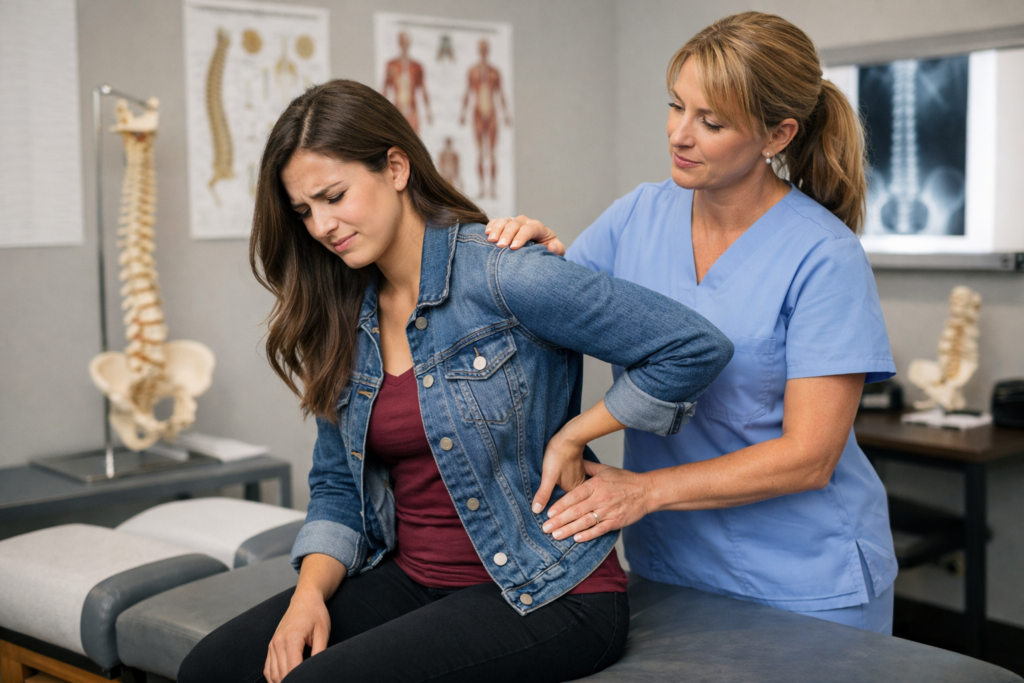
A slipped disc after a car accident can interfere with:
- Sleep
- Work performance
- Daily movement
- Exercise
- Long-term mobility
But with timely diagnosis and structured care, recovery is possible.
If you have been involved in a car accident in Hillsboro and suspect a disc injury, do not wait for symptoms to worsen.
Schedule Your Auto Accident Evaluation Today
ProCare Chiropractic – Hillsboro
Address: 329 SE 3rd Avenue, Hillsboro, OR 97123Book: Online BookingPhone: (503) 899-0707
If you are experiencing numbness, sciatica, back pain, or weakness after a crash, call today to schedule a comprehensive spinal evaluation. Early care can prevent long-term damage and restore your mobility safely and effectively.