Restore Mobility After a Car Accident: How Chiropractic Care Helps You Recover Faster in Portland, OR
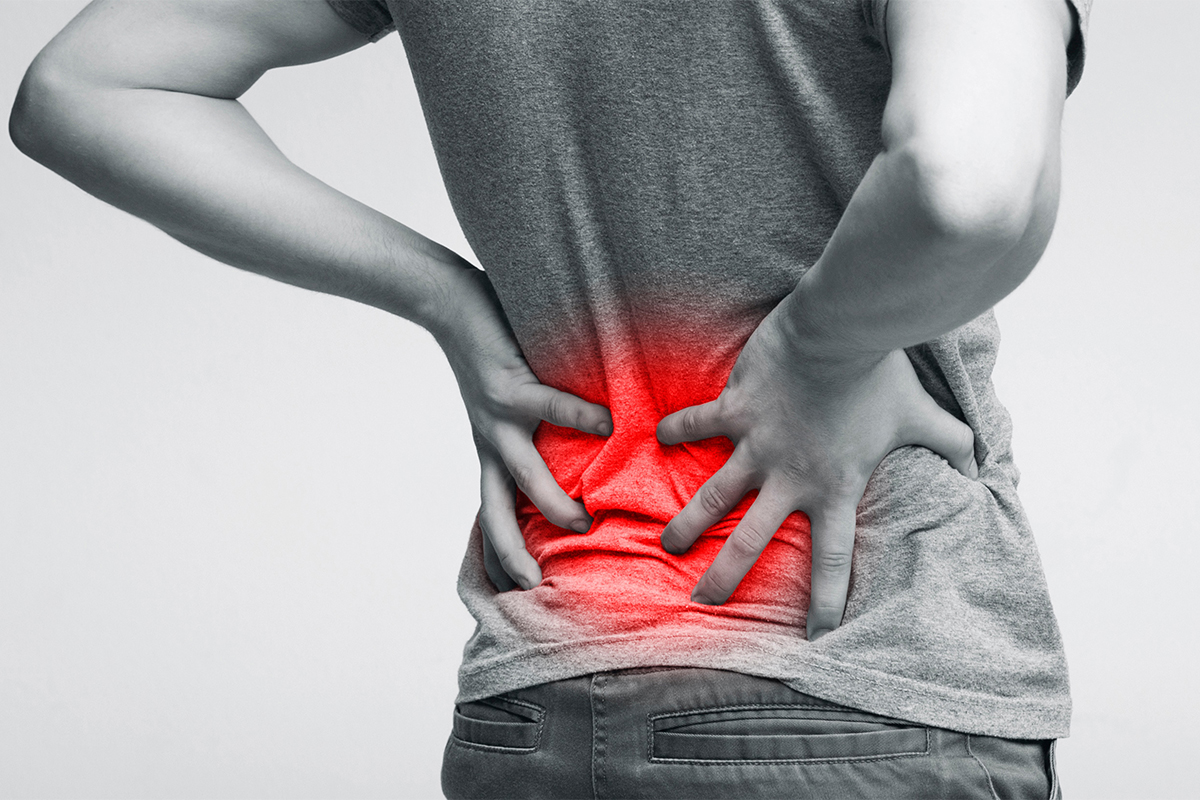
Car accidents are an unfortunate reality on Portland roads. Whether it’s a minor fender bender on SE Stark Street or a more serious highway collision, even low-speed crashes can cause injuries that interfere with your mobility. Many people walk away from an accident believing they are fine — only to experience back pain, stiffness, and restricted movement hours or even days later.
Recover your range of motion after an auto collision at ProCare Chiropractic Clinic in Portland, OR. We offer natural, drug-free treatments for injury stiffness.
Why Mobility Issues Often Appear After an Accident
Immediately after a collision, your body releases adrenaline and other stress hormones. These chemicals can temporarily mask pain and inflammation. You may feel alert and stable at the scene, only to develop:
- Neck stiffness
- Lower back pain
- Shoulder tightness
- Limited range of motion
- Difficulty bending or turning
Delayed symptoms are extremely common after auto accidents. That is why early evaluation is critical — even if you initially feel “fine.”
Common Car Accident Injuries That Affect Mobility
Mobility limitations usually stem from damage to the musculoskeletal system. Some of the most common injuries include:
Whiplash
Whiplash is the most frequently diagnosed car accident injury. It occurs when the head snaps forward and backward rapidly, placing strain on the cervical spine.
Whiplash can lead to:
- Neck stiffness
- Reduced rotation
- Shoulder tension
- Headaches
- Upper back pain
Without treatment, whiplash may cause chronic mobility issues.
Muscle, Ligament, and Nerve Damage
Your spine is supported by a complex network of muscles, ligaments, and nerves. During a collision:
- Muscles may overstretch or tear
- Ligaments may strain
- Nerves may become irritated or compressed
Even minor soft tissue injuries can significantly restrict movement and create pain with daily activities.
Herniated or Bulging Discs
Between each vertebra are soft discs that absorb shock and allow flexibility. A sudden impact can force a disc out of position.
A herniated disc may cause:
- Sharp back pain
- Radiating leg or arm pain
- Numbness or tingling
- Weakness
- Reduced flexibility
Disc injuries often worsen if not treated early.
How Chiropractic Care Restore Mobility After Car Accident
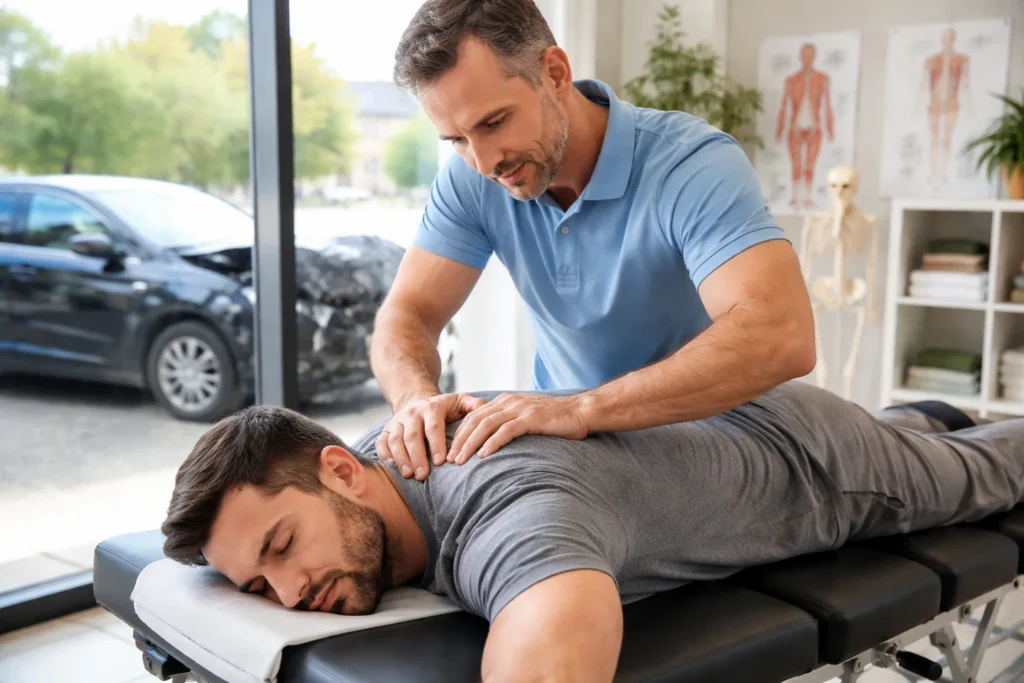
Chiropractic treatment focuses on correcting the underlying mechanical problems that restrict movement — not simply masking symptoms.
1. Spinal Adjustments to Restore Alignment
After a car accident, joints in the spine can become restricted or misaligned. These restrictions limit motion and increase inflammation.
Chiropractic adjustments:
- Improve joint movement
- Reduce nerve irritation
- Decrease stiffness
- Restore natural spinal alignment
As alignment improves, range of motion gradually returns.
2. Reducing Inflammation Naturally
Inflammation is a common response to trauma. While it plays a role in healing, excessive inflammation can:
- Cause swelling
- Restrict joint mobility
- Increase muscle tension
- Delay recovery
Chiropractic techniques help regulate inflammation by improving circulation and promoting natural healing mechanisms — without relying on long-term medication.
3. Soft Tissue Therapy
Muscle tightness and scar tissue can limit movement long after the initial injury.
Soft tissue treatments may include:
- Targeted muscle therapy
- Trigger point work
- Myofascial release
- Gentle stretching
These therapies:
- Break down scar tissue
- Improve flexibility
- Increase blood flow
- Support faster healing
4. Rehabilitation Exercises
As pain decreases, corrective exercises are introduced to strengthen stabilizing muscles.
Rehabilitation focuses on:
- Core strength
- Neck stabilization
- Postural correction
- Controlled mobility training
This step is essential for preventing re-injury and ensuring long-term mobility.
Why Medication Alone Is Not Enough
Pain medication can temporarily reduce discomfort, but it does not correct:
- Joint misalignment
- Muscle imbalance
- Disc displacement
- Restricted movement
In many cases, medication masks symptoms while the underlying mechanical problem remains.
Chiropractic care addresses the source of the issue — helping restore function rather than simply suppressing pain.
The Long-Term Benefits of Early Chiropractic Treatment
When mobility is restored early, patients often experience:
- Faster recovery
- Reduced risk of chronic pain
- Improved posture
- Better balance
- Lower risk of degenerative changes
Delaying treatment increases the likelihood of scar tissue formation and long-term stiffness.
Chiropractic Care After a Car Accident in Portland, OR
If you’ve been in a car accident in Portland, seeking evaluation as soon as possible can protect your long-term spinal health.
At ProCare Chiropractic Clinic, we provide comprehensive assessments for auto accident injuries, including:
- Range-of-motion testing
- Neurological screening
- Spinal alignment evaluation
- Customized mobility restoration plans
Our goal is to help you return to full strength safely and efficiently.
ProCare Chiropractic Clinic
Address: 10915 SE Stark St. Suite 200, Portland, OR 97216Book: Online BookingPhone: (503) 899-0707
Don’t Ignore Limited Mobility After a Crash
If you are experiencing stiffness, back pain, neck tightness, or reduced flexibility after a car accident, do not assume it will resolve on its own.
Mobility loss is often a sign of underlying structural injury. Early chiropractic care can reduce inflammation, restore joint motion, and help you return to your normal activities faster — without unnecessary medications or invasive procedures.
If you’ve recently been in an accident in Portland, schedule an evaluation and take the first step toward full mobility recovery.