Signs You May Have a Slipped Disc After a Car Accident In Portland, OR
Think you have a herniated disc from a crash? ProCare Chiropractic Clinic in Portland, OR helps you identify the warning signs and provides expert spinal repair.
Understanding the warning signs early can make a significant difference in your recovery.
What Is a Slipped Disc?
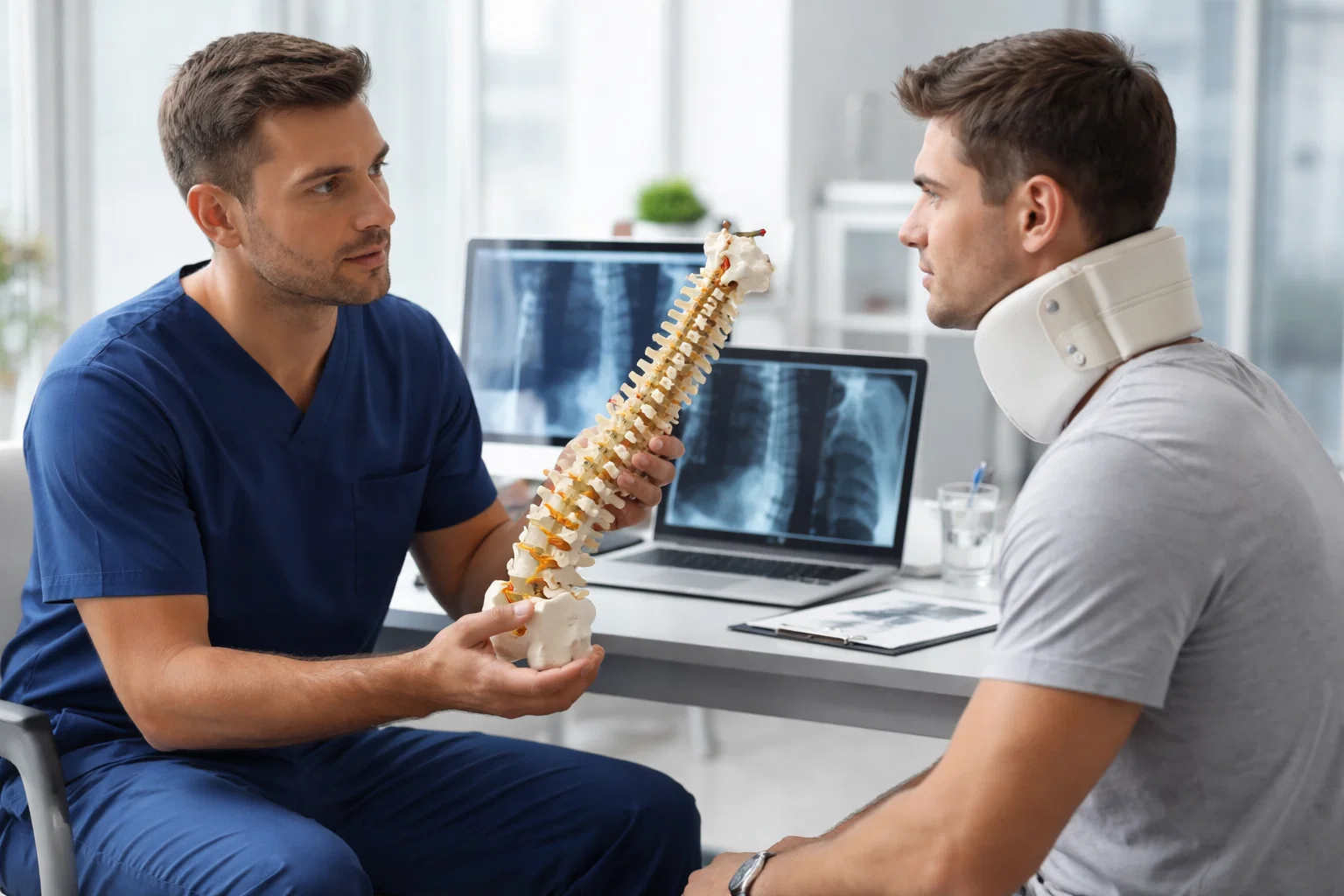
Your spine is made up of bones called vertebrae. Between each vertebra sits a spinal disc—a tough, rubbery outer ring surrounding a soft, gel-like center. These discs act as shock absorbers, protecting your spine and allowing flexible movement.
During a car accident, sudden force can:
- Tear the outer layer of the disc
- Push the inner material outward
- Cause the disc to bulge or rupture
- Compress nearby spinal nerves
When a disc presses on a nerve, symptoms can radiate far beyond the spine itself.
If you’ve recently been in an auto accident and are experiencing any of the symptoms below, you may have a slipped disc.
1. Numbness and Tingling in the Arms or Legs
One of the earliest signs of a herniated disc is numbness or tingling in the limbs.
You may notice:
- Pins-and-needles sensations in your hands
- Tingling that travels down one arm
- Numbness in your foot or toes
- A “burning” sensation along one side of your body
These symptoms often occur because the slipped disc is compressing a spinal nerve. Nerve pressure disrupts normal signal transmission, causing altered sensation.
This may appear hours or even days after your accident.
2. Muscle Weakness
When nerves are compressed, they cannot properly communicate with the muscles they control.
You might notice:
- Difficulty gripping objects
- Trouble lifting everyday items
- Frequent stumbling
- Leg weakness
- Reduced coordination
Muscle weakness following a car accident should never be ignored. It may indicate nerve involvement from a herniated disc.
The longer nerve compression continues, the greater the risk of long-term dysfunction.
3. Radiating Leg Pain (Sciatica)
A slipped disc in the lower back (lumbar spine) can lead to a condition commonly referred to as sciatica.
Symptoms may include:
- Sharp or shooting pain down one leg
- Dull aching in the lower back and hip
- Pain that worsens when sitting
- Electric shock-like sensations
- Loss of sensation in the leg
Sciatic nerve pain is often misunderstood as a simple muscle strain. However, when it follows a car accident, it frequently points to disc involvement.
Radiating pain is one of the strongest indicators of nerve compression.
4. Increased Pain at Night
Many patients report that slipped disc pain becomes worse when lying down.
This happens because:
- Certain sleeping positions increase nerve pressure
- Spinal discs rehydrate and slightly expand at night
- Reduced movement can increase stiffness
If you find yourself constantly shifting positions due to pain, or waking up because of back or leg discomfort, it may indicate disc injury.
While temporary adjustments in sleeping posture may help, proper treatment is necessary to resolve the root issue.
5. Pain When Coughing, Sneezing, or Bending
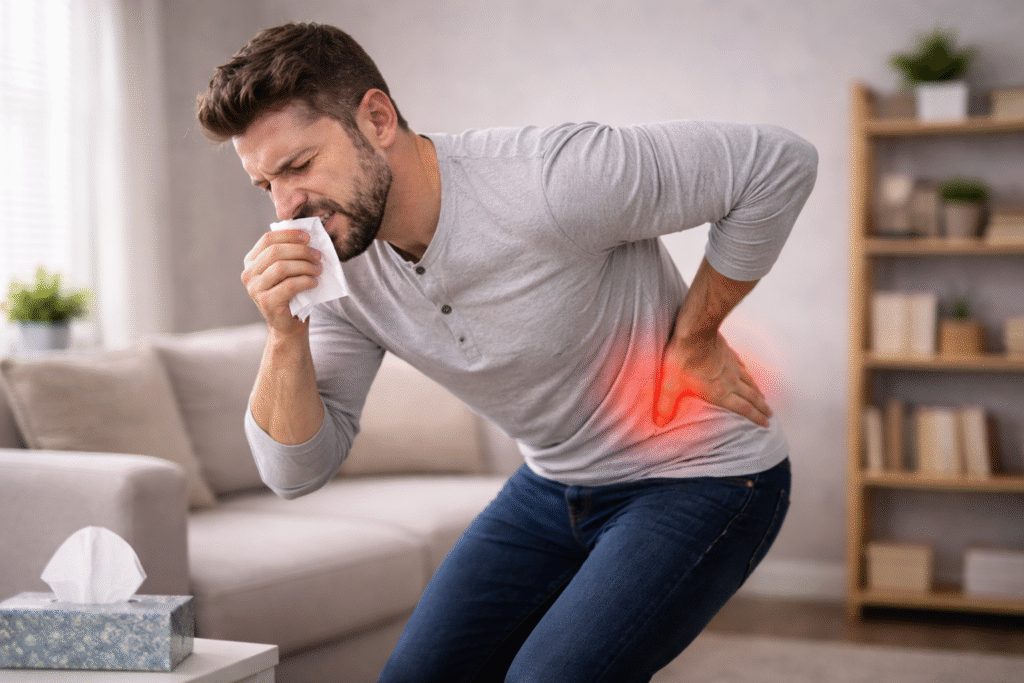
One classic sign of a slipped disc is sharp pain triggered by seemingly minor movements.
You may feel intense discomfort when:
- Sneezing
- Coughing
- Laughing
- Bending forward
- Twisting your torso
These actions increase pressure within the spinal canal, temporarily intensifying nerve compression.
If everyday movements cause sudden, severe pain, a herniated disc may be the cause.
Why Slipped Discs Are Often Missed After Car Accidents
Auto accident injuries don’t always appear immediately. In fact:
- Inflammation may take 24–72 hours to peak
- Muscle soreness can mask deeper injuries
- Adrenaline suppresses pain signals
- Symptoms may develop gradually
Many patients assume their discomfort is “just whiplash” or a muscle strain. However, untreated disc injuries can worsen over time.
Early evaluation is essential.
Can a Slipped Disc Heal?
The good news is that many herniated discs respond well to conservative care.
With appropriate treatment, you may experience:
- Reduced inflammation
- Improved spinal alignment
- Decreased nerve pressure
- Restored mobility
- Gradual pain relief
Ignoring the condition, however, can lead to chronic pain, nerve damage, and long-term disability.
When to Seek Professional Care for Herniated Disc Treatment
You should seek evaluation immediately if you experience:
- Persistent numbness
- Muscle weakness
- Radiating leg or arm pain
- Loss of coordination
- Difficulty controlling bladder or bowel function (emergency symptom)
Even if your symptoms seem mild, early intervention significantly improves outcomes.
You Don’t Have to Live in Pain
A slipped disc after a car accident can feel overwhelming. The pain may interfere with sleep, work, and daily activities.
But this condition does not have to define your life.
With proper diagnosis, targeted treatment, and time, healing is possible. The key is recognizing the warning signs early and taking action before the problem progresses.
If you’ve recently been in an accident and suspect something isn’t right, don’t wait. Early care can make the difference between temporary discomfort and long-term pain.
Address: 10915 SE Stark St. Suite 200, Portland, OR 97216Book: Online BookingPhone: (503) 899-0707