Feel the Difference: Exploring the Benefits of Neuromuscular Massage
Neuromuscular Massage Therapy (NMT) is a medical-focused, results-driven form of massage therapy designed to relieve pain at its source by addressing muscular trigger points and the neuromuscular patterns that keep pain “stuck” in the body. For many people in Portland, Oregon, persistent neck pain, low back pain, headaches, shoulder tightness, sciatica-like symptoms, and repetitive stress discomfort don’t fully improve with rest or general massage alone. Neuromuscular massage is different because it targets the underlying causes of musculoskeletal dysfunction—especially trigger points, restricted blood flow, nerve irritation, postural imbalance, and faulty movement mechanics—so the body can restore normal function and reduce recurring pain.
Targeted Relief: How Neuromuscular Massage Therapy Works
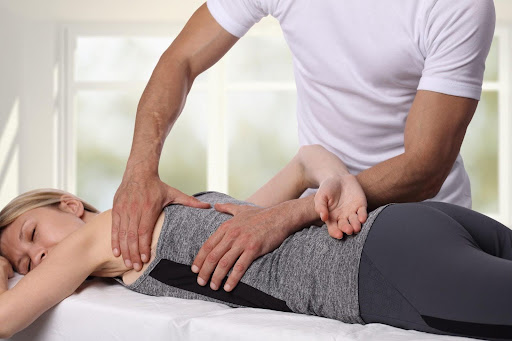
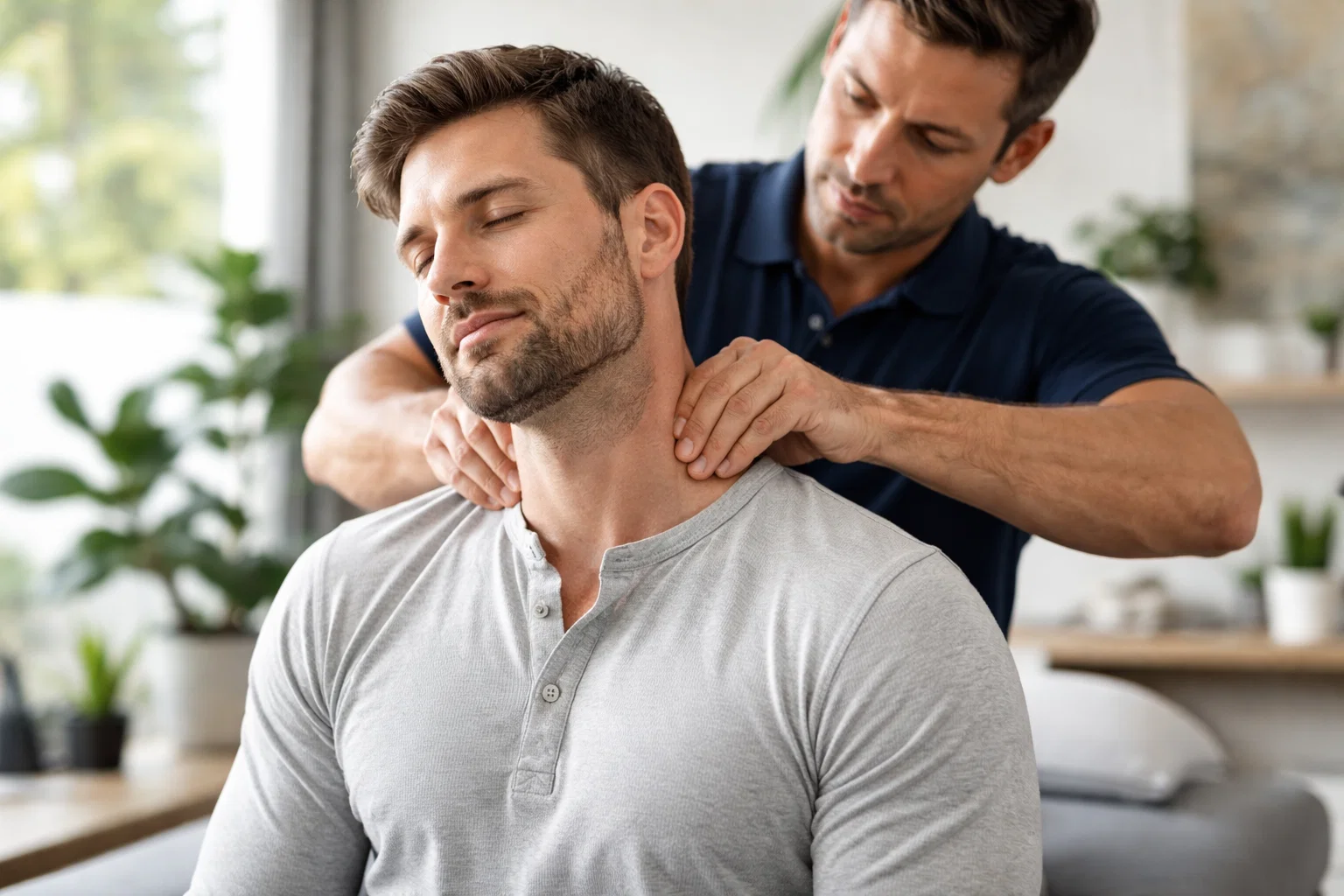
Unlike relaxation massage, neuromuscular massage therapy focuses on specific problem areas and uses precise, sustained pressure on hyperirritable points within muscle and fascia, often referred to as trigger points. These trigger points can create localized pain and also “refer” pain to other regions—meaning the symptom location isn’t always the true source. For example, tension headaches may be driven by trigger points in the upper back and neck, and wrist or forearm symptoms may be influenced by tight, irritated tissues higher up the kinetic chain.
NMT is typically delivered in 60–90 minute sessions and is guided by a functional assessment: pain patterns, posture, range of motion, tissue quality, and how your body moves. Pressure is applied in a controlled, strategic way—often held for 10–30 seconds—to help the tissue release, improve circulation, and decrease protective muscle guarding. When performed correctly, the goal is “therapeutic discomfort,” not excessive pain. This approach can help interrupt the common pain cycle where muscle tightness compresses sensitive structures, increases irritation, limits motion, and reinforces compensation patterns.
The Five Core Contributors NMT Addresses
Neuromuscular massage therapy is known for addressing multiple pain drivers at once, which is why it can succeed when more generalized approaches fall short:
- Trigger Points:Tight, sensitive bands in muscle that generate pain locally and in predictable referral patterns.
- Ischemia (Reduced Blood Flow):Chronically contracted tissue can become under-oxygenated, which increases tenderness and sensitivity.
- Nerve Irritation/Compression:Tight surrounding tissues can irritate nerves, contributing to tingling, numbness, or radiating symptoms.
- Postural Distortion:Prolonged sitting, repetitive tasks, and unbalanced loading can create muscle imbalance and strain.
- Biomechanical Dysfunction:Movement patterns after injury or overuse can overload certain tissues and perpetuate pain.
Because these factors often overlap, the most effective care plans frequently combine soft-tissue work with corrective strategies that support spinal alignment, joint mobility, and functional stability.
What Sets Neuromuscular Massage Apart From Deep Tissue Massage
People often compare neuromuscular massage therapy to deep tissue massage because both may feel more intense than a spa-style massage. The key difference is intent and precision. Deep tissue massage typically addresses generalized muscular tension and adhesions across larger regions. Neuromuscular massage therapy is more specific: it follows pain patterns, maps trigger points, and focuses on correcting dysfunction that is driving symptoms. In other words, deep tissue may help you feel looser overall, while NMT is often used to solve a particular pain problem that keeps returning.
Another important distinction is clinical structure. NMT sessions commonly include assessment, targeted treatment, reassessment of mobility or symptom change, and home-care guidance. In some cases, it may also be more likely to fit medical documentation requirements when used as part of an injury-based care plan.
Understanding Trigger Points and Referred Pain

Trigger points are one of the main reasons pain can feel confusing. A person may believe they have a “headache problem,” but the driver can be muscular trigger points in the upper trapezius, suboccipitals, or shoulder girdle. Similarly, symptoms that feel like sciatica may sometimes be influenced by tight gluteal or hip rotator muscles that refer pain down the leg. This does not replace proper medical evaluation, but it helps explain why treating only the painful area often fails—because the true source may be elsewhere.
A trained provider uses these referral patterns, tissue palpation, and movement testing to identify where the dysfunction is originating, then applies targeted techniques to reduce sensitivity and restore normal tissue behavior.
Techniques Commonly Used in Neuromuscular Massage Therapy
Neuromuscular massage therapy may include a combination of specialized methods depending on the area treated, symptom sensitivity, and goals:
- Sustained Digital Pressure:Focused pressure with fingers, knuckles, or elbow—chosen based on tissue depth and tolerance.
- Layered Compression:Gradual depth progression to reduce guarding and allow deeper release safely.
- Passive Positional Release:Positioning strategies that reduce strain and improve tolerance for sensitive tissues.
- Muscle Energy Techniques:Gentle contraction/relax sequences to improve mobility and neuromuscular control.
- Cross-Fiber or Friction Work:Used when tissue layers are restricted and mobility is limited.
- Stripping/Gliding Techniques:Applied along muscle fibers to improve pliability and restore normal movement.
High-quality neuromuscular care is not random pressure on sore spots. It is an intentional, problem-solving process that balances precision with safety.
Conditions That Often Respond Well to NMT
In a clinical setting, neuromuscular massage therapy is commonly used for:
- Neck pain, upper back tightness, and postural strainfrom desk work
- Low back painand movement-related discomfort
- Headaches linked to muscular tension(especially in neck/shoulder patterns)
- Shoulder pain, rotator cuff overload, and restricted range of motion
- Repetitive stress injuriesaffecting forearm, wrist, and elbow
- Hip tightness and gluteal trigger pointscontributing to radiating symptoms
- Auto accident-related soft-tissue strain, including whiplash patterns
- Athletic overuseand muscle imbalance that increases injury risk
If symptoms include progressive weakness, severe numbness, balance changes, unexplained pain, fever, or other concerning signs, evaluation by an appropriate medical provider is important before initiating hands-on therapy.
What to Expect in a Session
Most patients start with an intake and functional assessment: your symptom history, aggravating activities, posture, and movement. Treatment then focuses on the tissues most connected to your pain pattern. Many people feel immediate changes in tension, motion, or pressure sensitivity. Mild soreness can occur for 24–36 hours, similar to post-workout soreness, especially early in care or when treating long-standing restriction. Hydration and simple mobility work usually help.
The best results often come from consistency. For acute injuries or flare-ups, sessions may be scheduled closer together initially. For chronic conditions, a structured series—combined with corrective exercises and ergonomic changes—typically produces longer-lasting improvement.
Integrating NMT With Chiropractic Care in Portland
Neuromuscular massage therapy pairs well with chiropractic care because soft-tissue restriction can limit joint mobility, reinforce postural imbalance, and increase guarding that resists correction. When tight muscles release and circulation improves, it is often easier to restore normal spinal motion and movement mechanics. For many patients in Portland, this combined approach supports better outcomes for back pain, neck pain, disc-related discomfort, and auto accident recovery.
Safety and Contraindications
Neuromuscular massage therapy is generally safe when performed by properly trained professionals, but it may not be appropriate in certain situations such as acute infection, fever, untreated blood clots, severe osteoporosis with high fracture risk, or immediately after surgery without clearance. People who bruise easily, take blood-thinning medications, or have complex medical conditions should share their history so treatment can be modified appropriately.
Conclusion
Neuromuscular massage therapy offers a structured, evidence-informed approach to resolving pain patterns that persist despite rest, stretching, or generalized massage. By targeting trigger points, improving circulation, reducing nerve irritation, correcting postural strain, and restoring healthier movement mechanics, NMT can help many Portland residents experience meaningful improvements in pain, mobility, and daily function. When integrated with chiropractic care, it often becomes a powerful component of a non-surgical plan designed to reduce recurring symptoms and support long-term recovery.
Address: 10915 SE Stark St. Suite 200, Portland, OR 97216Book: Online BookingPhone: (503) 899-0707
Schedule your consultation today to discuss neuromuscular massage therapy and chiropractic care options, verify benefits when applicable, and start a personalized, non-surgical treatment plan for back pain, neck pain, headaches, and soft-tissue injuries in Portland.