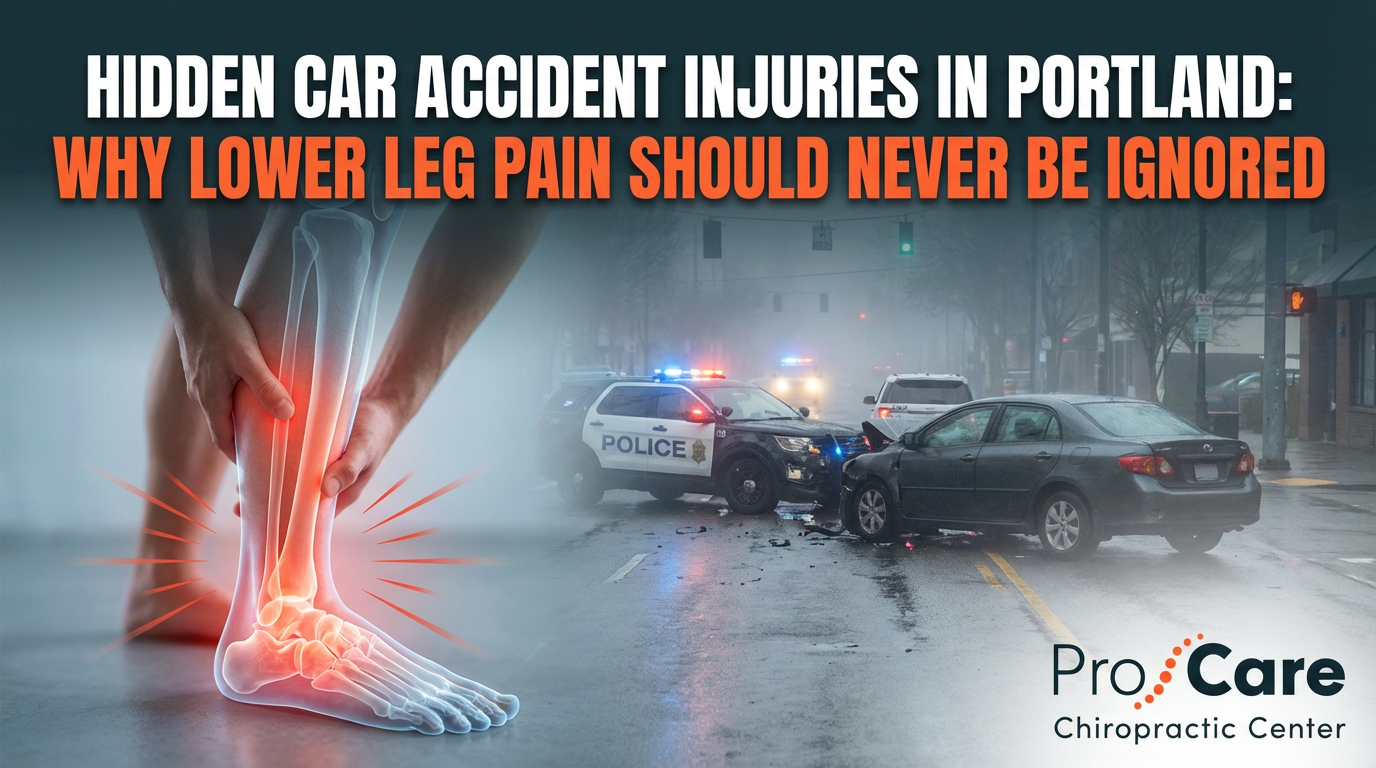
Hidden Car Accident Injuries in Portland: Why Lower Leg Pain Should Never Be Ignored
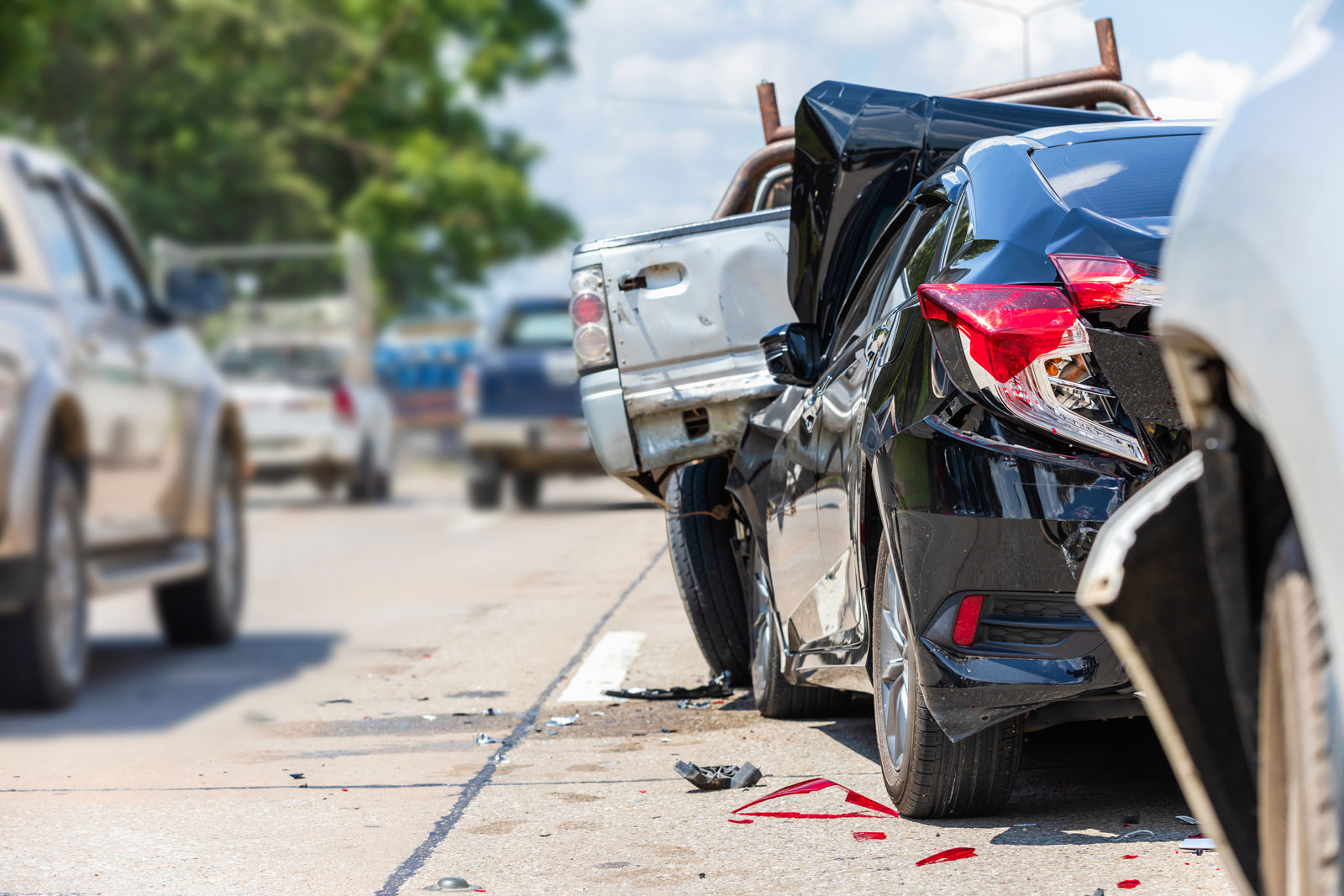
When most people think about car accident injuries, they immediately think of whiplash, neck pain, or back injuries. And while those are extremely common, they are not the only injuries that occur after a collision.
In fact, some of the most overlooked car accident injuries involve the lower legs — including the knees, shins, ankles, and feet.
If you’ve recently been involved in a crash in Portland, Oregon, and you’re noticing knee pain, shin soreness, or foot discomfort, it’s important not to dismiss it.
At ProCare Chiropractic Clinic in Portland, OR, we regularly treat patients who didn’t realize their lower leg pain was connected to a car accident until days or even weeks later.
Here’s what you need to know.
Why Some Car Accident Injuries Go Unnoticed
Immediately after a car accident, your body enters a survival state. Adrenaline floods your system. Endorphins dull pain. Your focus shifts to safety.
This stress response can:
- Mask soft tissue injuries
- Delay inflammation
- Suppress pain signals
- Reduce awareness of strain or joint damage
Many people leave the accident scene believing they are uninjured — only to wake up days later with stiffness, swelling, or joint pain.
Lower leg injuries are especially easy to overlook because they may feel like minor soreness at first.
Why Lower Leg Injuries Are Common in Car Accidents
During a crash, the lower body absorbs significant force.
Consider what your legs are doing at the moment of impact:
- Pressing the brake pedal forcefully
- Bracing against the floorboard
- Locking in a rigid position
- Being pushed into the dashboard during a rear-end collision
Even low-speed crashes can create sudden, intense pressure through the knees, shins, and ankles.
The result? Soft tissue strain, joint irritation, and misalignment.
Commonly Overlooked Lower Leg Pain After Car Accident
1. Knee Pain After a Car Accident
Knee injuries are extremely common in Portland auto accidents.
The knee may:
- Strike the dashboard
- Twist during sudden braking
- Absorb force from impact
This can cause:
- Ligament strain
- Patellar irritation
- Meniscus stress
- Swelling and instability
Symptoms may not appear immediately. Swelling and stiffness can develop 24–72 hours later.
If left untreated, knee injuries can lead to chronic instability and altered walking mechanics.
2. Shin Pain and Contusions
Shin injuries can occur when:
- The lower leg hits the dashboard
- The foot is forcefully braced during braking
- Sudden impact sends vibration through the tibia
Shin pain may feel like:
- Deep aching
- Bruising
- Tenderness to touch
- Pain when walking
Sometimes this is dismissed as a simple bruise, but persistent shin pain can indicate deeper soft tissue strain or joint involvement.
3. Ankle and Foot Strain
Your foot and ankle play a major role during sudden braking.
Forceful pedal pressure can cause:
- Ankle sprains
- Tendon strain
- Plantar fascia irritation
- Foot arch stress
In rear-end collisions, the foot can remain planted while the body moves forward, placing intense strain on ligaments.
Foot pain after a car accident is often delayed and may worsen with walking.
The Connection Between Lower Leg Pain and Spinal Alignment
Many patients are surprised to learn that knee and foot pain can be related to spinal misalignment.
After a car accident:
- The pelvis may shift
- The lumbar spine can rotate
- One leg may become functionally shorter
This imbalance alters your gait.
Over time, improper walking mechanics increase stress on:
- Knees
- Shins
- Ankles
- Feet
Without correcting spinal alignment, lower leg pain can become chronic.
Why You Should See a Chiropractor After a Car Accident — Even Without Obvious Injury
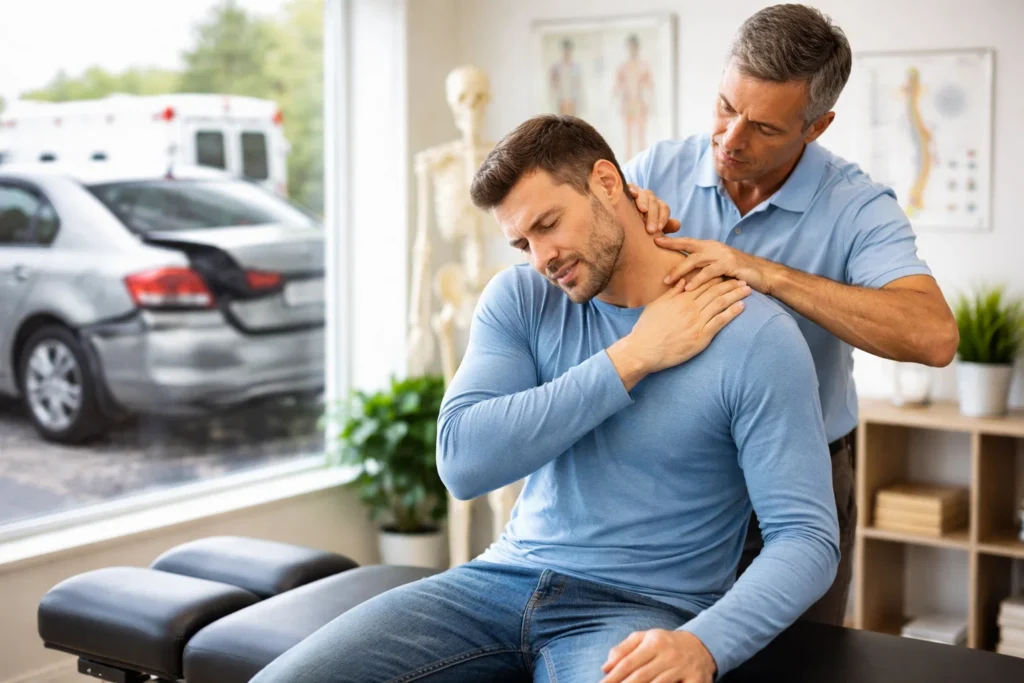
You do not need visible injuries to justify a chiropractic evaluation.
In Oregon, Personal Injury Protection (PIP) coverage typically includes chiropractic care after a motor vehicle accident.
Early evaluation helps:
- Detect hidden injuries
- Prevent chronic pain
- Reduce inflammation
- Restore proper alignment
- Document injuries for insurance claims
The sooner care begins, the better your long-term outcome.
How Chiropractic Care Helps Lower Leg Injuries
At ProCare Chiropractic Clinic in Portland, treatment plans are individualized based on your specific injury.
Care may include:
Spinal and Pelvic Alignment
Correcting misalignment improves biomechanics and reduces stress on knees and ankles.
Soft Tissue Therapy
Helps reduce inflammation, break down scar tissue, and restore mobility.
Joint Mobilization
Improves motion in the knee, ankle, and foot.
Rehabilitation Exercises
Strengthens supporting muscles and restores stability.
The goal is not just pain relief — it’s full functional recovery.
Signs You Should Not Ignore After a Car Accident
Seek evaluation if you experience:
- Knee swelling
- Difficulty walking
- Shin tenderness
- Foot instability
- Pain that worsens over several days
- Numbness or tingling in the legs
Even mild symptoms can indicate underlying soft tissue damage.
Auto Accident Chiropractic Care in Portland, Oregon
If you were involved in a car accident in Portland or surrounding areas, do not assume that lower leg pain is unrelated.
Early diagnosis protects your mobility and long-term health.
ProCare Chiropractic Clinic
Address: 10915 SE Stark St. Suite 200, Portland, OR 97216Book: Online BookingPhone: (503) 899-0707
We specialize in treating auto accident injuries, including overlooked lower leg pain.
Protect Your Mobility After a Crash
Car accident injuries are not always dramatic. Sometimes they start as mild discomfort in your knee or ankle and gradually worsen.
Ignoring these symptoms can lead to:
- Chronic joint instability
- Gait abnormalities
- Long-term pain
- Reduced quality of life
If you’ve recently been in a collision, schedule an evaluation and make sure nothing is overlooked. Early care can make the difference between temporary soreness and lasting injury.