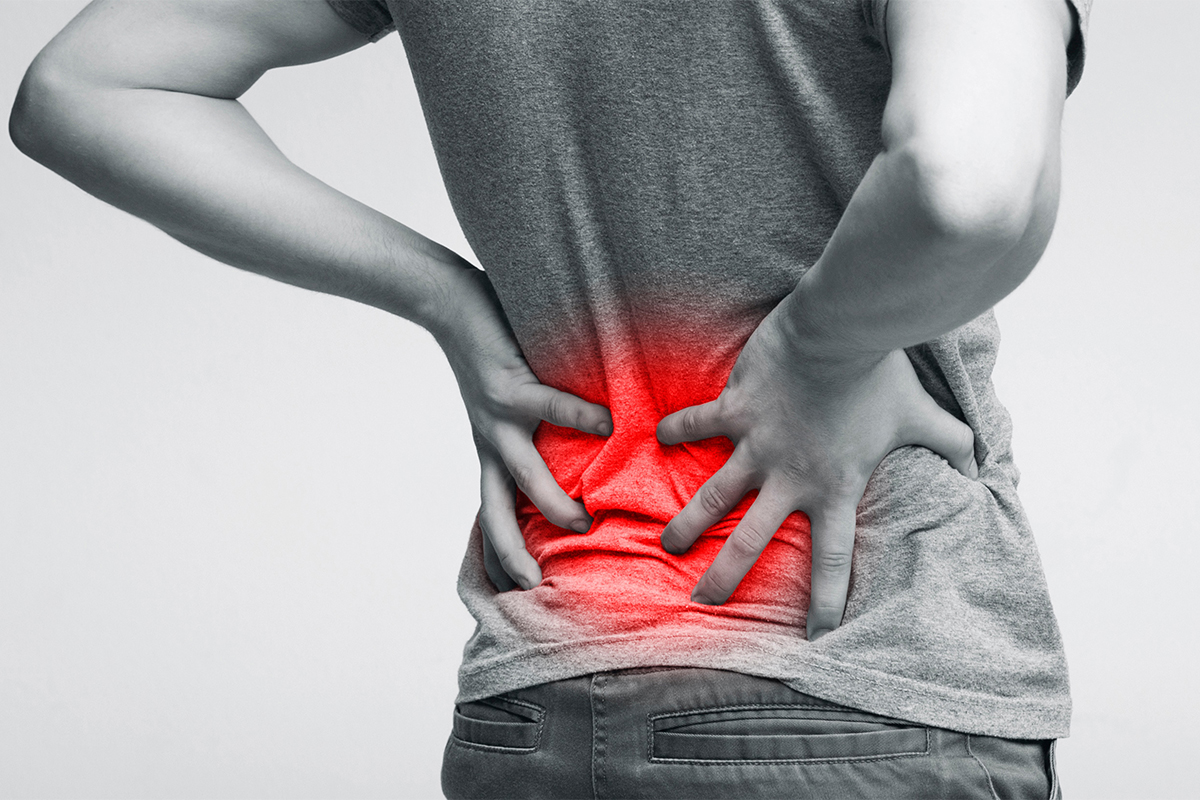
How Chiropractors Treat 3 Common Car Crash Injuries in Portland, Oregon

Car Crash Injuries are one of the leading causes of spine, neck, and nerve injuries in the United States. Many people assume that serious injuries only happen during high-speed crashes, but medical research and clinical experience show that even minor car accidents can cause long-lasting damage to the musculoskeletal and nervous systems.
In Portland, Oregon, thousands of drivers and passengers are involved in auto accidents each year. A large percentage of them walk away from the crash believing they are “fine,” only to develop pain, stiffness, headaches, numbness, or weakness days or weeks later.
That delay is one of the biggest reasons auto accident injuries become chronic.
At ProCare Chiropractic Center, we specialize in identifying and treating car crash injuries early—before they turn into long-term conditions that interfere with work, sleep, and daily life.
This guide explains three of the most common car accident injuries and how chiropractic care helps patients recover safely, naturally, and effectively.
Why Chiropractic Care Is Essential After a Car Accident
Emergency rooms are designed to rule out fractures, internal bleeding, and life-threatening trauma. That is critical—but it is only the first step.
Many of the most painful and disabling car accident injuries involve:
- Soft tissues (muscles, ligaments, tendons)
- Spinal joints
- Intervertebral discs
- Nerve roots
- Postural and movement dysfunction
These injuries often:
- Do not appear on X-rays
- Develop delayed symptoms
- Worsen without targeted treatment
Chiropractors specialize in the neuromusculoskeletal system, which is exactly what absorbs the force of a car crash.
Early chiropractic care after an accident can:
- Reduce inflammation before it becomes chronic
- Restore spinal alignment and joint motion
- Prevent scar tissue formation
- Reduce nerve irritation
- Improve long-term recovery outcomes
How Car Accidents Damage the Spine and Nervous System
During a collision, your body experiences rapid acceleration and deceleration. Even with seatbelts and airbags, the spine is subjected to forces it was never designed to handle.
Common mechanisms of injury include:
- Sudden forward/backward motion (whiplash)
- Rotational twisting of the spine
- Compression forces through vertebrae
- Shearing stress on discs and ligaments
These forces can cause:
- Disc displacement
- Joint misalignment
- Muscle tears
- Ligament sprains
- Nerve compression
The result is pain, stiffness, weakness, and dysfunction that often worsens over time if untreated.
1. Herniated Discs After a Car Accident
What Is a Herniated Disc?
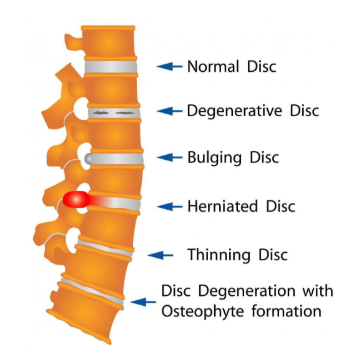
The spine is made up of vertebrae separated by discs that act as shock absorbers. Each disc has:
- A tough outer layer (annulus fibrosus)
- A soft, gel-like center (nucleus pulposus)
A herniated disc occurs when the outer layer tears and the inner material pushes outward, often pressing on nearby nerves.
Car accidents are a major cause of disc herniation due to:
- Sudden compression
- Twisting forces
- Rapid flexion and extension
Common Symptoms of Herniated Discs
Symptoms depend on the location of the disc injury.
Cervical (neck) disc herniation may cause:
- Neck pain and stiffness
- Pain radiating into shoulders or arms
- Numbness or tingling in hands
- Weak grip strength
- Headaches
Lumbar (lower back) disc herniation may cause:
- Lower back pain
- Sciatica (pain down the leg)
- Numbness in legs or feet
- Muscle weakness
- Difficulty standing or walking
Why Herniated Discs Get Worse Without Treatment
Without proper care:
- Inflammation increases
- Nerve compression worsens
- Scar tissue develops
- Spinal degeneration accelerates
Many patients are told surgery is their only option—but in most cases, conservative chiropractic care is highly effective.
Chiropractic Treatment for Herniated Discs
Chiropractors treat herniated discs by reducing mechanical stress on the disc and nerve.
Treatment may include:
- Flexion-distraction therapy
- Gentle spinal decompression
- Specific chiropractic adjustments
- Soft tissue therapy
- Corrective and stabilizing exercises
Goals of treatment:
- Reduce disc pressure
- Improve spinal alignment
- Restore mobility
- Relieve nerve irritation
- Avoid surgery whenever possible
2. Whiplash Injuries From Auto Accidents
What Is Whiplash?
Whiplash is one of the most common injuries after car accidents, especially rear-end collisions. It occurs when the head and neck are violently thrown forward and backward in milliseconds.
This motion damages:
- Cervical muscles
- Ligaments
- Facet joints
- Intervertebral discs
- Nerve tissue
Whiplash can occur at speeds as low as 5–10 mph.
Delayed Symptoms of Whiplash
One of the most dangerous aspects of whiplash is delayed onset.
Symptoms may appear:
- 24–72 hours later
- Several days later
- Even weeks after the accident
Common symptoms include:
- Neck pain and stiffness
- Headaches or migraines
- Shoulder and upper back pain
- Dizziness
- Fatigue
- Brain fog or concentration issues
- Tingling in arms or hands
Why Untreated Whiplash Becomes Chronic
If whiplash is ignored:
- Muscles heal improperly
- Scar tissue forms
- Joint dysfunction persists
- Chronic pain syndromes develop
This condition is often called chronic whiplash syndrome and can last years.
Chiropractic Treatment for Whiplash
Chiropractic care addresses both pain and function.
Treatment may include:
- Gentle cervical mobilization
- Low-force spinal adjustments
- Myofascial release
- Stretching and strengthening
- Postural correction
The goal is to:
- Restore normal neck movement
- Reduce inflammation
- Rebuild strength
- Prevent long-term disability
3. Compression Fractures After Car Accidents
What Is a Compression Fracture?
A compression fracture occurs when a vertebra partially collapses due to force. While more common in severe crashes, they can occur in moderate accidents, particularly in:
- Older adults
- Patients with osteoporosis
- Individuals with prior spinal degeneration
Symptoms of Compression Fractures
- Sharp or deep back pain
- Pain that worsens with movement
- Limited spinal mobility
- Postural changes
- Muscle spasms
Chiropractic Role in Compression Fracture Recovery
Not all compression fractures are the same.
Chiropractors help by:
- Identifying fracture severity
- Determining spinal stability
- Referring when surgical care is required
- Providing conservative care when appropriate
Treatment may include:
- Bracing guidance
- Pain management strategies
- Gentle rehabilitation
- Coordination with medical providers
Early evaluation is critical to prevent complications.
Why Early Chiropractic Care Improves Outcomes
Waiting weeks or months after an accident often leads to:
- Chronic pain
- Reduced mobility
- Arthritis
- Permanent nerve damage
Early chiropractic treatment:
- Shortens recovery time
- Reduces total treatment cost
- Improves insurance documentation
- Protects long-term spinal health
Auto Accident Chiropractic Care in Portland, Oregon
At ProCare Chiropractic Center, we focus exclusively on helping auto accident patients recover properly.
Our care includes:
- Comprehensive accident evaluations
- Evidence-based chiropractic techniques
- Individualized rehabilitation plans
- Clear medical documentation for claims
We treat the injury—not just the symptom.
Schedule Your Car Accident Chiropractic Evaluation
Even a “minor” accident can cause serious spinal injuries. The sooner you’re evaluated, the better your outcome.
Address: 10915 SE Stark St. Suite 200, Portland, OR 97216
Book: Online Booking
Phone: (503) 899-0707