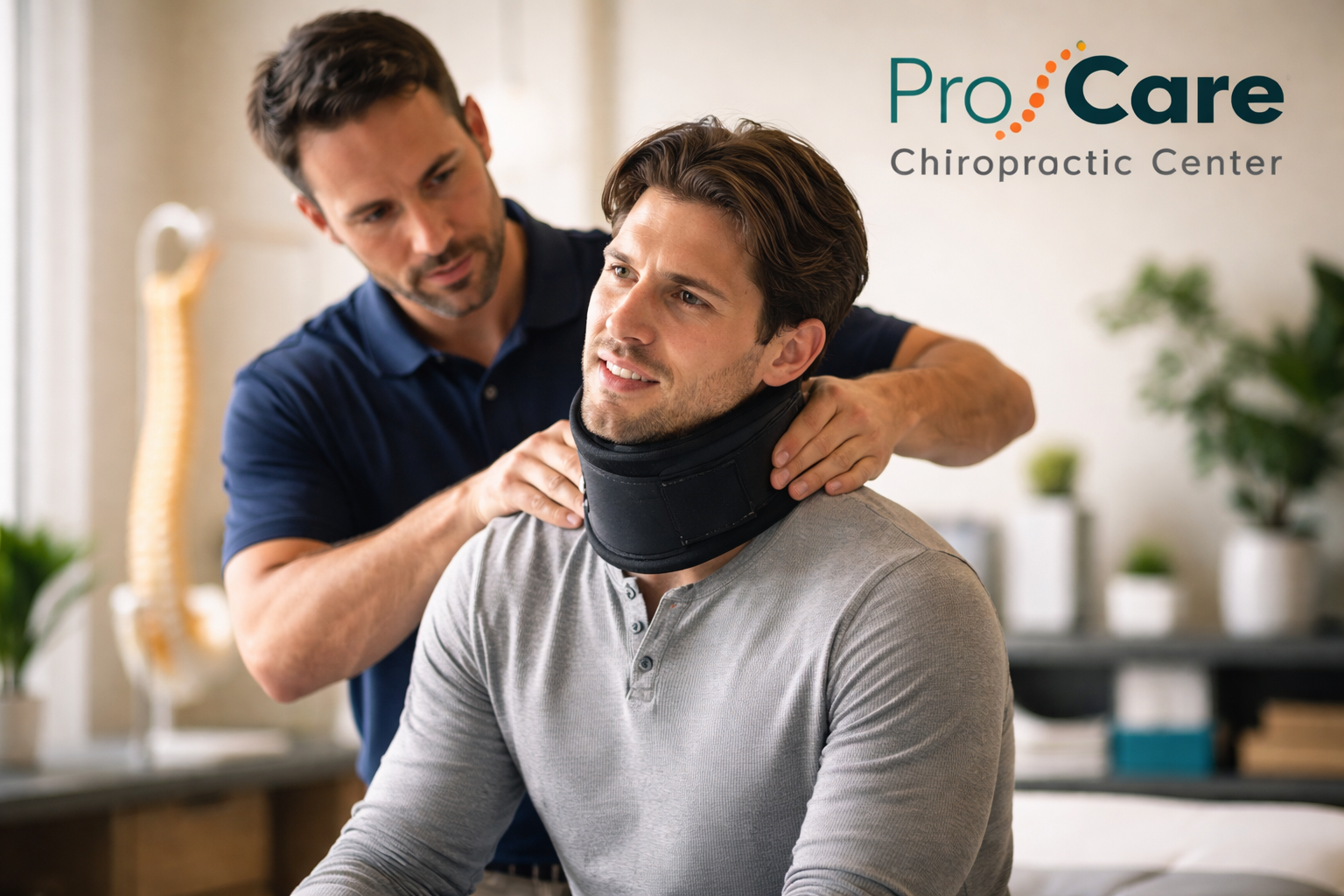
The Most Common Car Accident Injuries in Portland, OR
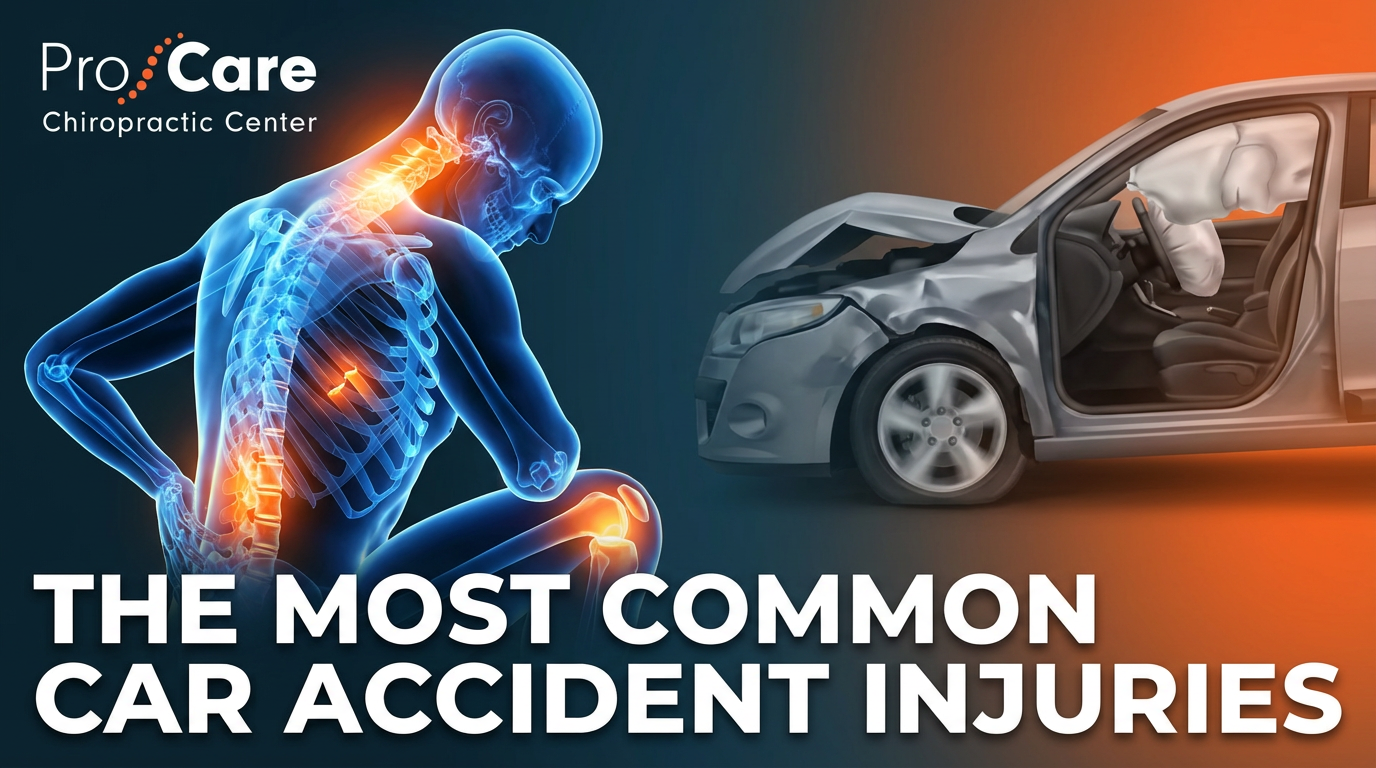
Even a relatively minor fender bender can leave you shaken and sore. A high-speed collision, however, can cause serious injuries—many of which may not appear immediately. In fact, some symptoms take hours or even days to develop.
That’s why it’s critical to seek medical evaluation after any auto accident, even if you feel fine at first. Below are the most common car accident injuries and what you need to know about identifying and treating them properly.
From whiplash to hidden soft tissue damage, ProCare Chiropractic Clinic in Portland, OR treats the most common crash injuries with zero out-of-pocket costs.
Bruises, Cuts, and Scrapes
During a collision, your body can be jolted forward, backward, or sideways—even with a seatbelt and airbags deployed. You may strike:
- The steering wheel
- The dashboard
- Side windows
- The door panel
Broken glass and loose debris can also cause lacerations. While many bruises and scrapes are minor, deeper cuts may require stitches and medical attention.
Head Trauma and Concussions
Although airbags and modern safety features reduce impact, they cannot eliminate the risk of head injury—especially in rear-end or side-impact collisions.
Head trauma may result in:
- Concussions
- Skull fractures
- Lacerations
- Brain injuries
- Dizziness or confusion
Symptoms of a concussion may not appear immediately. Persistent headaches, nausea, blurred vision, or difficulty concentrating should never be ignored.
Broken Bones
Fractures are less common than soft tissue injuries but still occur frequently, even in low-speed crashes.
Common fracture sites include:
- Ribs
- Wrists
- Arms
- Legs
- Collarbone
Drivers may suffer broken ribs from contact with the steering wheel or seatbelt restraint.
Chest Pain
Chest soreness often develops after impact from:
- Seatbelt restraint
- Airbag deployment
Although chest pain is often muscular, it should always be evaluated to rule out internal injury. Chiropractic and soft tissue techniques may help restore mobility and relieve muscular tension once serious conditions are excluded.
Spinal Cord Injuries and Misalignment
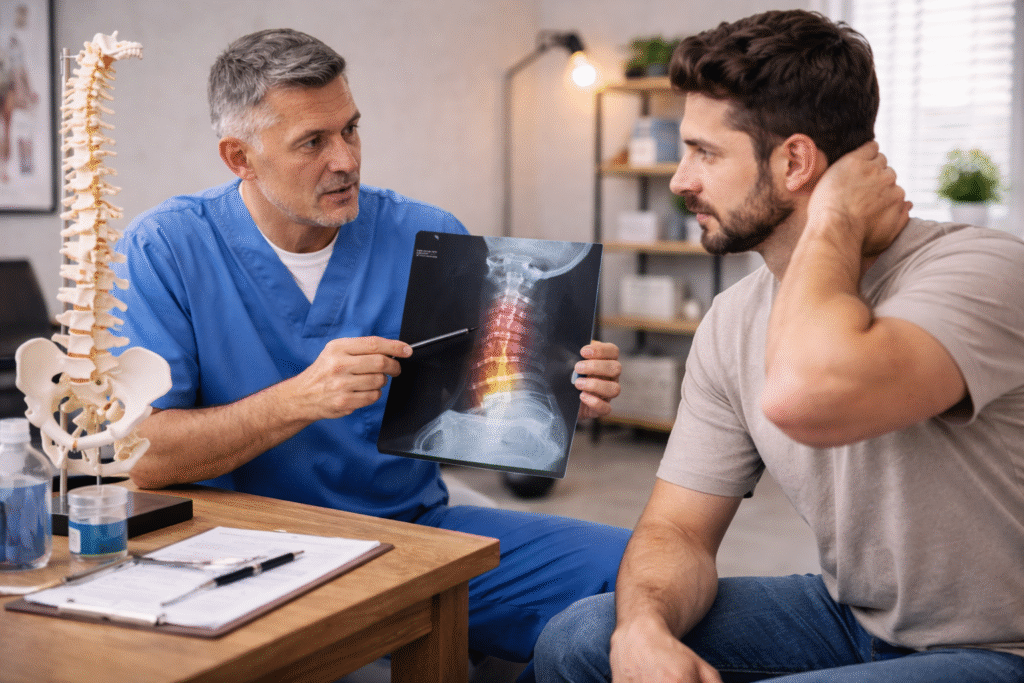
The sudden force of a collision can disrupt spinal alignment. Even if no fracture occurs, spinal misalignment may lead to:
- Chronic back pain
- Limited mobility
- Nerve irritation
- Delayed complications
Many spinal issues do not become noticeable until weeks later. Early chiropractic evaluation can detect subtle misalignments before they evolve into chronic problems.
Herniated or Slipped Discs
A herniated disc occurs when one of the cushioning discs between vertebrae shifts or ruptures under pressure.
Symptoms may include:
- Sharp back pain
- Numbness or tingling
- Radiating pain into arms or legs
- Muscle weakness
Chiropractic care may help relieve pressure on affected nerves and restore spinal function without invasive procedures, depending on severity.
Whiplash and Soft Tissue Injuries
Whiplash is one of the most common car accident injuries. It occurs when the neck is forcefully whipped forward and backward during impact.
Whiplash affects:
- Muscles
- Ligaments
- Tendons
- Cervical vertebrae
Symptoms may include:
- Neck stiffness
- Headaches
- Shoulder pain
- Reduced range of motion
Soft tissue injuries extend beyond whiplash and may include:
Contusions
Muscle bruising from blunt trauma.
Sprains
Ligament tears caused by twisting or sudden force.
Strains
Injuries to muscles or tendons, often in the back or legs.
Bursitis
Inflammation of fluid-filled sacs around joints.
Tendonitis
Inflammation of tendons due to strain or trauma.
Left untreated, soft tissue injuries may develop scar tissue, causing stiffness and chronic pain. Chiropractic care can promote healing through controlled movement, alignment correction, and therapeutic techniques.
Migraines After a Car Accident
Migraines may develop days after a crash, making the connection less obvious.
Migraine symptoms include:
- Severe, throbbing head pain
- Nausea
- Light sensitivity
- Sensitivity to movement
Spinal misalignment and nerve irritation can disrupt blood flow and nerve signaling, contributing to post-accident migraines.
Tension Headaches
Tension headaches often feel like a tight band around the head.
They commonly result from:
- Strained neck muscles
- Inflamed ligaments
- Cervical misalignment
When vertebrae shift out of proper alignment, surrounding tissues tighten, creating pressure that radiates upward into the scalp.
Chiropractic adjustments may restore joint motion and reduce muscle tension contributing to these headaches.
Why Chiropractic Care Matters After a Car Accident
Pain medication may reduce symptoms temporarily, but it does not correct the structural causes of discomfort.
Chiropractic care offers several benefits for auto accident recovery:
- Restores joint mobility
- Improves spinal alignment
- Reduces nerve pressure
- Decreases inflammation
- Enhances flexibility and range of motion
- Breaks down scar tissue
- Provides drug-free pain relief
Chiropractors focus on identifying and correcting the underlying cause of pain—not simply masking symptoms.
The Importance of Early Evaluation
Even if your injuries seem minor, early assessment is essential. Small misalignments or soft tissue damage can worsen over time if left untreated.
If you’ve recently been involved in a car accident and are experiencing pain, stiffness, headaches, or reduced mobility, prompt evaluation can help prevent long-term complications.
Addressing car accident injuries early improves healing, shortens recovery time, and reduces the risk of chronic pain.
Your body absorbs significant force during a collision. Give it the professional care it needs to recover fully and safely.
Address: 10915 SE Stark St. Suite 200, Portland, OR 97216Book: Online BookingPhone: (503) 899-0707