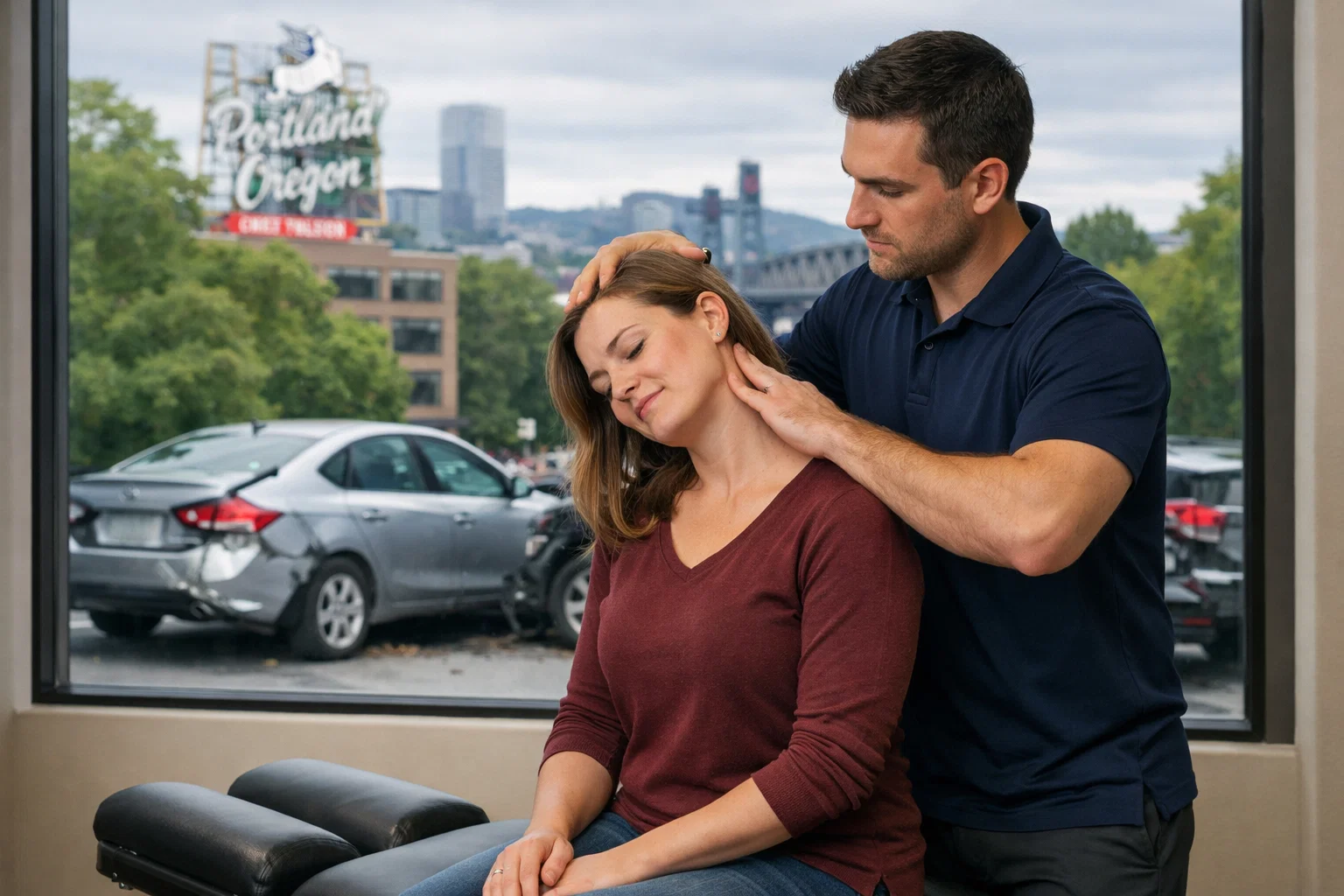
Sciatic Nerve Pain After a Car Accident in Portland, OR: How Chiropractic Care Can Help You Recover
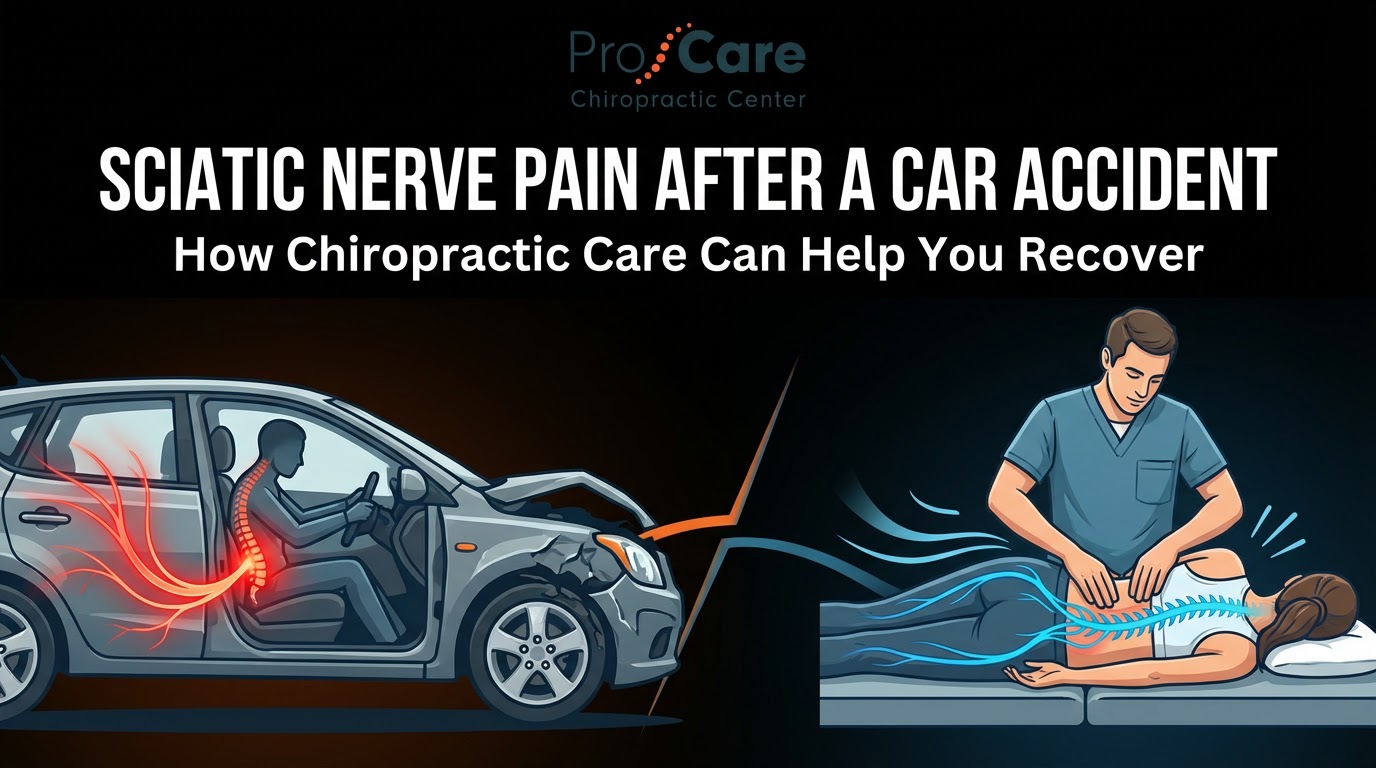
Car accidents frequently cause injuries that are not immediately visible, including nerve pain after a car accident that may worsen over time. One of the most painful and disruptive conditions that can develop after a collision is sciatic nerve pain. Often referred to simply as sciatica, this condition can significantly limit mobility, interfere with sleep, and impact overall quality of life.
While sciatica can stem from chronic conditions such as spinal stenosis or degenerative disc disease, post-accident sciatic pain is typically caused by acute trauma. The sudden force of a crash may lead to a herniated disc, spinal misalignment, or inflammation that compresses the sciatic nerve.
Stop the radiating leg pain. ProCare Chiropractic Clinic in Portland, OR specializes in treating post-accident sciatica through spinal decompression and alignment.
Understanding how chiropractic care addresses the root cause of sciatic nerve pain is essential for achieving long-term relief after a car accident.
What Is Sciatic Nerve Pain?
The sciatic nerve is the largest nerve in the body. It originates in the lower spine and travels through the hips, buttocks, and down each leg.
Sciatic nerve pain occurs when this nerve becomes irritated or compressed. After a car accident, common causes include:
- Herniated or bulging lumbar discs
- Lumbar spine misalignment
- Inflammation surrounding nerve roots
- Pelvic imbalance
- Muscle spasms compressing the nerve
Symptoms of sciatica may include:
- Sharp or burning pain radiating from the lower back into the leg
- Numbness or tingling in the leg or foot
- Weakness in the lower extremities
- Difficulty standing, walking, or sitting for extended periods
Pain can range from mild discomfort to severe, debilitating episodes.
Why Car Accidents Trigger Sciatic Pain
During a collision, the body experiences sudden acceleration and deceleration forces. Even low-speed accidents can:
- Shift spinal alignment
- Compress intervertebral discs
- Cause microtears in supporting ligaments
- Trigger muscle spasms
If a lumbar disc is forced out of position, it can press against the sciatic nerve root. Inflammation following the injury can worsen compression and intensify pain.
Without proper treatment, acute sciatic nerve irritation may develop into chronic nerve pain.
How a Chiropractor Helps Relieve Post-Accident Sciatic Pain
Chiropractic care focuses on correcting the mechanical dysfunction that causes nerve compression. Rather than masking pain with medication, treatment aims to restore structural balance and promote natural healing.
Here are three primary ways chiropractic care helps relieve sciatic nerve pain after a car accident.
1. Chiropractic Adjustments to Relieve Nerve Pressure
Spinal misalignment is one of the most common contributors to sciatic nerve irritation after trauma.
Chiropractic adjustments involve controlled, precise movements applied to restricted spinal segments. These adjustments help:
- Restore proper lumbar alignment
- Reduce disc pressure
- Improve joint mobility
- Decrease nerve compression
When spinal segments are realigned, pressure on the sciatic nerve decreases, often leading to significant pain reduction.
For patients with disc-related sciatica, gentle decompression techniques may also be incorporated to relieve pressure on the affected nerve root.
2. Targeted Massage Therapy and Soft Tissue Treatment
Muscle tension frequently accompanies sciatic nerve pain. Following a car accident, surrounding muscles may tighten in response to injury.
Chiropractic soft tissue therapies may include:
- Myofascial release
- Trigger point therapy
- Therapeutic massage
- Muscle stretching techniques
These methods help:
- Reduce muscle spasms
- Improve circulation
- Decrease inflammation
- Enhance flexibility
Targeted massage is different from relaxation massage. Chiropractors apply treatment based on anatomical understanding of nerve pathways and muscular function.
Additionally, soft tissue therapy can stimulate endorphin release, which naturally supports pain control.
3. Exercise Guidance and Lifestyle Modifications
In-office treatment is only one part of recovery. Sustainable healing requires strengthening and stabilizing the spine.
Chiropractors provide personalized exercise plans that may include:
- Core strengthening exercises
- Gentle lumbar stretches
- Postural correction drills
- Mobility training
These exercises help:
- Support spinal stability
- Reduce recurring nerve compression
- Prevent future flare-ups
Patients are also advised on proper movement patterns and activities to avoid during recovery. Small lifestyle adjustments can significantly improve outcomes.
The Importance of Early Evaluation

Sciatic nerve pain may not begin immediately after a car accident. Symptoms sometimes develop days or even weeks later as inflammation increases.
Early chiropractic evaluation can:
- Identify disc injuries before they worsen
- Detect subtle spinal misalignments
- Prevent chronic nerve irritation
- Shorten overall recovery time
Delaying care increases the risk of prolonged nerve compression, which may require more extensive treatment.
Avoiding Long-Term Sciatica After a Crash
If left untreated, acute sciatic nerve irritation may evolve into:
- Chronic lower back pain
- Persistent leg numbness
- Muscle weakness
- Reduced mobility
- Ongoing inflammation
Chiropractic care addresses both symptoms and the underlying structural cause, helping to prevent long-term complications.
By restoring proper biomechanics early, patients reduce the likelihood of chronic nerve dysfunction.
Drug-Free, Non-Invasive Relief
Many patients are prescribed anti-inflammatory medications or pain relievers after a car accident. While these may provide temporary relief, they do not correct spinal dysfunction.
Chiropractic care offers:
- A non-invasive approach
- No reliance on addictive medications
- Natural inflammation reduction
- Improved nervous system function
The goal is lasting recovery, not temporary symptom suppression.
Comprehensive Care for Full Recovery
Recovery from sciatic nerve pain often involves a combination of:
- Spinal adjustments
- Soft tissue therapy
- Rehabilitative exercises
- Postural training
- Ongoing monitoring
Each treatment plan is tailored to the individual’s injury severity, overall health, and lifestyle.
Healing timelines vary, but consistent care typically produces gradual and sustainable improvement.
When to Seek Chiropractic Care for Sciatica
You should consider a chiropractic evaluation if you experience:
- Radiating leg pain after a car accident
- Persistent lower back pain
- Tingling or numbness in the leg or foot
- Weakness when walking or standing
- Pain that worsens with sitting
Early intervention offers the best chance of full recovery.
Restoring Mobility and Quality of Life
Sciatic nerve pain can make simple tasks—walking, driving, working—extremely difficult. However, with proper structural correction and rehabilitation, most patients experience significant relief.
Chiropractic care focuses on restoring mobility, reducing nerve irritation, and supporting the body’s natural healing process.
If you are experiencing sciatic nerve pain after a car accident, seeking professional evaluation and treatment can help you return to normal function safely and effectively.
Long-term relief begins by addressing the root cause. With a comprehensive chiropractic approach, recovery is not only possible but achievable.
Address: 10915 SE Stark St. Suite 200, Portland, OR 97216Book: Online BookingPhone: (503) 899-0707