4 Proven Ways to Restore Spinal Alignment After a Car Accident in Portland, Oregon
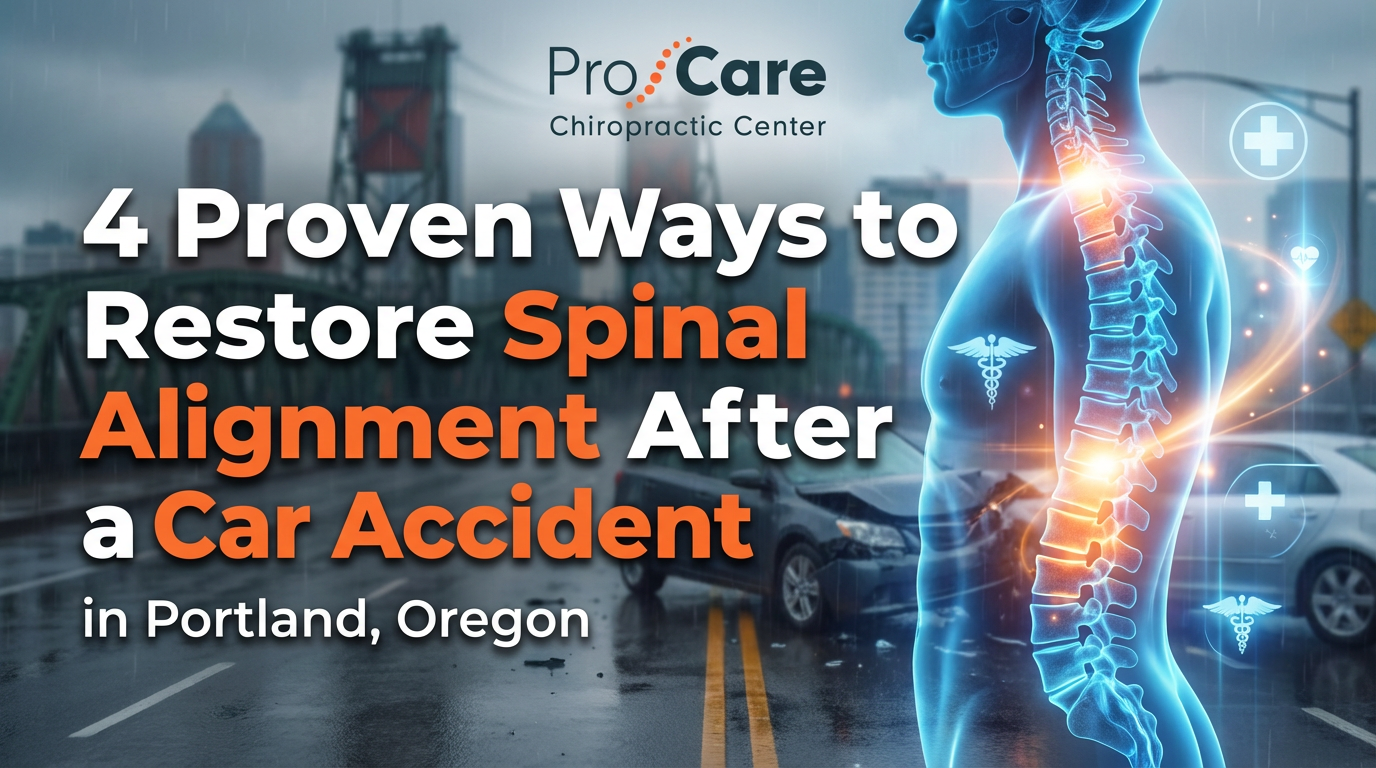
A car accident can disrupt far more than your vehicle. Even a low-speed collision in Portland traffic can place significant stress on your spine, joints, and surrounding soft tissues. While visible injuries may receive immediate attention, spinal misalignment often goes unnoticed — and untreated — until pain, stiffness, or neurological symptoms begin to interfere with daily life.
At ProCare Chiropractic Clinic in Portland, OR, we specialize in treating post-accident injuries, including car accident migraines and post-traumatic headaches. Early evaluation and treatment can make a significant difference in your recovery. Misalignment after a crash can contribute to chronic neck pain, lower back pain, headaches, nerve compression, and long-term mobility limitations.
Below are four evidence-based ways to restore alignment, reduce inflammation, and support a full recovery after a car accident.
1. Schedule a Professional Chiropractic Evaluation Immediately
The first and most important step in restoring alignment after a car accident is a comprehensive chiropractic screening.
During a collision, your spine may experience:
- Sudden acceleration-deceleration forces
- Rotational twisting
- Lateral impact stress
- Compression injuries
These forces can cause vertebrae to shift out of alignment (subluxation), discs to bulge, and soft tissues to stretch or tear.
Why Early Evaluation Matters
Many accident victims feel “fine” immediately after a crash due to adrenaline. Symptoms often appear hours or days later. Waiting can allow:
- Inflammation to increase
- Scar tissue to form improperly
- Joint dysfunction to worsen
- Insurance documentation gaps
A licensed chiropractor will assess:
- Postural imbalances
- Cervical and lumbar spine alignment
- Range of motion
- Neurological reflexes
- Soft tissue damage
- Disc involvement
Imaging such as X-rays may be recommended to evaluate structural changes.
Early diagnosis allows for a customized treatment plan that targets the specific spinal segments affected by the accident.
2. Restore Mobility and Correct Biomechanics
After an auto accident, reduced mobility is extremely common. You may notice:
- Difficulty turning your head
- Stiffness when bending forward
- Tightness in the shoulders
- Limited hip or lower back movement
- Pain when standing or sitting
Spinal misalignment restricts joint motion and disrupts normal biomechanics. When joints do not move properly, surrounding muscles compensate — often leading to further pain and imbalance.
How Chiropractic Care Improves Mobility
Targeted chiropractic adjustments help:
- Realign displaced vertebrae
- Reduce joint fixation
- Decrease nerve pressure
- Restore normal movement patterns
In addition to adjustments, your chiropractor may recommend:
- Corrective stretching
- Core stabilization exercises
- Cervical strengthening movements
- Postural retraining
Restoring proper movement reduces strain on surrounding tissues and accelerates healing.
3. Stay Safely Active During Recovery
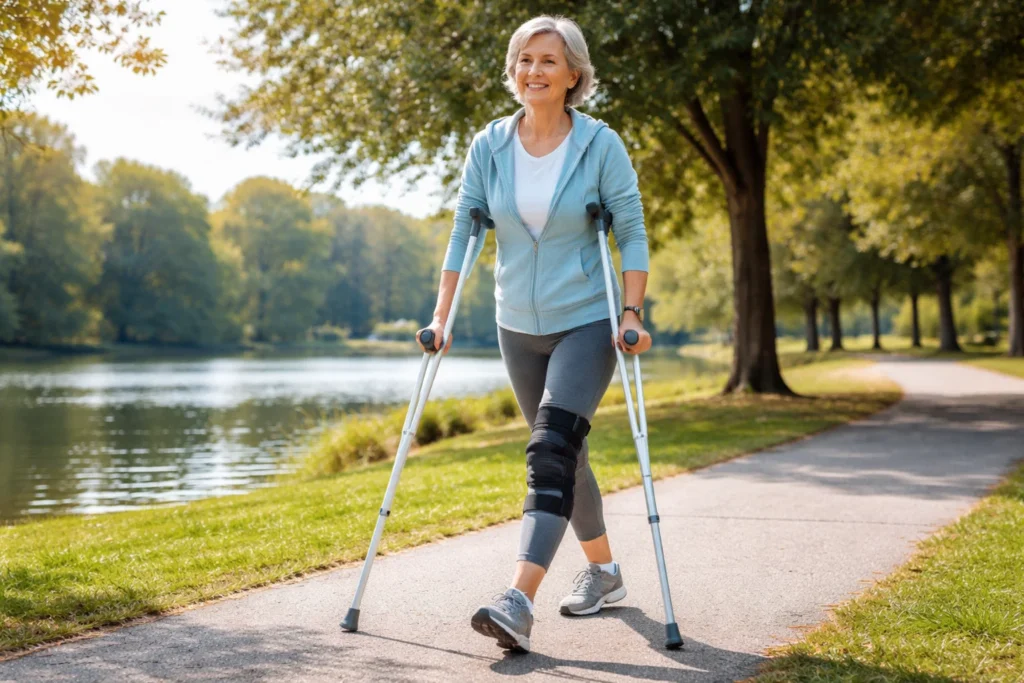
While rest is important immediately after a collision, prolonged inactivity can actually delay recovery.
A sedentary lifestyle after an accident may:
- Increase stiffness
- Reduce circulation
- Promote muscle weakness
- Prolong inflammation
- Increase scar tissue formation
Movement stimulates blood flow, which delivers oxygen and nutrients to damaged tissues.
The Key Is Guided Activity
Not all exercise is safe after a car accident. High-impact or unsupervised workouts may worsen injuries.
A chiropractor can guide you on:
- When to resume activity
- Which movements are safe
- How to protect injured areas
- Progressive rehabilitation timelines
Gentle walking, mobility exercises, and guided therapeutic movements often improve recovery outcomes.
Remaining active under professional supervision helps restore alignment and function faster than inactivity alone.
4. Incorporate Therapeutic Massage to Reduce Scar Tissue and Inflammation
Massage therapy is a powerful complement to chiropractic adjustments following a car accident.
During trauma, muscles tighten to protect injured areas. This protective response can:
- Restrict joint motion
- Pull vertebrae out of alignment
- Increase nerve irritation
- Create chronic tension patterns
Massage therapy helps by:
- Breaking down scar tissue
- Improving circulation
- Reducing inflammation
- Relaxing hypertonic muscles
- Supporting spinal realignment
When used in conjunction with spinal adjustments, massage therapy enhances flexibility and long-term structural correction.
Why Restore Spinal Alignment Matters After a Car Accident
Even minor misalignments can lead to:
- Chronic neck pain
- Lower back pain
- Headaches
- Radiating nerve pain
- Muscle spasms
- Postural dysfunction
- Degenerative disc changes
Left untreated, alignment issues can worsen over time, especially when combined with desk work, poor posture, or physically demanding jobs common in the Portland area.
Early chiropractic care reduces the likelihood of long-term complications.
Car Accident Chiropractic Care in Portland, Oregon
If you’ve been injured in a car accident, seeking treatment promptly protects both your health and your insurance claim.
ProCare Chiropractic Clinic
Address: 10915 SE Stark St. Suite 200, Portland, OR 97216Book: Online BookingPhone: (503) 899-0707
We specialize in:
- Auto accident injuries
- Whiplash treatment
- Spinal realignment
- Soft tissue rehabilitation
- Personal Injury Protection (PIP) claims in Oregon
- Comprehensive documentation for insurance
Our team provides personalized treatment plans tailored to the severity of your injuries and recovery goals.
Take Action Before Minor Injuries Become Chronic Problems
Spinal alignment issues rarely resolve on their own. The longer misalignment persists, the more strain it places on surrounding tissues.
If you’re experiencing pain, stiffness, numbness, or limited mobility after a car accident in Portland, schedule a professional evaluation as soon as possible.
Early intervention improves healing outcomes, reduces inflammation, and helps you return to daily activities safely and confidently.