
The Dangers of Self Neck Cracking in Keizer, Oregon

Neck stiffness is a common complaint among adults in Keizer, Oregon. Long hours at a desk, frequent phone use, commuting, stress, and poor posture often create tension in the cervical spine. In response, many people instinctively twist or stretch their neck until it “cracks” in an attempt to relieve pressure. This habit, commonly known as self neck cracking, is often used as a quick way to ease stiffness and discomfort.
Although the temporary release can feel satisfying, repeatedly cracking your own neck can lead to long-term spinal problems, including joint instability, muscle strain, and chronic discomfort.
At ProCare Chiropractic in Keizer, many patients seek care after experiencing worsening neck pain caused by months or even years of self-manipulation. Understanding the risks and how professional chiropractic adjustments differ is essential for protecting long-term spinal health.
What Happens When You Crack Your Own Neck?
Self neck cracking typically involves movements such as:
- Rotating the head forcefully until a popping sound occurs
- Tilting the neck side to side repeatedly
- Pulling or stretching the cervical spine
- Manipulating the neck multiple times a day for relief
The popping sound people hear during these movements is not bones moving back into place. Instead, it results from gas bubbles releasing within the joint’s synovial fluid, a process known as cavitation.
While this can produce temporary relief, it does not correct spinal misalignment or address the underlying cause of neck tension.
Why People Feel the Need to Crack Their Neck
Many people develop the habit of cracking their neck when they experience symptoms such as:
- Persistent neck stiffness
- Tension headaches
- Reduced range of motion
- Pressure or tightness in the neck
- Forward head posture from desk work
- Stress-related muscle tension
Temporary relief often occurs due to:
- Short-term joint decompression
- Muscle relaxation
- Endorphin release
However, the relief typically lasts only a short time. Repeated manipulation can lead to a cycle where the neck feels increasingly stiff, creating a stronger urge to crack it again.
Major Risks of Cracking Your Own Neck
While occasional gentle movement is not inherently dangerous, repeated forceful self-manipulation can carry several risks.
Ligament and Muscle Strain
When individuals attempt to crack their own neck, they rarely target the specific joint that is restricted. Instead, they often move joints that are already too mobile.
This can lead to:
- Ligament strain
- Muscle irritation
- Increased inflammation
- Joint instability
- Worsening stiffness over time
Without clinical training, it is extremely difficult to control the angle, force, and location needed for safe cervical manipulation.
Cervical Spine Instability
Repeated self-manipulation can overstretch the ligaments that stabilize the cervical spine.
Over time, this may cause:
- Hypermobility (excessive joint movement)
- Reduced structural stability
- Chronic neck discomfort
- Accelerated wear of spinal joints
Because ligaments help maintain proper spinal alignment, overstretching them may increase the risk of long-term degeneration.
Over Manipulation Syndrome
Over Manipulation Syndrome occurs when frequent neck cracking creates joint instability and dependency on self-adjustment.
Common symptoms include:
- Persistent neck discomfort
- Increased urge to crack the neck
- Chronic stiffness
- Sensation of instability
- Recurring headaches
This cycle often leads to short-term relief followed by worsening symptoms.
Potential Risk to Cervical Arteries
The vertebral arteries run through the cervical spine and supply blood to the brain.
Although rare, aggressive or uncontrolled neck twisting may potentially irritate these arteries. In extreme cases, it could contribute to arterial injury.
Because of this risk, cervical spine adjustments should only be performed by trained professionals who evaluate the patient’s anatomy and medical history before treatment.
Masking the Underlying Cause of Pain
One of the biggest concerns with frequent self neck cracking is that it may hide the true cause of neck pain.
Neck discomfort can be related to:
- Poor posture
- Cervical disc irritation
- Muscle imbalance
- Nerve compression
- Work-related strain
- Auto accident injuries
- Early degenerative joint changes
Self-manipulation may temporarily relieve symptoms while allowing the underlying condition to worsen.
How Professional Chiropractic Adjustments Are Different
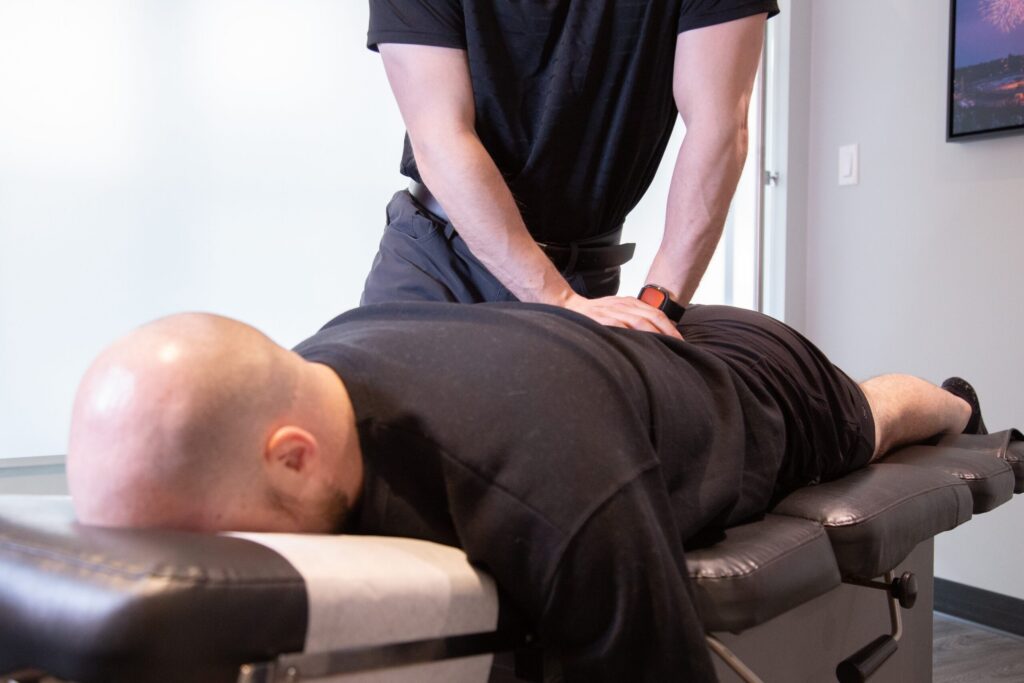
Licensed chiropractors undergo extensive education in spinal anatomy, neurology, and safe adjustment techniques.
A professional chiropractic evaluation in Keizer may include:
- Comprehensive health history review
- Postural assessment
- Range-of-motion testing
- Neurological evaluation
- Spinal alignment analysis
Chiropractors apply precise and controlled adjustments to restricted joints rather than joints that are already hypermobile.
Professional chiropractic care focuses on:
- Correcting spinal misalignment
- Improving joint stability
- Reducing inflammation
- Restoring muscular balance
- Enhancing nervous system function
- Correcting posture
Because adjustments are targeted and controlled, they typically provide longer-lasting relief compared to self-manipulation.
Safer Alternatives to Cracking Your Neck
If you frequently feel the urge to crack your neck, several safer strategies may help relieve tension.
Gentle Stretching
Slow, controlled neck stretches can reduce muscle tightness without placing excessive strain on joints.
Improving Posture
Adjusting workstation ergonomics and maintaining proper posture can reduce stress on the cervical spine.
Strengthening Exercises
Strengthening the upper back and neck muscles improves spinal stability and helps prevent recurring stiffness.
Stress Management
Relaxation techniques and breathing exercises can reduce stress-related muscle tension.
Professional Evaluation
Persistent neck discomfort should be evaluated by a chiropractor to identify structural problems before they worsen.
When to Seek Chiropractic Care
Consider scheduling a chiropractic evaluation if you experience:
- Frequent neck stiffness
- Headaches at the base of the skull
- Tingling or numbness in the arms
- Reduced neck mobility
- Pain that gradually worsens
- Dependence on cracking your neck for relief
Early treatment can help restore proper spinal function and prevent chronic cervical problems.
Chiropractic Care for Neck Pain in Keizer, Oregon
While cracking your own neck may provide temporary relief, the potential risks often outweigh the benefits. Professional chiropractic care offers a safer and more effective approach for addressing neck stiffness and spinal dysfunction.
At ProCare Chiropractic in Keizer, treatment focuses on identifying the root cause of cervical spine problems and restoring proper joint function through safe, targeted chiropractic techniques.
Address: 3785 River Rd N. Keizer, OR 97303Book: Online BookingPhone: (971) 414-3440