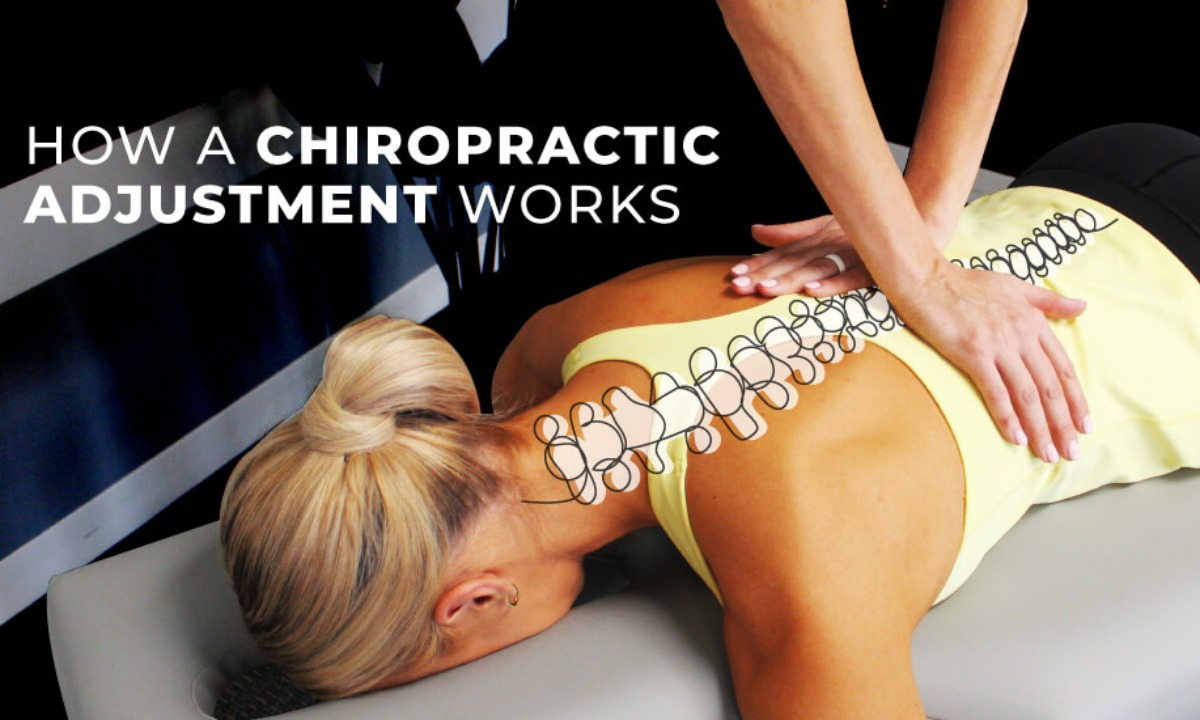
The Risks and Dangers of Self Chiropractic Neck Adjustments, Portland, OR
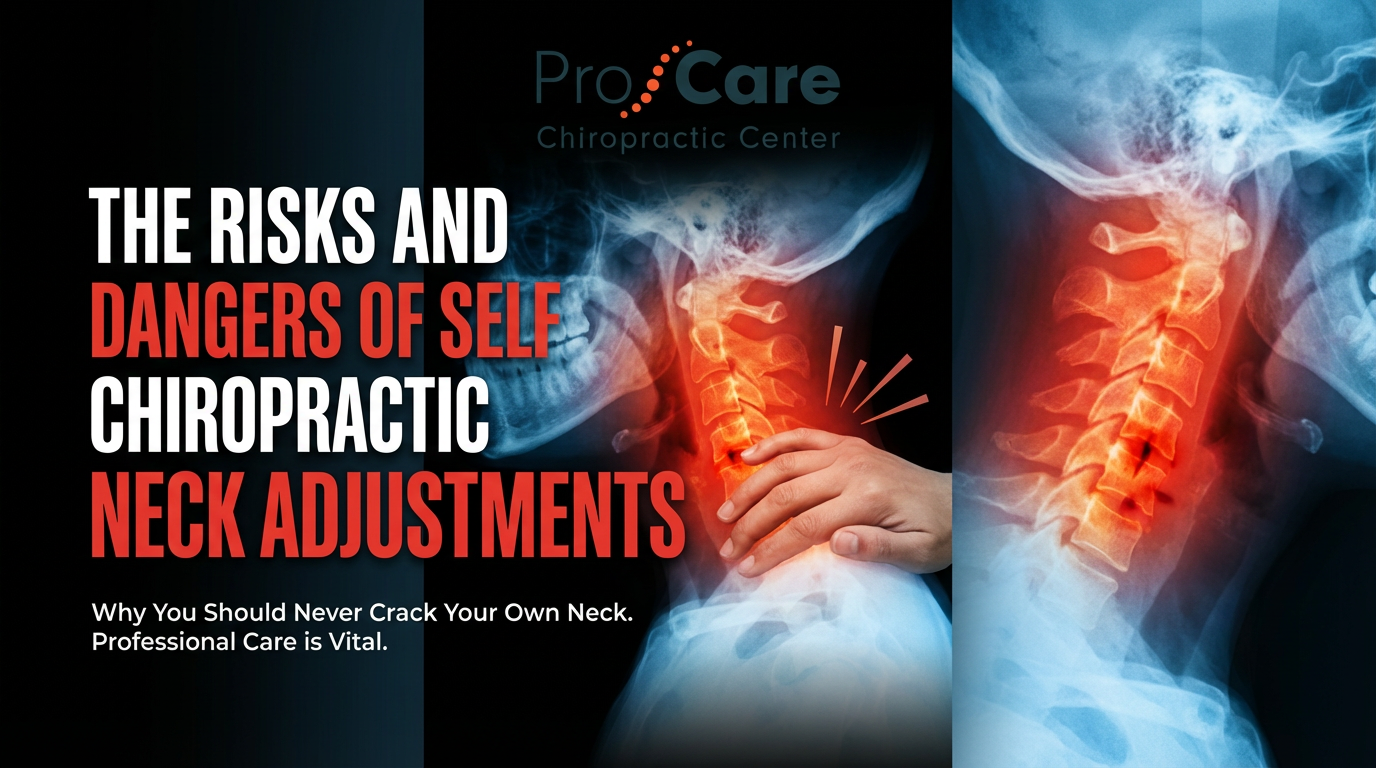
Many people have experienced neck stiffness and the urge to “crack” or twist their neck for quick relief. While it may seem harmless, self chiropractic neck adjustments can pose serious health risks. Attempting to manipulate your cervical spine without proper training may lead to injury, instability, or even long-term complications.
Stop cracking your own neck! ProCare Chiropractic Clinic in Portland, OR explains the risks of self-adjustment and offers safe, professional spinal care.
Understanding the dangers of self neck adjustments—and why professional chiropractic care is safer—is essential for protecting your spinal health.
What Is a Self Chiropractic Neck Adjustment?
A self chiropractic neck adjustment typically involves:
- Twisting the neck quickly until it “pops”
- Tilting the head forcefully side-to-side
- Pulling or rotating the neck to relieve pressure
- Repeatedly cracking the cervical spine at home
The popping sound you hear is not bones shifting back into place. It is caused by gas bubbles releasing from the joint fluid—a process called cavitation. While this may create a sensation of relief, it does not correct the underlying issue causing discomfort.
Why People Crack Their Own Neck
Common reasons people self-adjust include:
- Neck stiffness
- Headaches
- Desk-related posture strain
- Stress tension
- Limited range of motion
The temporary relief comes from the release of endorphins—natural pain-relieving chemicals in the body. However, this relief typically lasts only 15–20 minutes and does not resolve the structural problem.
Major Risks of Self Chiropractic Neck Adjustments
Although cracking your neck occasionally may not immediately cause harm, repeated or forceful self-adjustment can be dangerous.
1. Increased Risk of Injury
When you adjust your own neck, you are unlikely to target the specific joint that is restricted. Instead, you tend to move joints that are already mobile.
This can result in:
- Ligament strain
- Muscle irritation
- Joint instability
- Increased inflammation
Without proper training, it is impossible to control force, angle, and precision the way a licensed chiropractor can.
2. Cervical Artery Damage and Stroke Risk
One of the most serious risks associated with aggressive neck manipulation is arterial dissection.
The vertebral arteries run along the cervical spine and supply blood to the brain. Forceful or repeated twisting of the neck may:
- Damage arterial walls
- Cause small tears
- Lead to blood clot formation
- Restrict blood flow to the brain
Although rare, cervical artery dissection can result in ischemic stroke. Individuals with predisposing factors may be at higher risk.
This is one of the primary reasons neck adjustments should only be performed by trained professionals who understand cervical anatomy and contraindications.
3. Spinal Instability and Hypermobility
Repeated self-adjustment may stretch ligaments surrounding the cervical spine.
Over time, this can cause:
- Hypermobility (excessive joint movement)
- Loss of structural stability
- Chronic neck pain
- Degenerative joint changes
Ligaments are responsible for stabilizing spinal joints. Once overstretched, they do not easily return to their original strength.
4. Over Manipulation Syndrome (OMS)
Over Manipulation Syndrome is a condition linked to repeated self-adjustment.
Symptoms may include:
- Chronic joint pain
- Persistent neck stiffness
- Increased need to crack the neck
- Instability sensations
OMS occurs because frequent manipulation weakens supportive structures and creates a cycle of dependency on temporary relief.
5. Masking the Root Cause of Pain
The biggest danger of self-adjusting is ignoring the underlying issue.
Neck discomfort may be caused by:
- Postural imbalances
- Disc irritation
- Muscle strain
- Nerve compression
- Stress-related tension
- Early degenerative changes
Cracking your neck may dull symptoms briefly but allows the root cause to progress untreated.
Why Professional Chiropractic Adjustments Are Different

Licensed chiropractors undergo extensive education and clinical training to perform spinal adjustments safely.
A professional neck adjustment includes:
- Detailed physical examination
- Postural assessment
- Neurological evaluation
- Range-of-motion testing
- Identification of contraindications
Chiropractors use controlled, specific force targeting restricted joints—not already hypermobile ones.
Professional care focuses on:
- Restoring proper alignment
- Reducing inflammation
- Improving joint mechanics
- Strengthening surrounding muscles
- Correcting posture
This structured approach produces lasting results rather than temporary relief.
Safe Alternatives to Self Neck Cracking
If you feel the urge to crack your neck, consider safer alternatives:
Gentle Stretching
Slow, controlled neck stretches can relieve muscle tension without excessive force.
Postural Corrections
Improving workstation ergonomics and posture reduces strain on cervical joints.
Strengthening Exercises
Building neck and upper back strength stabilizes the spine.
Stress Management
Deep breathing and relaxation techniques reduce tension-related stiffness.
Professional Evaluation
Persistent neck discomfort should be assessed by a healthcare professional.
When to Seek Professional Help
You should schedule an evaluation if you experience:
- Frequent neck stiffness
- Headaches originating at the base of the skull
- Tingling or numbness in the arms
- Reduced neck mobility
- Pain that worsens over time
- Dependence on cracking for relief
Early intervention prevents chronic instability and long-term damage.
The Bottom Line: Temporary Relief Is Not Worth the Risk
While self chiropractic neck adjustments may seem harmless, the risks can be significant. From ligament damage and spinal instability to the rare but serious risk of arterial injury, cracking your own neck is not a safe long-term solution.
Professional chiropractic care provides:
- Precise spinal adjustments
- Root-cause diagnosis
- Safe manipulation techniques
- Long-term pain relief
- Improved spinal stability
If you are dealing with ongoing neck pain or stiffness, the safest path forward is evaluation by a licensed chiropractor.
Protect your spine. Seek expert care rather than risking your long-term health for short-term relief.
Address: 10915 SE Stark St. Suite 200, Portland, OR 97216Book: Online BookingPhone: (503) 899-0707