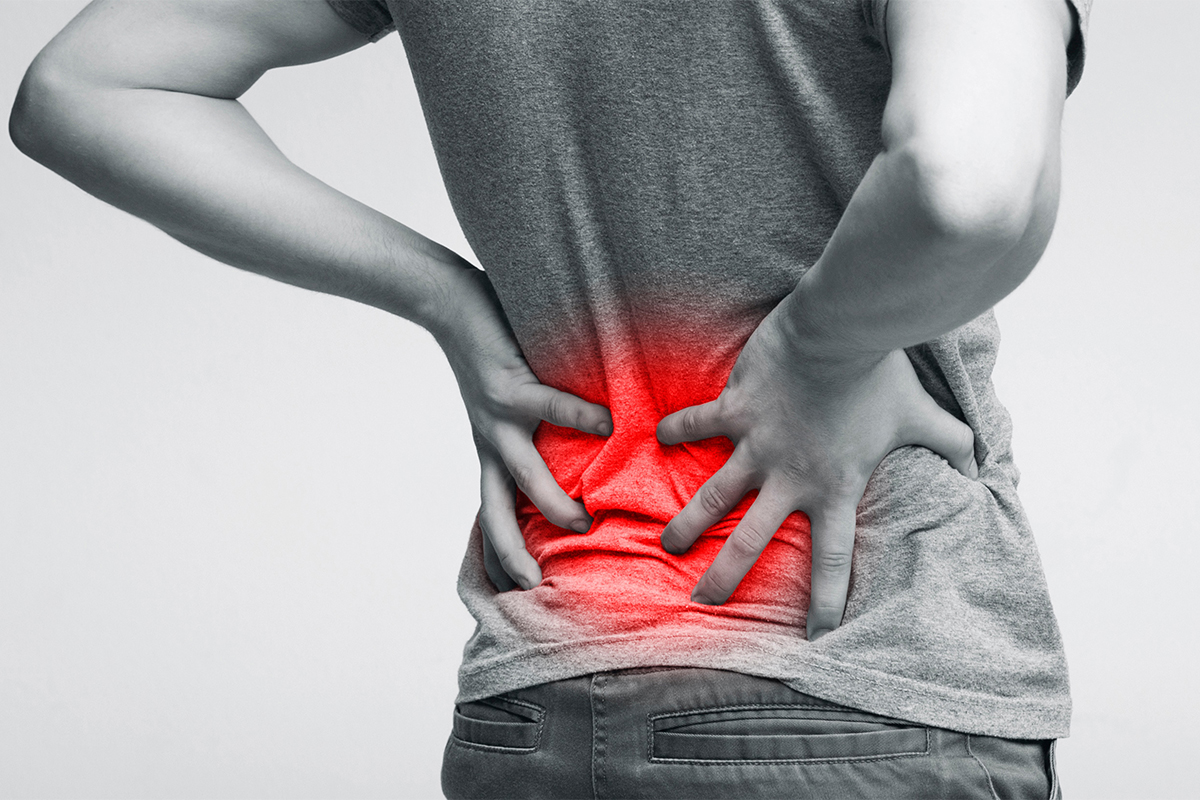
Rotator Cuff Injury After a Car Accident in Keizer, Oregon
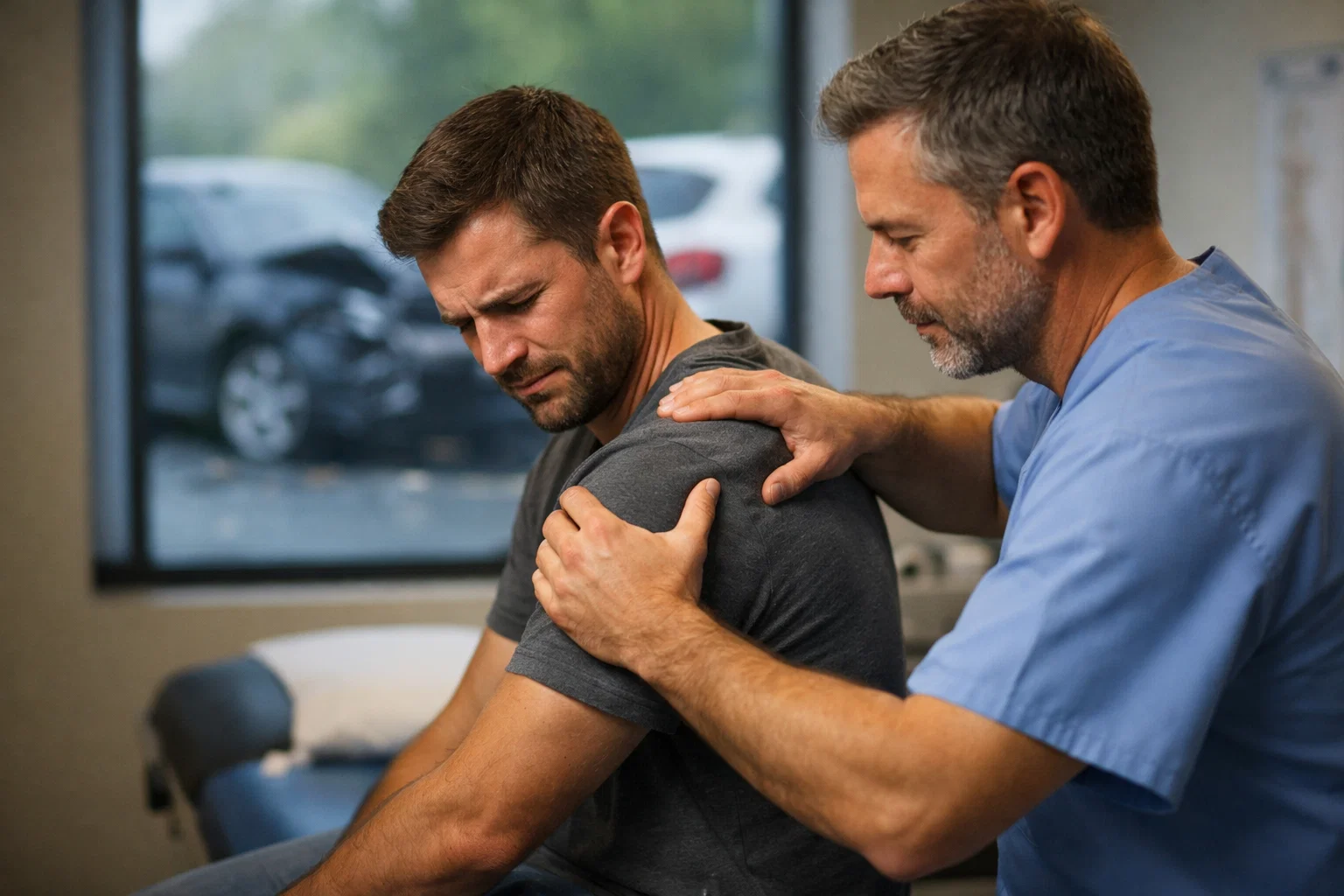
Your rotator cuff is not a single muscle. It is a group of four muscles and their tendons that stabilize the shoulder joint and control arm movement. These muscles help keep the humerus (upper arm bone) properly positioned in the shoulder socket while allowing lifting, reaching, and rotational movement.
After a car accident in Keizer, Oregon, the sudden force of impact can strain, partially tear, or completely tear rotator cuff tendons. Even low-speed collisions can transmit significant force through the steering wheel, seatbelt, or bracing reflex, placing stress on the shoulder joint.
Without proper treatment, a rotator cuff injury may lead to chronic shoulder pain, weakness, limited mobility, and long-term dysfunction.
At ProCare Chiropractic in Keizer, we evaluate and treat shoulder injuries commonly associated with motor vehicle accidents, including rotator cuff strains, partial tears, and shoulder dysfunction related to spinal misalignment or whiplash.
Common Symptoms of a Rotator Cuff Injury After a Car Accident
Pain is often the first symptom of a rotator cuff injury, but additional symptoms may develop over time.
Common warning signs include:
- Shoulder weakness
- Limited range of motion
- Difficulty lifting your arm
- Pain when reaching overhead or behind your back
- Discomfort while dressing or brushing hair
- Pain radiating down the arm
- Neck and upper back tension
- Swelling around the shoulder joint
- Clicking or popping sensations
- Difficulty sleeping on the injured side
If a tendon is torn rather than strained, pain may feel sharp and immediate. In more severe cases, muscle weakness may make it difficult to lift even light objects.
Adrenaline released after a car accident can temporarily mask symptoms, so pain and stiffness may worsen hours or days later. Early evaluation is important to prevent further tissue damage.
Rotator Cuff Injury vs. Shoulder Dislocation
After a motor vehicle accident, it may be difficult to distinguish between a rotator cuff injury and a shoulder dislocation.
Both conditions can cause:
- Severe shoulder pain
- Reduced mobility
- Weakness in the arm
- Swelling or tenderness
Shoulder dislocations are among the most common joint injuries in auto accidents. A dislocation can also damage surrounding tendons, ligaments, nerves, and blood vessels — sometimes leading to secondary rotator cuff injury.
A comprehensive musculoskeletal examination helps determine whether the injury involves:
- Tendon strain
- Partial tendon tear
- Complete tear
- Joint instability
- Cervical spine involvement
- Nerve irritation
Accurate diagnosis is essential for developing an effective treatment plan.
How Car Accidents Cause Rotator Cuff Injuries
In many auto accidents, shoulder injuries occur when the body reacts suddenly to impact forces.
Common injury mechanisms include:
- Gripping the steering wheel during impact
- Bracing against the dashboard
- Seatbelt force across the shoulder
- Rapid deceleration
- Side-impact collisions
These forces can place sudden compression, rotation, or traction on the shoulder joint, exceeding the normal limits of soft tissue strength.
Treatment Options for Rotator Cuff Injuries
Treatment depends on the severity of the injury and whether other structures, such as the cervical spine or nerves, are involved.
Rest and Early Conservative Care
For mild strains or small partial tears, conservative treatment may allow the shoulder to heal naturally.
Early care may include:
- Temporary activity modification
- Ice therapy to control inflammation
- Avoiding overhead lifting
- Gentle stabilization of the shoulder joint
Protecting the shoulder during the early healing phase helps prevent further tissue damage.
Structured Rehabilitation
If weakness or limited mobility persists, guided rehabilitation becomes essential.
Rehabilitation programs may include:
- Rotator cuff strengthening exercises
- Scapular stabilization training
- Range-of-motion restoration
- Progressive resistance exercises
- Neuromuscular re-education
Without structured rehabilitation, shoulder injuries may lead to long-term weakness and reduced mobility.
Chiropractic Care for Auto Accident Shoulder Injuries

Car accidents rarely injure only one area of the body. Shoulder injuries are frequently associated with:
- Cervical spine misalignment
- Upper thoracic joint dysfunction
- Nerve irritation
- Whiplash-related disorders
- Postural imbalance
Chiropractic care addresses both the shoulder injury and related spinal dysfunction.
Treatment may include:
- Gentle spinal and shoulder joint adjustments
- Soft tissue therapy
- Myofascial release techniques
- Mobility restoration
- Therapeutic stretching
- Electrical muscle stimulation when appropriate
Benefits of Chiropractic Care for Shoulder Injuries
Restoring Proper Alignment
Even when the shoulder joint appears stable, surrounding spinal segments may be misaligned. Correcting spinal biomechanics can reduce unnecessary stress on the shoulder.
Improving Circulation
Enhanced blood flow delivers oxygen and nutrients to damaged tissues, helping accelerate healing.
Reducing Inflammation
Soft tissue therapy and controlled movement can help regulate inflammation and reduce swelling.
Addressing Cervical Spine Involvement
Shoulder pain sometimes originates from nerve irritation in the neck. Treating cervical spine dysfunction may reduce radiating arm pain, numbness, or weakness.
When Are Steroid Injections or Surgery Necessary?
Steroid Injections
If inflammation remains severe, corticosteroid injections may temporarily reduce pain. However, injections do not repair torn tendons and typically provide only short-term relief.
Surgical Intervention
Surgery may be recommended if:
- A complete rotator cuff tear is present
- Severe weakness persists
- Conservative care fails to improve symptoms
- Structural damage is significant
Post-surgical recovery often requires months of rehabilitation and coordinated musculoskeletal care.
Other Car Accident Injuries That Affect the Shoulder
Rotator cuff injuries frequently occur alongside other accident-related injuries.
Whiplash
Whiplash occurs when the head rapidly moves forward and backward during impact. This motion strains the cervical spine and can cause referred pain in the shoulder.
Sprains and Strains
Ligaments and muscles around the shoulder and upper back may stretch or tear, leading to:
- Muscle spasms
- Swelling
- Tenderness
- Limited mobility
Untreated soft tissue injuries may lead to scar tissue formation and chronic dysfunction.
Why Early Treatment Matters
Delaying care after a car accident may result in:
- Chronic shoulder pain
- Persistent weakness
- Reduced mobility
- Scar tissue buildup
- Compensatory neck and back strain
- Long-term joint instability
Early diagnosis allows targeted treatment before structural damage worsens.
When to Seek Evaluation After a Car Accident
You should schedule a professional evaluation if you experience:
- Shoulder pain after a car accident
- Weakness lifting your arm
- Clicking or instability in the shoulder
- Radiating pain down the arm
- Neck stiffness along with shoulder discomfort
- Difficulty sleeping due to shoulder pain
Even minor collisions can generate enough force to injure the shoulder complex.
Start Your Recovery Today
At ProCare Chiropractic, we provide comprehensive evaluation and treatment for auto accident shoulder injuries, including rotator cuff strains and related musculoskeletal conditions.
Our goal is to restore spinal alignment, improve shoulder mobility, reduce inflammation, and prevent long-term complications.
Address: 3785 River Rd N. Keizer, OR 97303Book: Online BookingPhone: (971) 414-3440
If you were injured in a car accident and are experiencing shoulder pain in Keizer, contact ProCare Chiropractic today to schedule a comprehensive evaluation and begin your recovery. Early treatment greatly improves the chances of full shoulder function and long-term stability.