
Rear-End Collisions and Whiplash Injuries: How Chiropractic Care in Portland, Oregon Helps You Recover
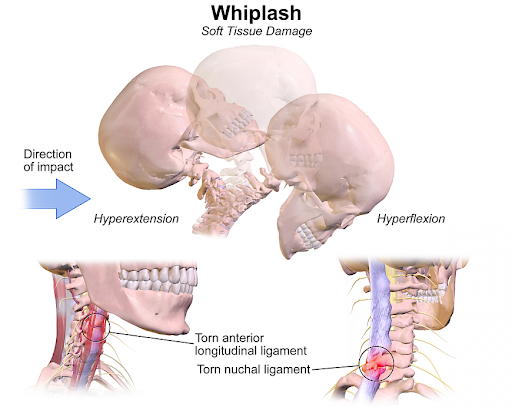
Rear-end collisions are one of the most common types of car accidents in the United States—and also one of the most misunderstood when it comes to injuries. Many drivers and passengers walk away from a rear-end crash believing they are “fine,” only to develop neck pain, stiffness, headaches, or neurological symptoms days or even weeks later.
One of the most frequent injuries caused by rear-end collisions is whiplash. This soft-tissue and spinal injury can significantly affect your quality of life if left untreated.
At ProCare Chiropractic Clinic, whiplash injuries from rear-end accidents are treated daily using evidence-based chiropractic care designed to restore spinal alignment, reduce inflammation, and prevent long-term complications.
Why Rear-End Collisions Commonly Cause Whiplash
In a rear-end collision, your vehicle is suddenly struck from behind, forcing your body forward while your head lags behind. Almost immediately after, your head snaps forward again. This violent back-and-forth motion places extreme stress on the cervical spine (neck).
Even low-speed rear-end crashes—sometimes as slow as 5–10 mph—can cause whiplash injuries because the neck is not designed to tolerate sudden acceleration and deceleration.
What Happens to the Body During Whiplash?
- Cervical vertebrae may shift out of alignment
- Intervertebral discs can bulge or become irritated
- Muscles and ligaments stretch beyond their normal range
- Nerves may become compressed or inflamed
This trauma often does not show up immediately due to adrenaline and shock masking pain.
What Is Whiplash?
Whiplash is a soft-tissue injury involving the muscles, ligaments, joints, discs, and nerves of the neck and upper back. While it may sound minor, untreated whiplash can become a chronic condition.
Common Whiplash Symptoms
Symptoms may appear hours, days, or weeks after a rear-end collision:
- Neck pain and stiffness
- Headaches (often starting at the base of the skull)
- Limited range of motion
- Shoulder and upper back pain
- Tingling or numbness in arms or hands
- Ringing in the ears (tinnitus)
- Blurred vision
- Dizziness or balance issues
- Difficulty concentrating (“brain fog”)
If you are experiencing any of these symptoms after a rear-end accident, chiropractic evaluation is strongly recommended.
Why Whiplash Gets Worse Without Treatment
Whiplash injuries tend to progress, not resolve, when ignored.
Without treatment:
- Inflammation increases
- Scar tissue forms in soft tissues
- Spinal misalignments worsen
- Nerve irritation persists
This can lead to:
- Chronic neck pain
- Post-traumatic headaches or migraines
- Degenerative disc changes
- Reduced mobility
- Long-term disability
Early chiropractic care significantly reduces the risk of chronic whiplash syndrome.
How a Chiropractor Diagnoses Whiplash After a Rear-End Accident
When you visit ProCare Chiropractic Clinic in Portland, your chiropractor performs a comprehensive evaluation designed specifically for auto accident injuries.
Diagnostic Evaluation May Include:
- Postural analysis
- Cervical range-of-motion testing
- Reflex and neurological exams
- Orthopedic testing
- Muscle strength assessment
- X-rays or advanced imaging (if needed)
This thorough approach ensures no hidden injuries are missed.
Chiropractic Treatment for Whiplash Injuries
Once your injury is diagnosed, a personalized treatment plan is created to restore spinal health and promote natural healing.
Common Whiplash Treatments Include:
Spinal Adjustments
Gentle, precise adjustments restore proper alignment to the cervical spine, reducing nerve pressure and improving mobility.
Soft Tissue Therapy
Targeted muscle work helps break down scar tissue, reduce spasms, and improve circulation.
Trigger Point Therapy
Relieves localized muscle knots that contribute to pain and restricted motion.
Therapeutic Ultrasound
Uses sound waves to reduce inflammation and accelerate soft-tissue healing.
Corrective Exercises
Customized exercises strengthen the neck and upper back to prevent re-injury.
This multi-modal approach treats both the cause and symptoms of whiplash.
How Long Does Whiplash Recovery Take?
Recovery time varies depending on:
- Severity of the accident
- Speed of impact
- Previous neck injuries
- How quickly treatment begins
Typical Recovery Timeline:
- Mild cases: 4–6 weeks
- Moderate cases: 2–3 months
- Severe cases: several months with ongoing care
Early chiropractic treatment leads to faster recovery and better outcomes.
Why Choose Chiropractic Care After a Rear-End Collision?

Chiropractic care offers a non-invasive, drug-free approach to whiplash recovery.
Benefits include:
- Pain relief without opioids
- Improved neck mobility
- Reduced inflammation
- Prevention of chronic conditions
- Detailed documentation for insurance claims
Chiropractors are trained specifically in spinal biomechanics—making them ideal for treating whiplash injuries.
Trusted Whiplash Treatment in Portland, Oregon
ProCare Chiropractic Clinic specializes in auto accident injuries, including rear-end collisions and whiplash.
Address: 10915 SE Stark St. Suite 200, Portland, OR 97216
Book: Online Booking
Phone: (503) 899-0707
Why Patients Choose ProCare:
- Extensive experience with car accident injuries
- Personalized treatment plans
- Gentle, evidence-based chiropractic care
- Local Portland clinic with easy access
Don’t Ignore Whiplash After a Rear-End Accident
Even if you feel “okay” immediately after a crash, whiplash symptoms can appear later and worsen quickly. Waiting too long can turn a treatable injury into a long-term problem.
👉 If you’ve been involved in a rear-end collision in Portland or surrounding areas, schedule your chiropractic evaluation today at ProCare Chiropractic Clinic.
Your spine—and your future health—depend on it.