Neuromuscular Massage vs. Deep Tissue Massage in Portland, Oregon: What’s the Difference and Which One Is Right for You?
If you’ve been searching for neuromuscular massage in Portland, Oregon, or wondering whether it’s the same as a deep tissue massage, you’re not alone. Many patients at ProCare Chiropractic Clinic in Portland ask this exact question before beginning treatment.
Neuromuscular Massage. At first glance, neuromuscular massage therapy and deep tissue massage can seem very similar. Both are more focused and intense than a relaxation massage. Both are used to relieve pain. Both involve sustained pressure and slow, deliberate movements.
But they are not the same.
In fact, understanding the difference can determine whether your pain improves quickly — or lingers longer than it should.
If you are dealing with chronic neck pain, lower back pain, whiplash after a car accident, sports injuries, or nerve-related discomfort, choosing the right form of massage therapy in Portland can make a significant difference in your recovery.
Let’s break down the differences clearly so you know exactly what to expect.
What Is Deep Tissue Massage?
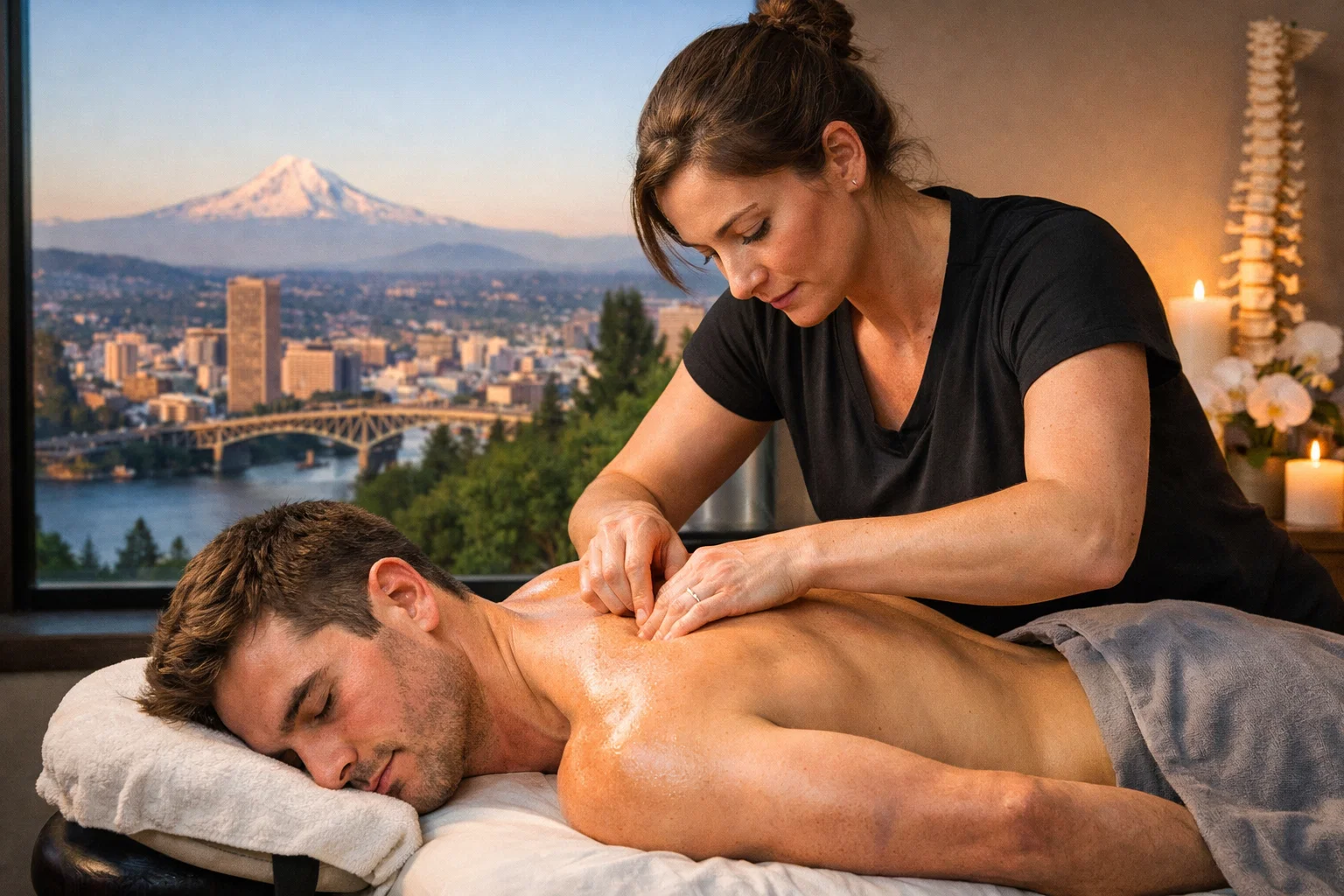
Deep tissue massage is a therapeutic massage technique that focuses on the deeper layers of muscle and connective tissue. It is commonly used to treat:
- Chronic muscle tension
- Postural strain
- Sports-related tightness
- General back and neck pain
- Scar tissue formation
- Limited mobility
Unlike a Swedish massage, which focuses on relaxation, deep tissue massage applies sustained pressure using slow strokes. The goal is to break up adhesions and scar tissue while improving blood flow to injured areas.
How Deep Tissue Massage Works
Deep tissue massage works by:
- Increasing circulation
- Reducing muscle tension
- Breaking down scar tissue
- Improving flexibility
- Reducing inflammation
This type of massage is often recommended for patients in Portland who sit for long hours, work physically demanding jobs, or experience ongoing stress-related muscle tightness.
While deep tissue massage can feel intense, it should never feel unbearable. Communication with your provider is essential to ensure the pressure is appropriate.
What Is Neuromuscular Massage Therapy?
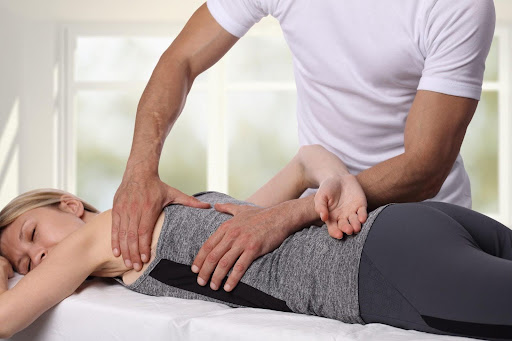
Neuromuscular massage therapy (NMT) is far more specialized.
It is sometimes referred to as medical massage therapy because it is highly targeted and based on neuromuscular science. Instead of treating general muscle tightness, neuromuscular massage focuses specifically on:
- Trigger points
- Nerve compression
- Circulatory issues
- Postural distortions
- Biomechanical dysfunction
This technique is commonly used in chiropractic and rehabilitative settings — especially for patients recovering from auto accidents in Portland, sports injuries, or chronic musculoskeletal dysfunction.
Trigger Points and Neuromuscular Dysfunction
Trigger points are hyperirritable spots in muscle tissue that cause referred pain. For example:
- A trigger point in the shoulder can cause headaches
- A trigger point in the hip can cause radiating leg pain
- A trigger point in the neck can mimic migraine symptoms
Neuromuscular massage therapy isolates and deactivates these trigger points.
This is not a general full-body massage. It is precise. Focused. Corrective.
Key Differences Between Neuromuscular and Deep Tissue Massage
1. Level of Specialization
Deep tissue massage can be performed by most licensed massage therapists.
Neuromuscular massage therapy requires additional specialized training and certification. It involves advanced understanding of:
- Muscle anatomy
- Nerve pathways
- Biomechanics
- Pain referral patterns
In a chiropractic setting like ProCare Chiropractic Clinic in Portland, OR, neuromuscular massage is often integrated into a larger corrective care plan.
2. Treatment Focus
Deep Tissue Massage:
- Treats general muscle tightness
- Often full-body
- Great for stress and recovery
- Typically one or occasional sessions
Neuromuscular Massage:
- Treats specific pain patterns
- Focuses on single problem areas
- Requires multiple structured sessions
- Part of a rehabilitation plan
If you’re dealing with long-term lower back pain, chronic migraines, or post-car accident whiplash, neuromuscular massage therapy is often the more effective choice.
3. Tools and Techniques
Deep tissue massage uses:
- Hands
- Forearms
- Elbows
- Slow sustained strokes
Neuromuscular massage may include:
- Precise trigger point compression
- Myofascial release techniques
- Positional release therapy
- Specialized leverage tools (in some cases)
Neuromuscular therapy is highly structured. Each session builds upon the last.
Conditions Treated with Neuromuscular Massage in Portland
Patients seeking chiropractic care in Portland, Oregon often benefit from neuromuscular massage for:
- Whiplash injuries
- Herniated discs
- Sciatica
- Car accident soft tissue injuries
- Tendonitis
- Chronic headaches
- Nerve compression
- Postural dysfunction
- Myofascial pain syndrome
If you were recently in a car accident in Portland, even a minor one, soft tissue damage may not show up immediately. Neuromuscular therapy can address these hidden injuries before they become chronic.
Conditions Treated with Deep Tissue Massage

Deep tissue massage is effective for:
- Muscle stiffness
- Athletic recovery
- General chronic pain
- Fibromyalgia support
- Repetitive strain injuries
- Tight shoulders and upper back
- Workplace-related posture pain
It is ideal for patients who need muscular relief but do not necessarily have complex nerve involvement.
Which Massage Is Better for Car Accident Injuries?
If you’ve been involved in an auto accident in Portland, neuromuscular massage therapy is often the better option.
Here’s why:
Car accidents commonly cause:
- Whiplash
- Soft tissue strain
- Ligament sprain
- Nerve irritation
- Trigger point activation
Deep tissue massage may relieve tension temporarily.
Neuromuscular therapy addresses the root cause.
In Oregon, auto insurance policies typically include Personal Injury Protection (PIP), which often covers chiropractic and massage therapy after a car accident. Many patients are surprised to learn that their treatment may cost little to nothing out of pocket.
Is Neuromuscular Massage Painful?
Both deep tissue and neuromuscular massage can feel intense.
However:
- It should never be sharp or unbearable
- It should never cause lingering worsening pain
- Communication with your provider is essential
Some mild soreness is normal after either therapy, especially if trigger points were released. This usually resolves within 24–48 hours.
Why Proper Diagnosis Matters
Choosing between deep tissue massage and neuromuscular therapy should not be guesswork.
At ProCare Chiropractic Clinic in Portland, every patient begins with a comprehensive evaluation. This may include:
- Postural analysis
- Range of motion testing
- Neurological screening
- Orthopedic assessment
- Discussion of injury history
Based on your findings, we determine whether deep tissue massage, neuromuscular therapy, spinal adjustments, or a combination of therapies is most appropriate.
Why Portland Patients Choose ProCare Chiropractic Clinic
If you are searching for:
- Neuromuscular massage Portland
- Deep tissue massage Portland OR
- Car accident chiropractor Portland
- Whiplash treatment Portland
- Chiropractic care near SE Stark St
We are here to help.
ProCare Chiropractic Clinic
Address: 10915 SE Stark St. Suite 200, Portland, OR 97216
Book: Online Booking
Phone: (503) 899-0707
We specialize in:
- Auto accident injury treatment
- Soft tissue rehabilitation
- Chronic pain management
- Chiropractic adjustments
- Therapeutic massage
Our approach is not cookie-cutter. Every treatment plan is personalized based on your condition, lifestyle, and recovery goals.
Final Thoughts
Neuromuscular massage and deep tissue massage are not the same.
Deep tissue massage is excellent for relieving general muscle tension and promoting recovery.
Neuromuscular massage therapy is more precise, corrective, and medically focused — especially for patients dealing with nerve compression, chronic pain, or car accident injuries.
If you are unsure which option is right for you, the safest step is to schedule an evaluation.
Ignoring chronic pain rarely makes it disappear. Early intervention leads to faster recovery and better long-term outcomes.
If you’re in Portland and experiencing persistent discomfort, call ProCare Chiropractic Clinic today at (503) 899-0707 and schedule your consultation.
Your body deserves proper care — not temporary relief.