
Never Perform a Self Neck Adjustment at Home: The Hidden Risks You Need to Know, Portland, OR
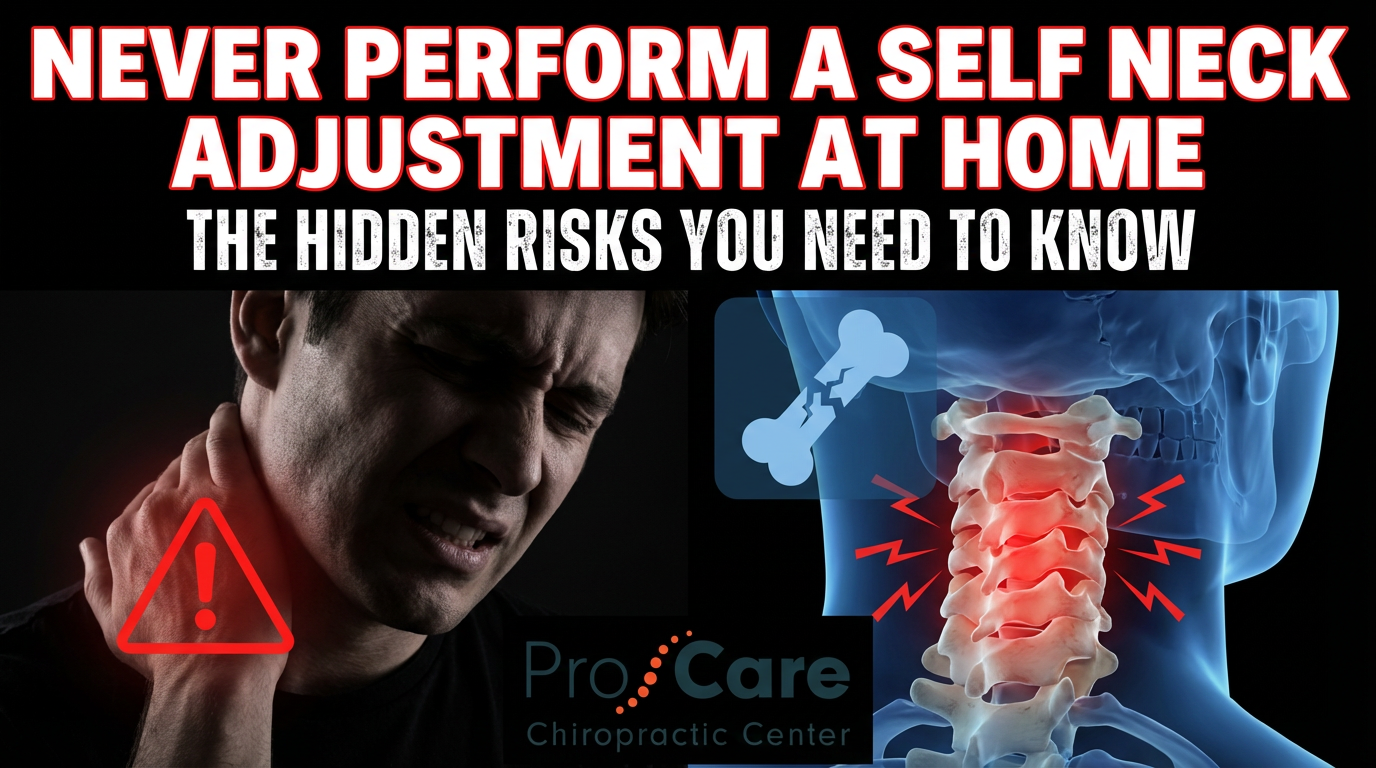
Neck pain is one of the most common musculoskeletal complaints in adults today. Long hours at a desk, poor posture, stress, athletic strain, and especially auto accidents can all contribute to stiffness and discomfort in the cervical spine.
When that tight, restricted feeling builds up, it can be tempting to twist or force your neck until you hear that familiar “pop.” Many people do it every day without thinking twice.
But here is the truth: self neck adjustment at home can be dangerous.
While it may provide brief relief, repeatedly cracking or forcefully manipulating your own neck can lead to serious complications. Understanding the risks—and knowing when to seek professional chiropractic care—can protect your spine and long-term health.
What Is a Self Neck Adjustment?
A self neck adjustment, sometimes called self-manipulation, is the act of cracking or twisting your neck without professional guidance from a licensed chiropractor.
The popping sound you hear is not bones “realigning.” It occurs when:
- Joint capsules are stretched
- Pressure inside the joint changes
- Gas bubbles in synovial fluid rapidly release
This process is called cavitation.
Occasional, gentle movement that naturally produces a pop is usually not harmful. However, forcing your neck into extreme positions to achieve that pop is where danger begins.
Why People Crack Their Neck
Most individuals perform self neck adjustments because they experience:
- Stiffness
- Pressure
- Reduced mobility
- Mild pain
- Headaches
- Desk-related tension
The temporary relief comes from:
- Release of built-up joint pressure
- Stimulation of endorphins (natural pain-relieving chemicals)
- Brief muscle relaxation
However, this relief is short-lived and does not correct underlying spinal misalignment or injury.
The Real Dangers of Self Neck Adjustments
1. You May Not Be Adjusting the Problem Area
When you manipulate your own neck, you are usually moving the most mobile joints—not the restricted or misaligned ones.
This means:
- The unstable joints become looser
- The stiff joints remain restricted
- Imbalance increases over time
Repeated self-manipulation can lead to hypermobility, where joints become too loose and unstable.
2. Risk of Pinched Nerves
Forceful twisting can compress or irritate cervical nerves.
Symptoms may include:
- Sharp shooting pain
- Tingling in arms or hands
- Numbness
- Muscle weakness
- Reduced shoulder mobility
A pinched nerve can significantly disrupt daily function and may require professional treatment.
3. Ligament Damage and Joint Instability
The ligaments in your neck provide critical stability. Repeated forced cracking can stretch these ligaments beyond their normal limits.
Over time, this can lead to:
- Chronic instability
- Increased injury risk
- Persistent neck pain
- Accelerated joint degeneration
This condition is sometimes associated with over-manipulation syndrome.
4. Risk to Blood Vessels
The cervical spine houses major arteries that supply blood to the brain.
Aggressive self-adjustment can, in rare but serious cases:
- Damage blood vessels
- Contribute to clot formation
- Restrict blood flow to the brain
Although the risk is low, the potential consequences are severe enough that self-manipulation should never be taken lightly.
Why Neck Pain Happens in the First Place

Instead of cracking your neck, it’s important to understand why it hurts.
Common causes include:
- Poor posture
- Forward head position
- Muscle strain
- Herniated discs
- Whiplash
- Degenerative changes
- Stress tension
- Auto accidents
Many patients who attempt self-adjustment are unknowingly dealing with deeper structural issues that require professional care.
Chronic Neck Pain After a Car Accident: A Major Warning Sign
One of the most common reasons people attempt self neck adjustments is discomfort following a car accident.
Auto collisions frequently cause:
- Whiplash
- Cervical spine misalignment
- Soft tissue tears
- Muscle strain
- Nerve compression
Whiplash, in particular, occurs when the head snaps forward and backward rapidly. Symptoms may appear:
- Immediately
- Hours later
- Days later
- Even weeks later
Common whiplash symptoms include:
- Neck stiffness
- Reduced range of motion
- Shoulder pain
- Headaches
- Dizziness
Attempting to crack your neck after a car accident can worsen ligament damage and delay healing.
Six Types of Pain After a Car Accident
Understanding post-accident symptoms can help you avoid risky self-treatment.
1. Chronic Neck Pain
The cervical spine is vulnerable because seatbelts do not restrain the head and neck. Misalignment can occur even in low-speed crashes.
Professional chiropractic adjustments gently restore alignment without causing additional trauma.
2. Back Pain
Rear-end collisions often force the spine to absorb impact.
Symptoms may include:
- Dull ache
- Sharp nerve pain
- Stiffness
- Limited movement
Self-adjusting your back can be just as risky as cracking your neck.
3. Shoulder Pain
Shoulder pain often stems from:
- Neck injuries
- Nerve compression
- Muscle strain
Targeted therapy—not self-manipulation—is the appropriate treatment.
4. Muscle Strain
Widespread muscle strain can result from impact forces. Massage therapy and structured rehabilitation help restore function safely.
5. Nerve Pain and Numbness
Tingling, burning, or numbness may signal spinal nerve compression.
These symptoms require professional evaluation immediately.
6. Headaches and Migraines
Post-accident headaches may stem from:
- Cervical misalignment
- Muscle tension
- Concussion
- Nerve irritation
Chiropractic care can reduce cervical tension and improve joint motion, helping relieve tension headaches and certain migraine triggers.
Why Professional Chiropractic Adjustments Are Different
A licensed chiropractor:
- Evaluates spinal alignment
- Assesses range of motion
- Identifies instability
- Uses precise, controlled force
- Targets specific restricted joints
- Avoids hypermobile segments
Professional adjustments are strategic and therapeutic—not forceful or random.
In addition, chiropractors may incorporate:
- Soft tissue therapy
- Corrective exercises
- Postural retraining
- Rehabilitation programs
- Lifestyle guidance
This comprehensive approach treats the root cause—not just the symptom.
When to See a Chiropractor Immediately
Schedule a professional evaluation if you experience:
- Persistent neck pain
- Decreased mobility
- Swelling
- Numbness or tingling
- Radiating arm pain
- Headaches after an accident
- Difficulty turning your head
Ignoring symptoms or attempting self-treatment can allow minor problems to become chronic conditions.
Safer Alternatives to Self Neck Adjustment
If you feel neck tension, try:
- Gentle range-of-motion stretches
- Postural correction
- Ergonomic adjustments at your workstation
- Heat therapy
- Regular movement breaks
But if discomfort persists, professional assessment is essential.
The Long-Term Consequences of Ignoring Proper Care
Repeated self-adjustment can contribute to:
- Chronic instability
- Early degenerative changes
- Persistent headaches
- Ongoing nerve irritation
- Compensatory shoulder and upper back pain
What begins as mild stiffness can evolve into long-term dysfunction.
Chiropractic Care: A Safer, Effective Solution
Professional chiropractic care provides:
- Drug-free pain relief
- Restored joint alignment
- Improved mobility
- Reduced inflammation
- Enhanced nervous system function
- Long-term spinal health
Unlike self-manipulation, chiropractic adjustments are controlled, precise, and based on clinical evaluation.
Final Thoughts: Protect Your Neck and Spine
Cracking your neck at home may feel harmless—but forceful self neck adjustment carries real risks.
Temporary relief is not worth:
- Nerve injury
- Ligament damage
- Chronic instability
- Vascular complications
If your neck feels stiff or painful, your body is signaling that something needs attention.
Instead of forcing a pop, seek professional care. A licensed chiropractor can safely restore alignment, relieve tension, and address the underlying cause of your discomfort.
Your spine supports your nervous system, mobility, and long-term health. Treat it with the care and expertise it deserves.
Address: 10915 SE Stark St. Suite 200, Portland, OR 97216Book: Online BookingPhone: (503) 899-0707