8 Ways to Take Care of Your Spine Every Day In Portland, OR

Back pain doesn’t always stem from a car accident or a serious injury requiring specialized car accident spine treatment. In many cases, spinal discomfort develops from small daily habits—how you sit, sleep, lift, and move throughout the day.
The good news? Small, consistent lifestyle changes can make a major difference in protecting your spine and preventing long-term pain.
Protect your back daily! ProCare Chiropractic Clinic in Portland, OR shares 8 simple habits to prevent pain and maintain a healthy spine between adjustments.
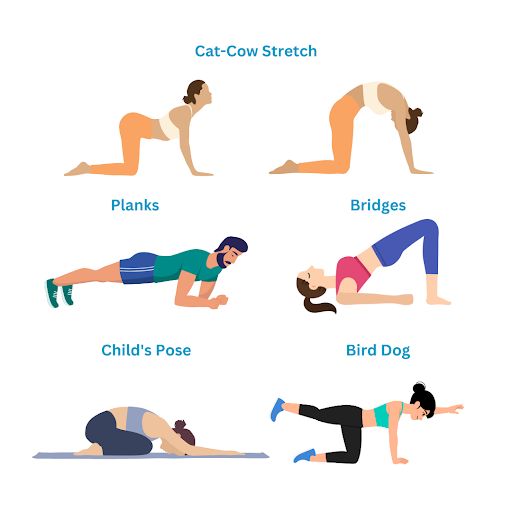
1. Strengthen Your Back and Core at Home
Regular exercise is one of the most powerful tools for maintaining spinal health. Strong muscles support your spine, reduce strain, and improve posture.
Helpful activities include:
- Weight training– Builds muscle mass and supports bone density.
- Pilates and yoga– Improve flexibility and spinal mobility.
- Walking– Increases circulation to spinal tissues and gently stretches muscles.
- Core workouts– Strengthen abdominal muscles, reducing pressure on the spine.
- Water-based exercise– Provides low-impact strengthening support for those with chronic pain.
A balanced fitness routine protects your spine from everyday stress.
2. Give Your Spine Time to Relax
Modern life puts constant pressure on your back—especially if you sit for long periods.
Support recovery by:
- Scheduling regular therapeutic massages
- Taking short walking breaks every hour if you work at a desk
- Sleeping on a firm mattress
- Sleeping on your back or side (not your stomach)
- Standing upright after long periods of bending (like gardening)
Spinal tissues need recovery time just like muscles do.
3. Eat for Spinal Strength
Your diet directly affects your bone and muscle health.
Important nutrients include:
- Calcium– Supports bone density and prevents osteoporosis
- Vitamin D– Helps your body absorb calcium
- Magnesium– Supports muscle contraction and relaxation
- Protein– Helps repair tissues and maintain muscle mass
A nutrient-rich diet strengthens your spine from the inside out.
4. Improve Your Office Setup
If you work at a desk, posture matters—a lot.
An ergonomic workspace reduces strain on your neck and lower back.
Key setup tips:
- Keep your monitor about an arm’s length away
- Position the top of your screen 2–3 inches above eye level
- Bend your elbows at a 90° angle
- Keep wrists flat at the keyboard
- Keep knees level with or slightly below hips
An ergonomic chair or standing desk can significantly reduce spinal pressure.
5. Lift Properly to Protect Your Back

Improper lifting is one of the fastest ways to injure your spine.
Follow these safe lifting techniques:
- Bend at your knees—not your lower back
- Keep the object close to your body
- Avoid twisting—pivot with your feet instead
- Tighten your core as you lift
Even grocery bags and small children can strain your spine if lifted incorrectly.
6. Reduce Daily Micro-Stressors
Small, repetitive movements can gradually strain your back.
Be mindful of how you:
- Vacuum (hold it centered with small movements)
- Open heavy doors (stand directly in front and pull straight back)
- Garden (bend knees slightly and support your arm on your thigh)
Reducing unnecessary twisting and overreaching protects your spine over time.
7. Protect Your Back in the Morning
When you sleep, spinal discs rehydrate and expand. This increases internal pressure, making them more vulnerable to strain first thing in the morning.
To reduce risk:
- Avoid heavy lifting within the first hour after waking
- Keep your back straight while getting out of bed
- Stand upright before bending forward
Allowing your discs time to normalize reduces risk of herniation.
8. Schedule Regular Chiropractic Checkups After Car Accident Spine Treatment
Routine chiropractic visits can:
- Detect early spinal misalignments
- Address small issues before they become chronic
- Improve mobility
- Reduce muscle tension
- Support overall spinal function
Regular assessments help maintain spinal alignment and prevent long-term problems.
Preventative care is always easier than treating advanced conditions.
Small Habits, Big Impact
Your spine supports your entire body. Daily habits—both good and bad—add up over time.
By:
- Exercising regularly
- Improving posture
- Lifting correctly
- Eating nutrient-rich foods
- Managing stress
- Seeking preventative chiropractic care
You can significantly reduce your risk of chronic back pain.
You don’t have to overhaul your life overnight. Start with one or two small changes—and build from there.
Your spine works hard for you every day. Taking care of it is one of the best investments you can make in your long-term health.
Address: 10915 SE Stark St. Suite 200, Portland, OR 97216Book: Online BookingPhone: (503) 899-0707