Common Pediatric Car Accident Injuries in Keizer, Oregon
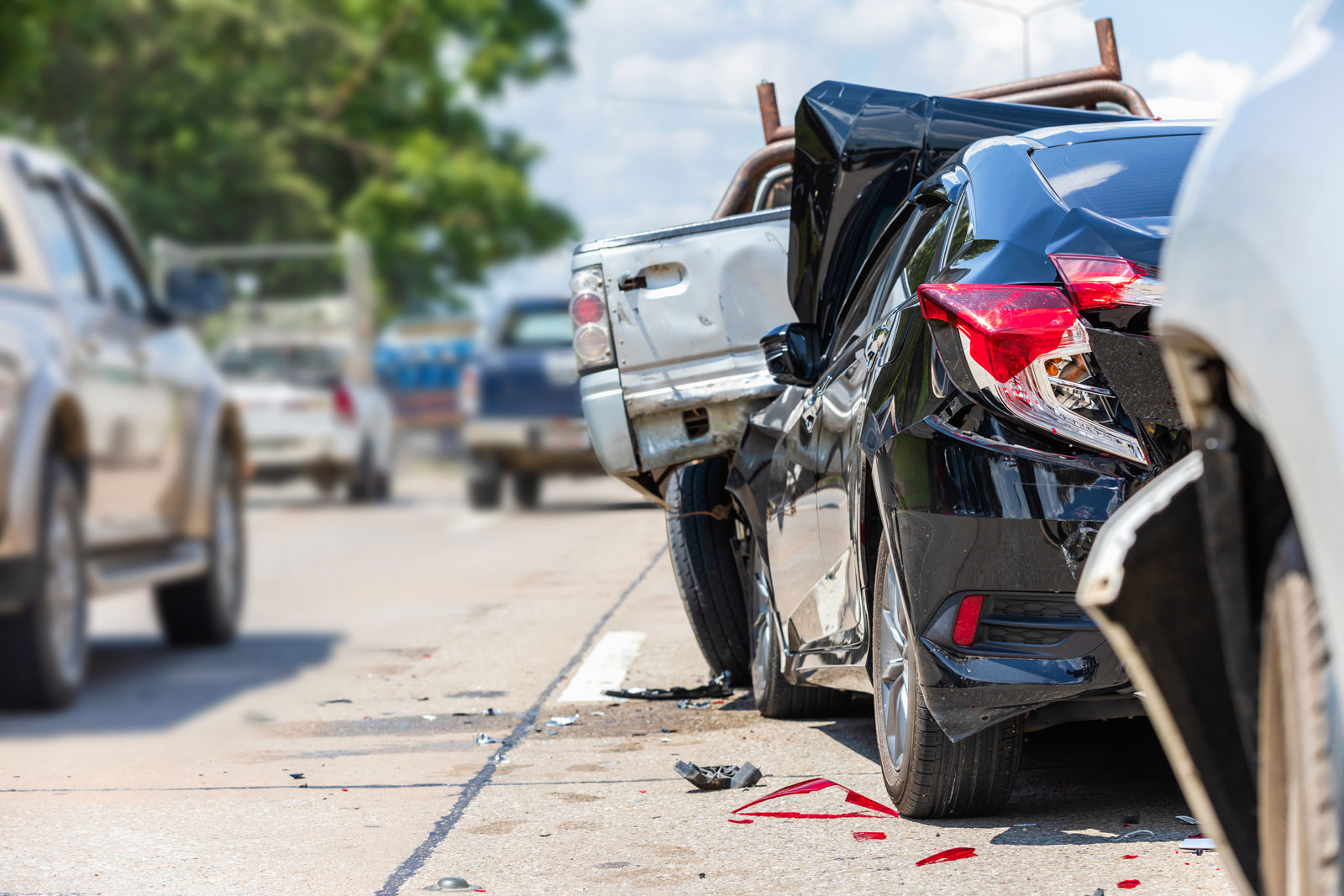
Families in Keizer, Oregon, rely on their vehicles every day for school transportation, childcare, sports activities, and commuting. Unfortunately, pediatric car accident injuries remain a serious concern, as motor vehicle accidents are one of the leading causes of injury among children across the United States.
Even when car seats, booster seats, and seat belts are used correctly, children may still experience spinal, soft tissue, and neurological injuries during a collision. Many of these injuries are not immediately visible and may not produce obvious symptoms right away.
At ProCare Chiropractic in Keizer, we provide gentle, age-appropriate pediatric chiropractic evaluations to help identify hidden spinal misalignments and soft tissue injuries after auto accidents. Early assessment plays an important role in protecting a child’s long-term spinal development and overall health.
Why Children Are More Vulnerable in Car Accidents
Children are not simply smaller adults. Their bodies are still developing, which affects how they respond to trauma.
Key differences include:
- Softer, more flexible bones
- Looser ligaments
- Less developed neck musculature
- A proportionally larger head compared to body size
- Ongoing spinal growth and structural development
Because of these factors, children are particularly vulnerable to head, neck, and spinal injuries — even in relatively low-speed collisions.
Additionally, children may not fully understand or clearly communicate pain, which makes professional evaluation important after a crash.
Common Pediatric Car Accident Injuries
Head Injuries and Concussions
Head injuries are among the most common injuries sustained by children during car accidents.
These may include:
- Concussions
- Contusions
- Lacerations
- Skull fractures
- Traumatic brain injuries (TBIs)
Possible warning signs include:
- Headaches
- Dizziness
- Nausea or vomiting
- Behavioral changes
- Sleep disturbances
- Sensitivity to light
- Difficulty concentrating
Any suspected head injury should be evaluated by a medical professional immediately.
Whiplash and Cervical Spine Injuries
Whiplash affects children as well as adults. During a collision, rapid forward-and-backward movement of the head places stress on the cervical spine.
In children, this may affect:
- Neck ligaments
- Muscles
- Facet joints
- Intervertebral discs
Because pediatric neck muscles are less developed, children may be more susceptible to cervical strain.
Symptoms can include:
- Neck stiffness
- Reduced range of motion
- Irritability
- Headaches
- Shoulder discomfort
Whiplash symptoms often appear within 24–72 hours after the accident.
Thoracic (Chest) Injuries
Child restraint systems and seat belts greatly reduce fatal injuries, but impact forces can still cause:
- Bruising from harness straps
- Rib irritation
- Soft tissue chest trauma
Persistent chest pain, difficulty breathing, or visible swelling should be evaluated immediately by a medical professional.
Spinal Misalignment and Back Injuries
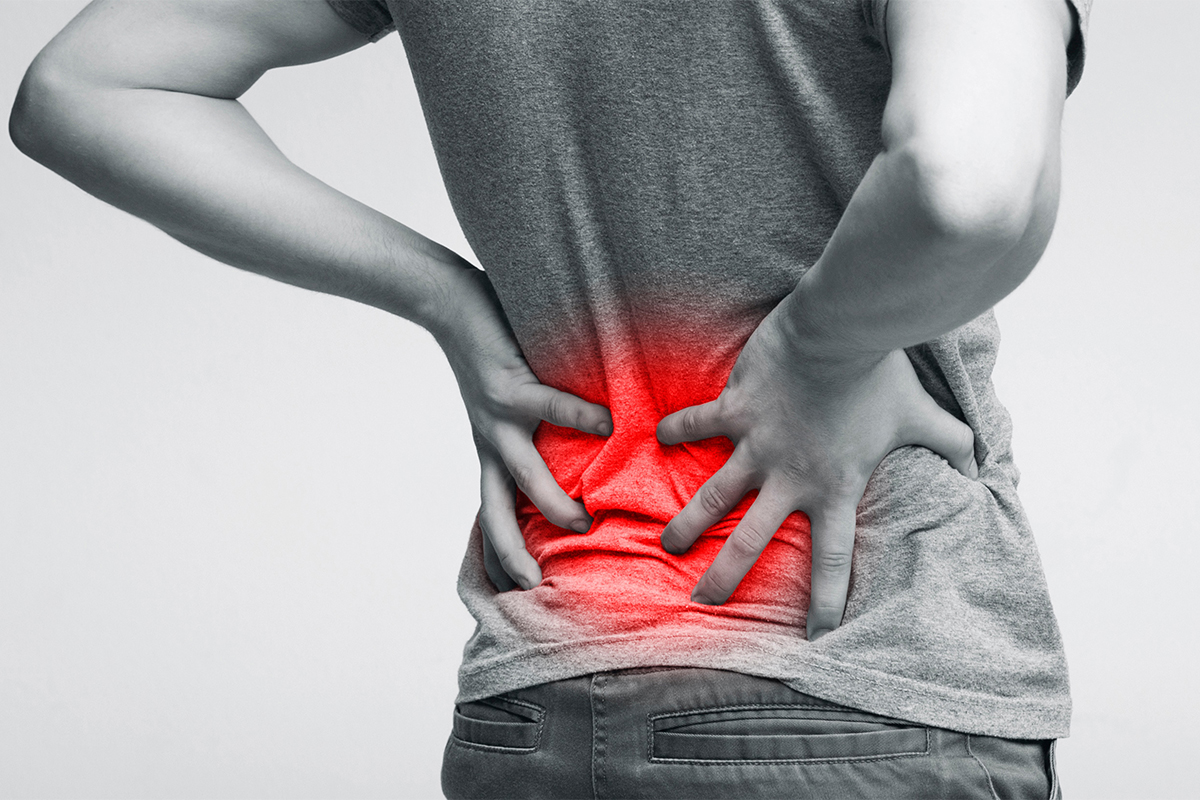
Children may experience subtle spinal misalignments or soft tissue strain even when fractures are not present.
Signs of possible spinal involvement include:
- Back pain
- Uneven posture
- Difficulty sitting upright
- Leg discomfort or tingling
- Changes in coordination
Because the pediatric spine is still developing, early spinal evaluation after a car accident helps reduce the risk of long-term musculoskeletal problems.
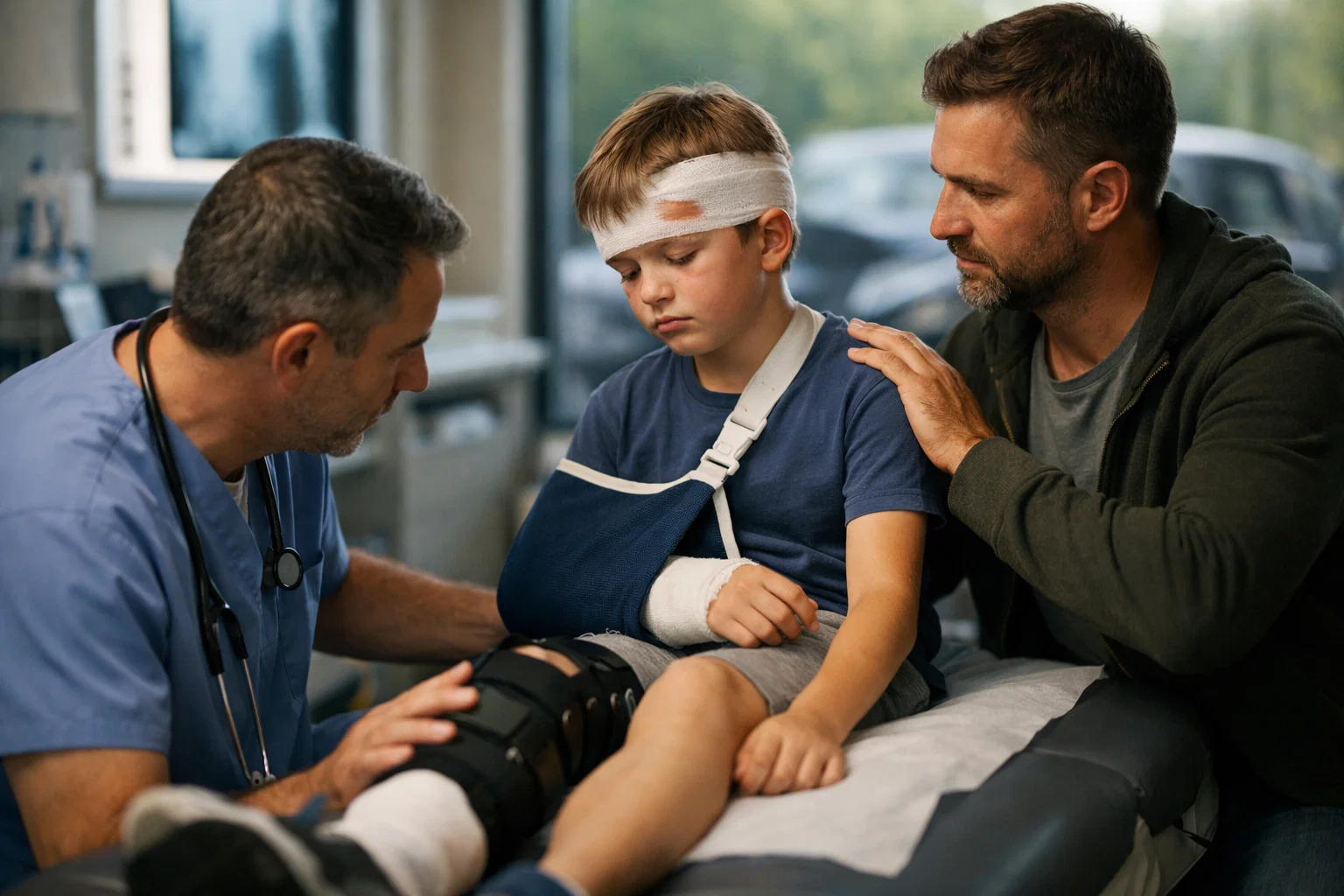
Bone Fractures
Fractures can occur when a child braces during impact or moves within the vehicle during a crash.
Common fracture sites include:
- Arms
- Wrists
- Collarbone
- Legs
Fractures require immediate medical evaluation and appropriate orthopedic care.
Lower Extremity Injuries
Children’s knees, shins, and feet may absorb impact forces depending on their seating position.
Common complaints include:
- Knee pain
- Shin bruising
- Foot sprains
- Soft tissue strain
Additionally, spinal misalignment after a crash may affect walking mechanics, which can contribute to lower extremity discomfort.
Emotional and Psychological Trauma
Not all injuries are physical. Children may experience emotional stress reactions after a motor vehicle accident.
Possible responses include:
- Anxiety
- Nightmares
- Fear of riding in vehicles
- Behavioral regression
- Difficulty concentrating
Parents should monitor behavioral changes and seek appropriate medical or psychological support if symptoms persist.
Delayed Symptoms After a Car Accident
After a collision, adrenaline can temporarily mask pain. In children:
- Inflammation may develop gradually
- Soft tissue swelling can peak 24–72 hours later
- Discomfort may be difficult for the child to describe
A child who appears fine immediately after a car accident may develop symptoms several days later. Early evaluation is recommended following any significant collision.
Why Early Pediatric Chiropractic Evaluation Matters
Early spinal assessment after an auto accident helps:
- Detect hidden spinal misalignments
- Identify soft tissue injuries
- Document injuries for insurance purposes
- Prevent chronic pain patterns
- Support proper musculoskeletal development
- Reduce the risk of long-term postural problems
Untreated spinal dysfunction during childhood can influence posture, coordination, and growth patterns over time.
How Pediatric Chiropractic Care Supports Recovery
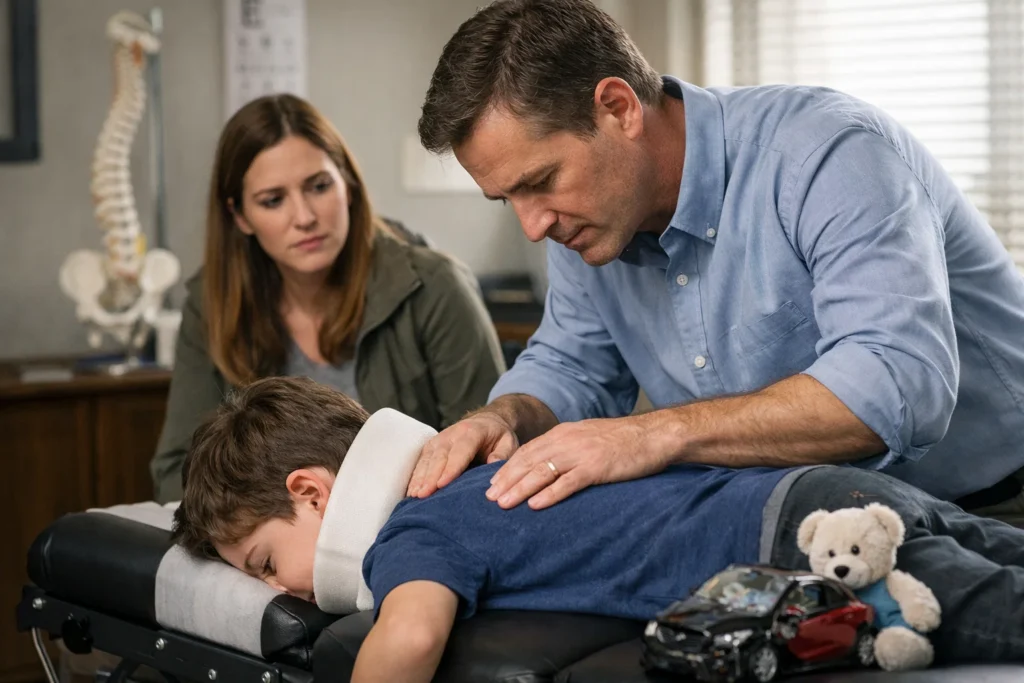
Pediatric chiropractic care uses gentle, low-force techniques that are appropriate for a child’s size and developmental stage.
At ProCare Chiropractic, pediatric auto accident evaluations may include:
- Careful spinal assessment
- Postural analysis
- Range-of-motion evaluation
- Gentle spinal adjustments
- Soft tissue support
- Mobility guidance
- Ongoing recovery monitoring
Chiropractic care may help:
- Reduce inflammation
- Restore spinal alignment
- Improve mobility
- Support healthy neuromuscular function
- Minimize long-term complications
All treatment plans are individualized based on the child’s age, injury severity, and overall health.
Protecting Children in Keizer Auto Accidents
While accidents cannot always be prevented, parents can reduce injury risk by:
- Using age-appropriate car seats
- Ensuring proper installation
- Following booster seat recommendations
- Avoiding distracted driving
- Practicing defensive driving
Safe driving habits remain the most important factor in protecting children on the road.
Pediatric Car Accident Injuries: Chiropractic Care in Keizer, Oregon
If your child has been involved in a car accident in Keizer or anywhere in Marion County, early evaluation helps ensure that hidden injuries are not overlooked.
Address: 3785 River Rd N. Keizer, OR 97303Book: Online BookingPhone: (971) 414-3440