9 Ways to Live a Pain-Free Life in Sherwood, Oregon

That assumption is not accurate.
While pain relief rarely happens overnight, achieving a pain-free or significantly reduced-pain lifestyle is absolutely possible in 2026 with the right combination of professional care, daily habits, and long-term health strategies.
At ProCare Chiropractic – Sherwood, we regularly help patients regain mobility and comfort after adopting a structured, whole-body approach to recovery.
Below are nine chiropractor-recommended strategies that can help reduce pain and improve overall quality of life.
1. Calm and Regulate Your Nervous System
Pain is not only structural — it is also neurological. Chronic stress keeps the body in a prolonged “fight-or-flight” state, which increases:
- Muscle tension
- Inflammation
- Pain sensitivity
- Fatigue
When the nervous system begins to relax:
- Muscles release tension
- Circulation improves
- Pain perception decreases
Helpful techniques include:
- Controlled breathing exercises
- Quiet outdoor walks
- Mindfulness or meditation
- Scheduled low-stimulation downtime
Even 10–15 minutes daily can positively influence chronic pain levels.
2. Reduce Stress That Amplifies Pain
Stress directly intensifies physical discomfort. Many chronic pain flare-ups occur during periods of:
- Work overload
- Financial pressure
- Emotional stress
- Sleep disruption
Managing pain sometimes requires reducing stressors rather than adding treatments.
Practical strategies include:
- Setting realistic work boundaries
- Delegating responsibilities
- Avoiding overcommitment
- Prioritizing recovery time
A regulated nervous system responds to pain more efficiently.
3. Stay Physically Active — Safely
Movement is one of the body’s most effective natural pain relievers. Physical activity stimulates endorphins while improving:
- Joint stability
- Blood circulation
- Muscle balance
- Posture
However, exercise must match your condition.
Low-impact activities commonly recommended include:
- Walking
- Swimming
- Controlled strength training
- Mobility and stabilization exercises
At ProCare Chiropractic – Sherwood, patients receive personalized activity guidance that strengthens the body without aggravating injuries.
4. Prioritize High-Quality Sleep

Sleep plays a critical role in healing, inflammation control, and nervous system recovery.
Poor sleep contributes to:
- Increased pain sensitivity
- Muscle tightness
- Elevated stress hormones
- Daytime fatigue
Most adults require 7–9 hours of consistent sleep.
Ways to improve sleep quality include:
- Maintaining a regular sleep schedule
- Limiting screen exposure before bedtime
- Using supportive pillows and mattresses
- Addressing spinal discomfort that interrupts sleep
Better sleep frequently leads to noticeable pain reduction.
5. Build a Strong Support System
Chronic pain often creates isolation, which can worsen symptoms.
Support systems may include:
- Counseling or therapy
- Support groups
- Family and friends
- Community involvement
Research consistently shows that individuals with emotional support often experience improved recovery and lower perceived pain levels.
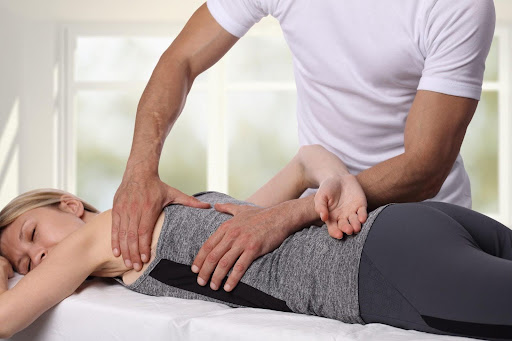
6. Use Therapeutic Massage Strategically
Therapeutic massage is more than relaxation — it is an effective clinical tool for pain management.
Benefits include:
- Reduced muscle tension
- Improved circulation
- Lower inflammation
- Decreased nerve irritation
Massage therapy is particularly helpful for:
- Chronic back pain
- Neck stiffness
- Tension headaches
- Post-injury muscle tightness
When combined with chiropractic care, massage therapy helps accelerate recovery and reduce recurring flare-ups.
7. Follow an Anti-Inflammatory Diet
Nutrition plays a major role in pain management because inflammation directly affects tissues and joints.
A spine-supportive diet emphasizes:
- Lean protein sources
- Fresh vegetables and fruits
- Healthy fats such as omega-3 fatty acids
- Proper hydration
Reducing intake of:
- Processed foods
- Excess sugar
- Highly refined oils
can gradually decrease inflammation and chronic discomfort while reducing stress on the spine.
8. Use Healthy Mental Distraction
Pain naturally draws attention. The more the brain focuses on discomfort, the more intense pain signals can become.
Healthy distraction helps regulate pain perception.
Examples include:
- Reading
- Creative hobbies
- Social interaction
- Light entertainment
- Spending time outdoors
This approach does not ignore pain — it helps prevent neurological amplification of pain signals.
9. Maintain Consistent Chiropractic Care
Chiropractic care addresses many underlying causes of chronic pain by restoring:
- Spinal alignment
- Joint mobility
- Nervous system function
- Postural balance
Regular chiropractic treatment can:
- Reduce inflammation
- Improve movement patterns
- Relieve nerve pressure
- Prevent recurring flare-ups
In 2026, consistent maintenance chiropractic care remains one of the most effective long-term strategies for managing chronic pain and preserving spinal health.
Living Pain-Free Is a Long-Term Process
Sustainable pain relief rarely comes from a single treatment or short-term solution.
Lasting improvement comes from addressing:
- Structural alignment
- Nervous system regulation
- Movement quality
- Stress management
- Sleep habits
- Nutrition
At ProCare Chiropractic – Sherwood, we develop individualized care strategies designed to support long-term comfort and function.
Schedule Your Chiropractic Evaluation in Sherwood, Oregon
If chronic pain is affecting your mobility, sleep, work performance, or quality of life, you do not have to accept it as permanent.
ProCare Chiropractic – Sherwood
Address: 16771 SW 12th St Ste E, Sherwood, OR 97140Book: Online BookingPhone: (971) 396-3013
Call today to schedule your chiropractic evaluation and begin building a sustainable plan toward a healthier, more comfortable, pain-free life.