Neuromuscular Therapy in Hillsboro, Oregon: Targeted Treatment for Chronic Muscle Pain
If you are searching for neuromuscular therapy in Hillsboro, Oregon, you are likely dealing with pain that does not fully resolve on its own. Chronic neck tension, recurring headaches, low back discomfort, shoulder tightness, or sciatica-like symptoms often persist because the true cause is not simply muscle tightness — it is neuromuscular dysfunction.
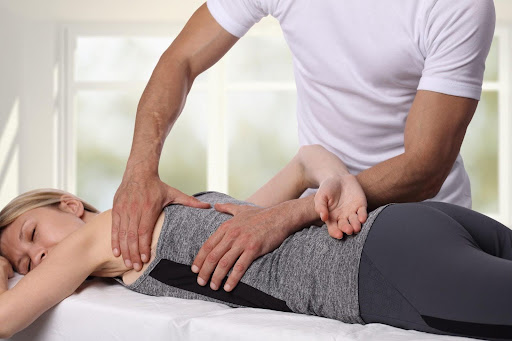
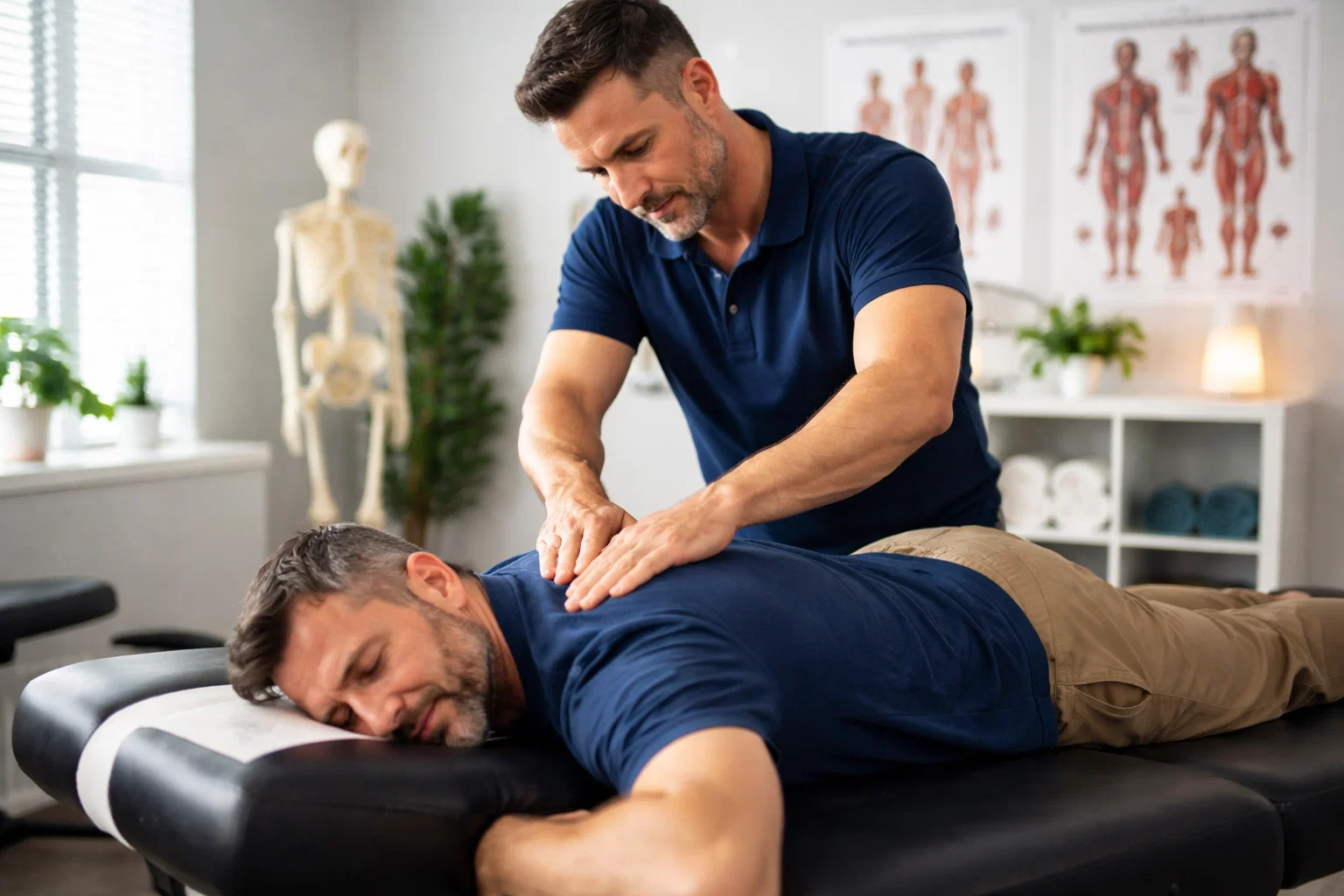
Neuromuscular therapy (NMT) is a structured, assessment-based manual therapy technique designed to identify and deactivate trigger points, reduce nerve irritation, and correct muscle imbalance. Unlike relaxation massage, this therapy is corrective and goal-oriented.
At ProCare Chiropractic, neuromuscular therapy is frequently integrated with chiropractic care and rehabilitation to provide comprehensive musculoskeletal treatment in 2026.
What Makes Neuromuscular Therapy Different?
Neuromuscular therapy focuses on specific pain generators rather than generalized muscle relaxation.
Persistent pain patterns are often linked to:
- Trigger points (hyper-irritable muscle knots)
- Postural distortion
- Joint restriction
- Nerve irritation
- Reduced blood flow (ischemia)
- Compensation patterns after injury
For example:
- A trigger point in the upper trapezius may cause tension headaches.
- Gluteal trigger points can mimic sciatica symptoms.
- Chronic desk posture may overload cervical stabilizers and mid-back muscles.
Neuromuscular therapy works by applying precise, sustained pressure and corrective techniques to normalize muscle function and improve movement mechanics.
Conditions Commonly Treated in Hillsboro
Patients in Hillsboro and across Washington County commonly seek neuromuscular therapy for:
- Chronic neck pain
- Tech neck and forward head posture
- Tension headaches
- Upper back tightness
- Low back pain
- Sciatica-like muscular pain
- Shoulder dysfunction
- Repetitive strain from computer work
- Post-accident muscle guarding
- Sports-related muscle imbalance
Many chronic musculoskeletal issues involve both muscle and joint components. Addressing only one often leads to recurrence.
Core Techniques Used in Neuromuscular Therapy
A clinical neuromuscular therapy session may include:
Trigger Point Compression
Sustained, controlled pressure applied directly to specific trigger points for 30 seconds to 2 minutes, depending on tissue response.
Cross-Fiber Friction
Targeted friction applied across muscle fibers to reduce adhesions and improve mobility.
Myofascial Release
Sustained pressure applied to fascial restrictions affecting movement and posture.
Post-Isometric Relaxation
Gentle contract-and-release techniques to improve flexibility without aggressive stretching.
Communication is essential during treatment. Effective neuromuscular therapy uses therapeutic pressure — not excessive force — to encourage neuromuscular adaptation without causing protective muscle guarding.
Why Trigger Points Keep Pain Coming Back
Trigger points disrupt normal muscle function and can:
- Limit range of motion
- Refer pain to other regions
- Increase nerve sensitivity
- Create weakness in stabilizing muscles
- Reinforce poor posture
If untreated, these patterns persist and often worsen over time, especially with repetitive daily stress.
The Role of Posture in Neuromuscular Dysfunction
Forward head posture, rounded shoulders, and prolonged sitting are common in Hillsboro office professionals and remote workers.
Postural strain can:
- Overload the cervical spine
- Shorten chest muscles
- Weaken mid-back stabilizers
- Increase lumbar compression
- Trigger chronic muscle guarding
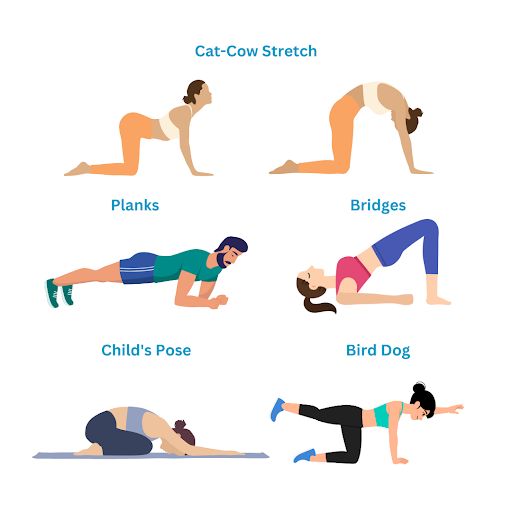
Neuromuscular therapy helps rebalance muscular tension so corrective exercises become more effective.
What to Expect at Your First Appointment
Your initial neuromuscular therapy session typically includes:
- Detailed health and symptom review
- Posture and movement assessment
- Identification of trigger point referral patterns
- Targeted manual therapy
- Guidance on home exercises or ergonomic adjustments
Mild soreness for 24–48 hours may occur, especially when long-standing trigger points are addressed.
Safety Considerations
Neuromuscular therapy may require modification or postponement in cases of:
- Acute injury within 48–72 hours
- Active infection
- Blood clot concerns
- Severe osteoporosis
- Open wounds
- Certain medical conditions requiring clearance
A thorough intake process ensures safe care planning.
Why Combine Neuromuscular Therapy with Chiropractic Care? 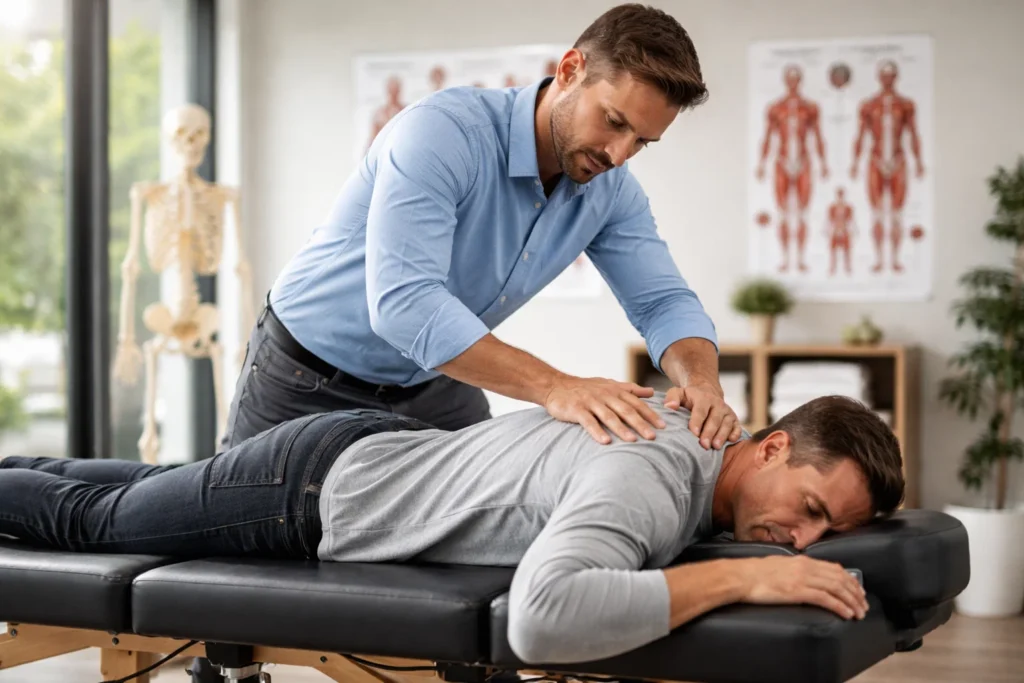
Muscle imbalance and joint restriction often reinforce one another.
When appropriate, combining:
- Chiropractic adjustments
- Neuromuscular therapy
- Corrective rehabilitation
- Ergonomic coaching
produces more stable and longer-lasting outcomes for chronic neck pain, back pain, headaches, and posture-related conditions.
How Often Is Neuromuscular Therapy Needed?
Frequency depends on symptom duration and severity.
- Acute issues may improve within several sessions.
- Chronic pain patterns often require structured care over several weeks.
- Maintenance frequency is reduced once functional stability is achieved.
Consistency and posture correction significantly influence long-term results.
Schedule Neuromuscular Therapy in Hillsboro, Oregon
If you are looking for neuromuscular therapy in Hillsboro because pain keeps returning or you want a treatment plan that addresses the root cause of trigger points and muscle imbalance, our team is ready to help.
ProCare Chiropractic – Hillsboro
Address: 329 SE 3rd Avenue, Hillsboro, OR 97123Book: Online BookingPhone: (503) 899-0707
Call today to schedule your evaluation and learn how neuromuscular therapy in 2026 can support pain relief, posture correction, improved mobility, and long-term musculoskeletal stability through targeted, evidence-based care.