Neuromuscular Massage Benefits in Keizer, Oregon: Targeted Relief for Chronic Pain and Muscle Imbalance
Chronic pain rarely originates from a single tight muscle. In Keizer, Oregon, and throughout Marion County, many patients experience persistent neck pain, lower back pain, shoulder tension, tension headaches, and sciatica-like symptoms caused by long-standing muscular imbalance and trigger points.
Neuromuscular massage therapy is a clinical, assessment-based treatment designed to correct the underlying neuromuscular dysfunction responsible for these pain patterns. Unlike general relaxation massage, this therapy focuses on measurable improvements in mobility, muscle function, and pain reduction.
At ProCare Chiropractic – Keizer, neuromuscular massage therapy is frequently integrated with chiropractic adjustments and corrective exercises to support a comprehensive, non-surgical treatment approach for musculoskeletal conditions.
What Is Neuromuscular Massage Therapy?
Neuromuscular massage therapy (NMT) focuses on identifying and treating trigger points, which are hyper-irritable knots within muscle tissue.
These trigger points can:
- Restrict blood circulation
- Compress nearby nerves
- Create referred pain patterns
- Limit joint mobility
- Contribute to poor posture
For example:
- Trigger points in the upper trapezius often contribute to chronic headaches.
- Tight gluteal muscles may mimic sciatic nerve pain.
- Suboccipital muscles at the base of the skull frequently cause neck stiffness and headaches.
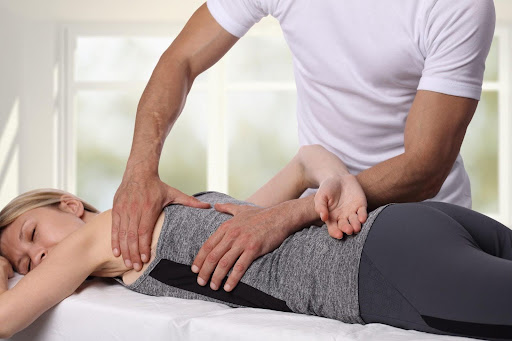
During treatment, the therapist applies sustained and controlled pressure to these trigger points for several seconds or longer. This is often followed by movement techniques and corrective strategies that help normalize muscle function.
Core Benefits of Neuromuscular Massage Therapy
Targeted Pain Relief
One of the primary benefits of neuromuscular massage is precise pain reduction. By releasing trigger points and restoring blood flow to restricted tissues, the therapy helps reduce mechanical stress on surrounding structures.
Patients in Keizer frequently seek neuromuscular massage therapy for:
- Chronic neck pain
- Persistent lower back discomfort
- Tension headaches
- Shoulder dysfunction
- Repetitive strain injuries
Addressing the underlying trigger points helps reduce recurring pain rather than temporarily masking symptoms.
Improved Range of Motion
Muscle tightness often limits joint mobility. Trigger points keep muscle fibers in a shortened state, making stretching alone ineffective.
Neuromuscular massage helps:
- Restore normal muscle length
- Improve neck and cervical rotation
- Increase shoulder mobility
- Enhance spinal flexibility
- Reduce stiffness during movement
Improved mobility allows patients to return to normal daily activities with less discomfort.
Better Postural Balance
Poor posture, including forward head posture and rounded shoulders, is often caused by muscular imbalance.
Neuromuscular massage supports posture correction by:
- Releasing shortened chest muscles
- Reducing upper trapezius tension
- Improving thoracic spine mobility
- Allowing stabilizing muscles in the back to activate properly
When combined with chiropractic care and posture rehabilitation exercises, posture improvements can become more sustainable.
Headache and Jaw Tension Relief
Many headaches originate from muscle tension rather than neurological conditions.
Trigger points in the following muscles frequently contribute to headaches:
- Suboccipital muscles
- Upper trapezius
- Levator scapulae
- Jaw muscles
Targeted neuromuscular therapy can reduce headache frequency and intensity by addressing these muscular sources of tension.
Improved Circulation and Tissue Recovery
Trigger points are often associated with localized ischemia, meaning reduced blood flow to affected tissues.
Neuromuscular massage therapy can help:
- Improve blood circulation
- Increase oxygen delivery to tissues
- Enhance lymphatic drainage
- Reduce metabolic waste buildup
These effects support recovery from sports injuries, repetitive strain, and chronic muscular tension.
Nervous System Relaxation
Chronic pain often keeps the nervous system in a state of constant stress.
Targeted manual therapy may help:
- Reduce muscle guarding
- Improve sleep quality
- Decrease stress-related tension
- Activate the body’s parasympathetic relaxation response
This is particularly beneficial for patients experiencing stress-related neck and shoulder pain.
Conditions Often Treated with Neuromuscular Massage
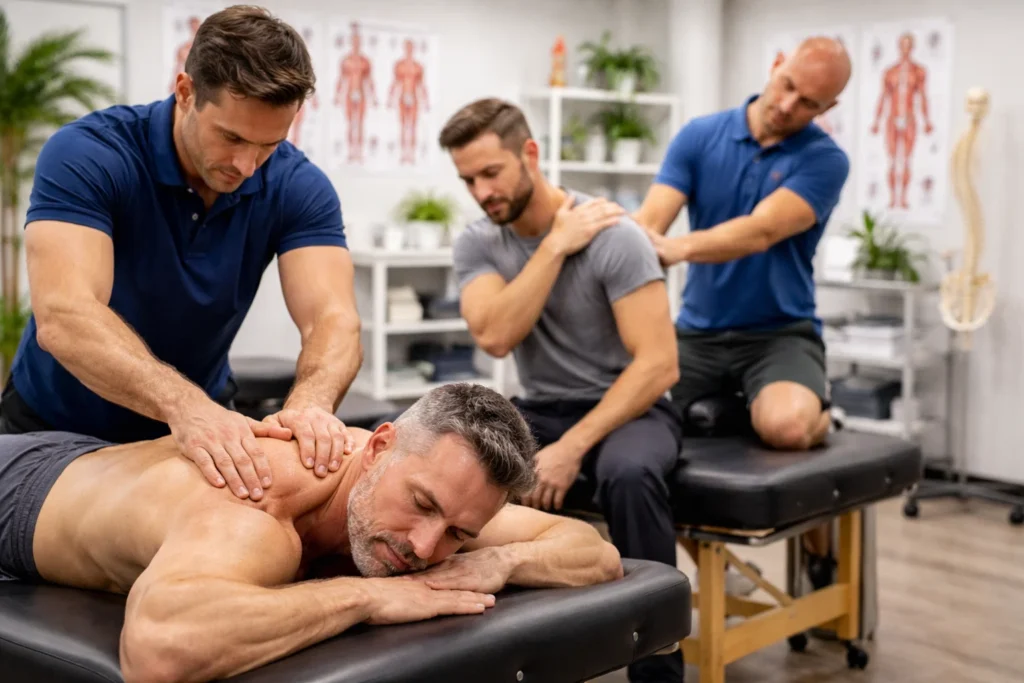
Neuromuscular massage therapy is especially effective when pain is linked to trigger points and chronic muscle imbalance.
Common conditions treated include:
- Chronic neck stiffness
- Forward head posture and tech neck
- Upper back tension
- Persistent lower back pain
- Gluteal trigger point pain
- Sciatica-like muscular symptoms
- Soft tissue injuries after car accidents
- Repetitive strain injuries from desk work
- Sports recovery and muscular fatigue
When muscle tension and joint dysfunction occur together, combining neuromuscular massage therapy with chiropractic adjustments often accelerates recovery.
What to Expect During a Neuromuscular Massage Session
A typical neuromuscular massage therapy session begins with a brief assessment.
Your visit may include:
- Review of symptoms and pain patterns
- Identification of trigger point referral areas
- Sustained compression and release techniques
- Assisted stretching or mobility work
- Personalized home care recommendations
Mild soreness may occur for 24–48 hours following treatment, especially when long-standing trigger points are addressed.
Treatment Frequency and Long-Term Results
For chronic conditions, neuromuscular massage therapy is often performed in a series of sessions over several weeks. As mobility improves and symptoms decrease, treatment frequency is gradually reduced.
Long-term success is improved when therapy is combined with:
- Chiropractic spinal adjustments
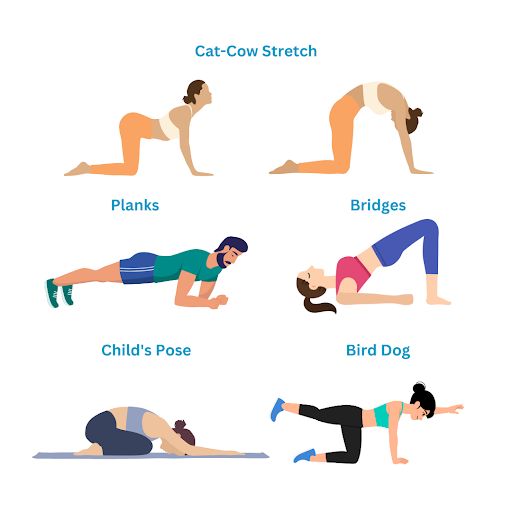
- Posture rehabilitation exercises
- Ergonomic workstation changes
- Strength and mobility training
Correcting the underlying movement patterns helps prevent trigger points from returning.
Safety Considerations
Neuromuscular massage therapy is generally safe when performed by trained professionals. However, treatment may need to be modified or postponed in cases such as:
- Acute injury within the first few days
- Active infection or fever
- Uncontrolled bleeding disorders
- Severe osteoporosis
- Certain medical conditions require physician clearance
A proper evaluation ensures that treatment is both safe and appropriate.
Schedule Neuromuscular Massage Therapy in Keizer, Oregon
If you are experiencing chronic muscle pain, headaches, trigger points, or posture-related tension, neuromuscular massage therapy may help address the underlying cause.
At ProCare Chiropractic – Keizer, our team provides targeted therapeutic massage integrated with chiropractic care to support pain relief, improved mobility, posture correction, and long-term musculoskeletal health.
Contact us today to schedule your consultation and learn how neuromuscular massage therapy can help restore comfortable movement and reduce chronic pain.
ProCare Chiropractic – Keizer
Address: 3785 River Rd N. Keizer, OR 97303Book: Online BookingPhone: (971) 414-3440