Preventing Long-Term Pain After a Car Accident in Sherwood, Oregon: How Chiropractic Care Protects Your Recovery
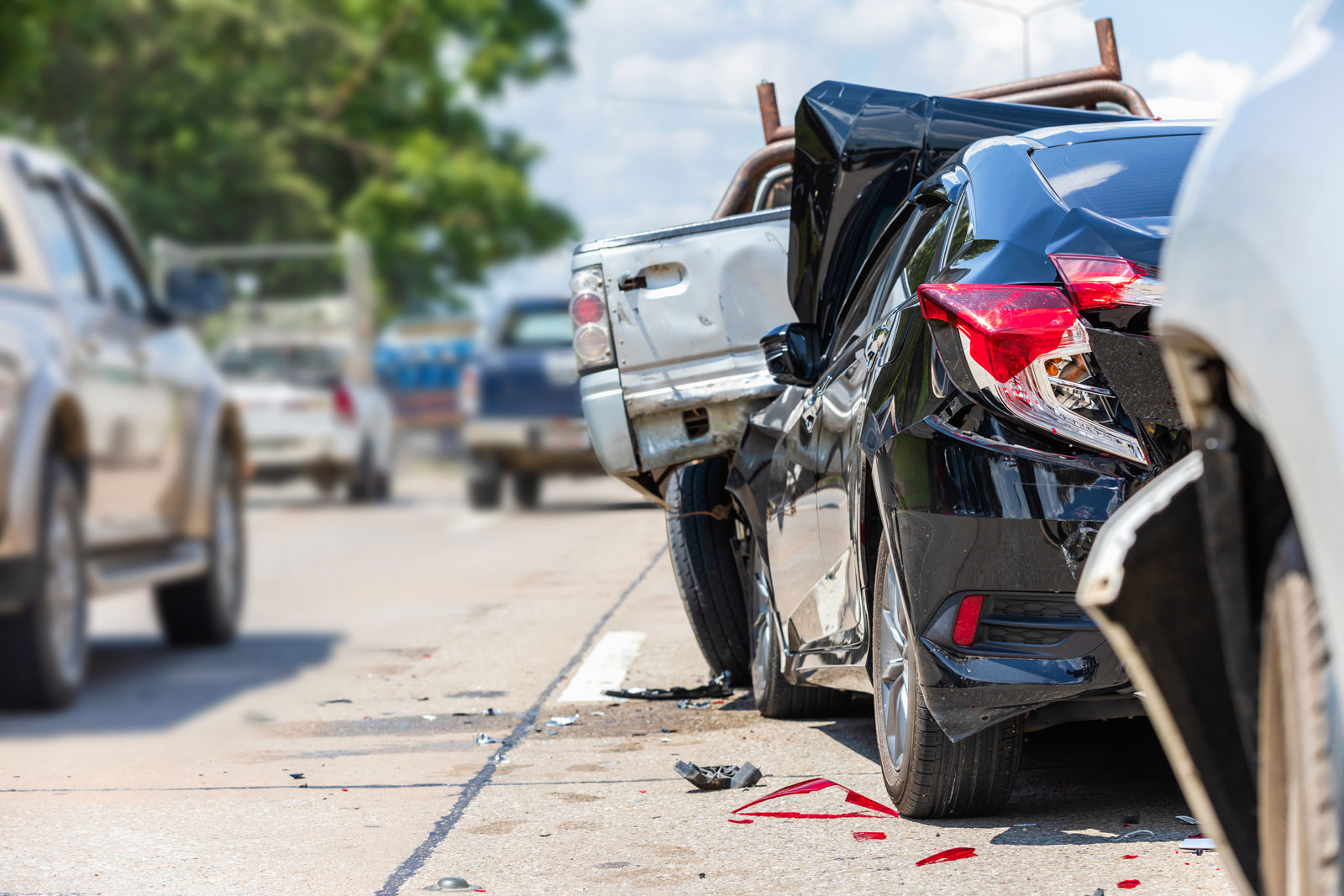
A car accident does not end when the vehicles stop. For many individuals in Sherwood, Oregon and throughout Washington County, the real consequences — including long-term pain after car accident — often begin days or even weeks later when neck pain, back stiffness, headaches, and limited mobility gradually appear.
Emergency medical care is critical for ruling out fractures and life-threatening trauma. However, it does not always address subtle spinal misalignment, ligament strain, disc stress, or soft tissue microtears that can evolve into chronic pain if left untreated.
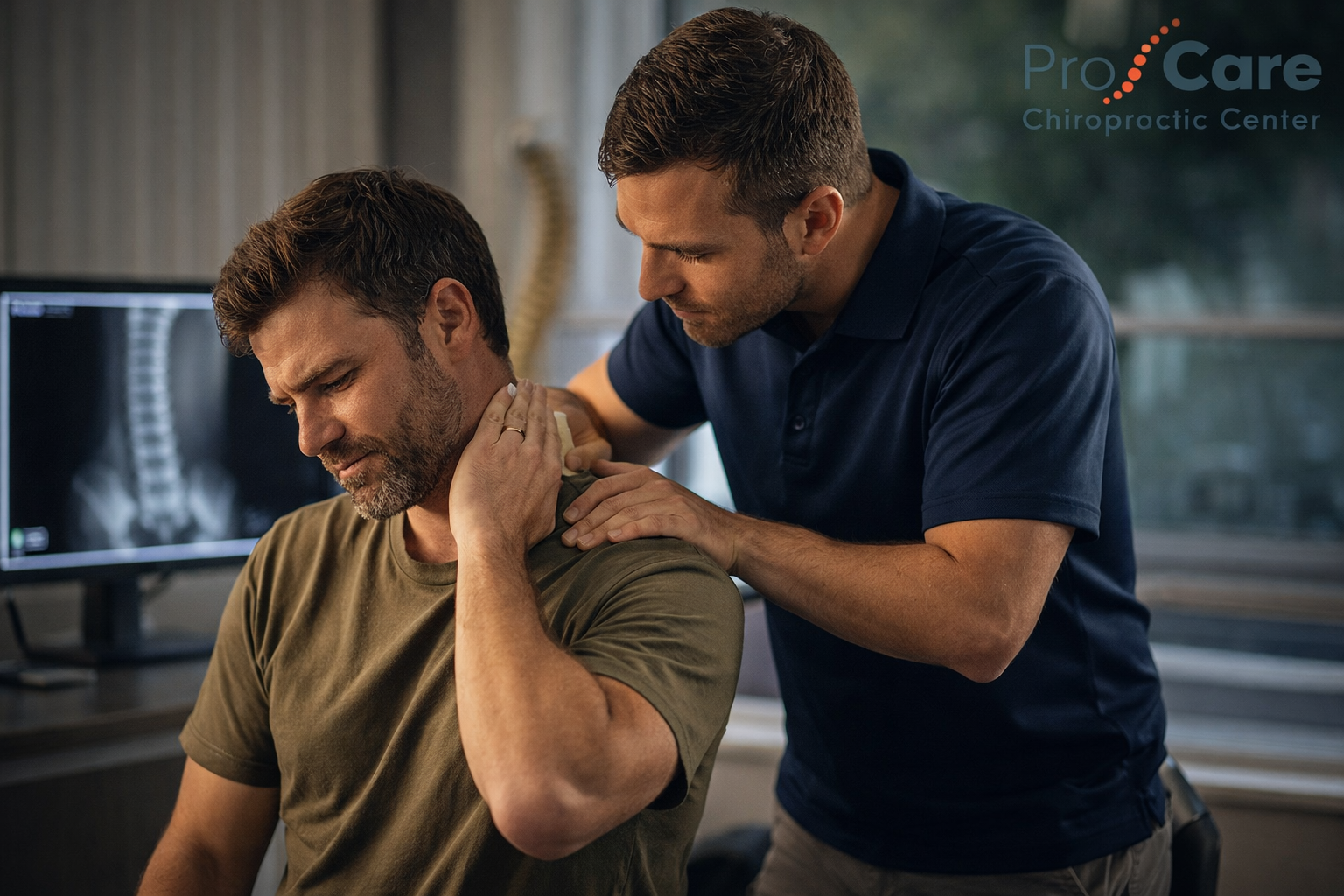
At ProCare Chiropractic – Sherwood, our focus is early structural correction to prevent long-term musculoskeletal complications after auto accidents. Rather than masking symptoms, chiropractic care restores spinal alignment, improves joint mobility, reduces inflammation, and supports proper tissue healing before chronic dysfunction develops.
Why Pain After a Car Accident Becomes Chronic
Motor vehicle collisions create rapid acceleration-deceleration forces that stress the spine, intervertebral discs, ligaments, muscles, and nerves. Even low-speed crashes on Sherwood roads can cause:
- Microtears in muscles and ligaments
- Cervical and lumbar misalignment
- Facet joint irritation
- Disc bulging or irritation
- Nerve inflammation
- Protective muscle spasms
Adrenaline often masks symptoms immediately after the crash. As inflammation increases and tissues heal improperly, pain patterns may become persistent.
Without early correction, minor injuries may evolve into:
- Chronic neck pain
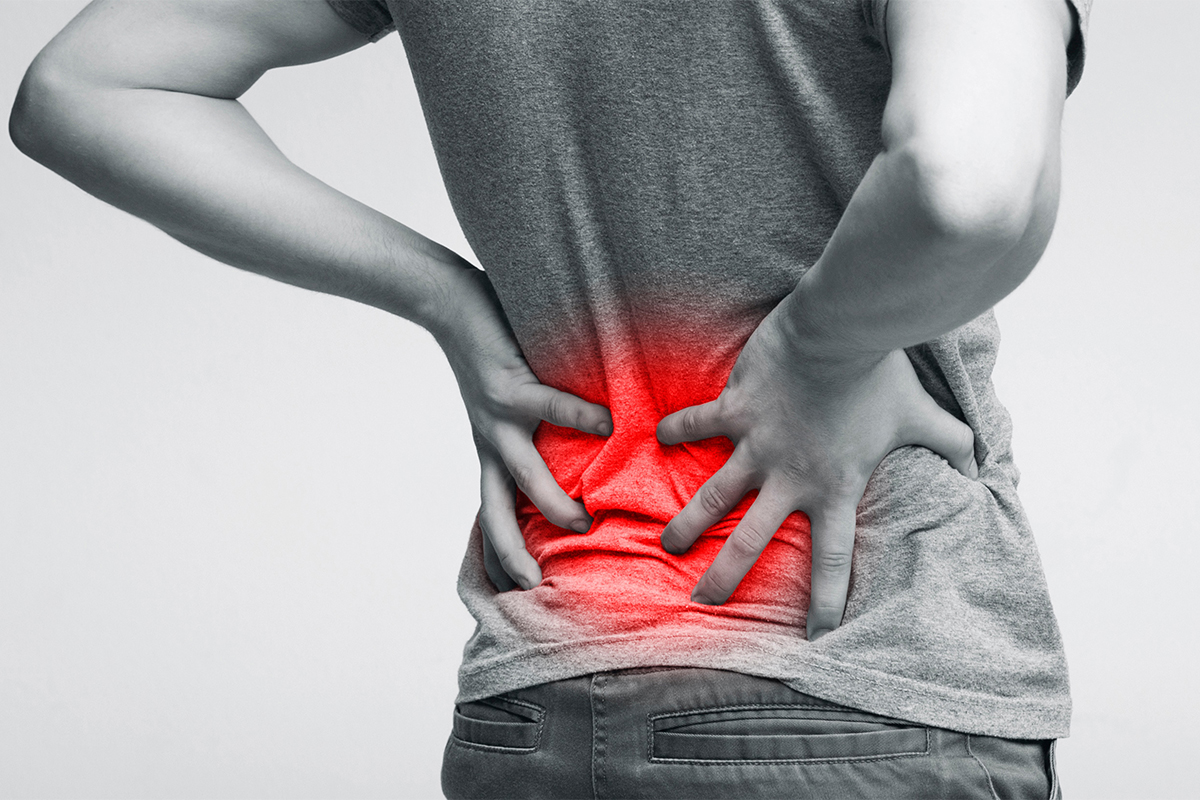
- Long-term lower back pain
- Recurring tension headaches
- Reduced range of motion
- Sciatica
- Postural imbalance
- Ongoing nerve sensitivity
Preventing chronic pain requires identifying and correcting dysfunction before compensation patterns become permanent.
How Chiropractic Care Prevents Long-Term Pain After an Auto Accident
Chiropractic care focuses on restoring proper spinal mechanics and muscular balance before chronic inflammation and instability take hold.
1. Preventing Chronic Whiplash Complications
Whiplash is one of the most common auto accident injuries in Sherwood. It occurs when the head rapidly accelerates backward and forward, placing stress on:
- Cervical vertebrae
- Intervertebral discs
- Neck ligaments
- Paraspinal muscles
- Nerve roots
Symptoms may include:
- Neck stiffness
- Pain with movement
- Headaches
- Shoulder tension
- Dizziness
If untreated, whiplash can lead to chronic cervical instability and recurring headaches.
Chiropractic treatment helps:
- Restore cervical alignment
- Reduce joint restriction
- Decrease nerve irritation
- Improve range of motion
- Minimize muscle guarding
Early intervention significantly reduces the risk of long-term whiplash-associated disorders.
2. Preventing Chronic Lower Back Pain and Disc Degeneration
The compressive forces of a collision can injure the lumbar spine even when symptoms are mild initially.
Common lumbar injuries include:
- Herniated or bulging discs
- Ligament strain
- Facet joint dysfunction
- Pelvic misalignment
- Muscle imbalance
Chiropractic evaluation assesses spinal alignment, joint motion, and neurological involvement.
Treatment may include:
- Targeted spinal adjustments
- Gentle decompression strategies
- Corrective rehabilitation exercises
- Core stabilization
- Postural retraining
By restoring normal spinal motion early, chiropractic care reduces abnormal disc stress and lowers the risk of chronic degeneration.
3. Reducing Scar Tissue Formation
After soft tissue injury, the body forms scar tissue as part of healing. However, excessive or poorly organized scar tissue can:
- Restrict flexibility
- Limit joint motion
- Cause stiffness
- Contribute to long-term pain
Without guided rehabilitation, scar tissue remodeling may take months and result in permanent restriction.
Chiropractic rehabilitation may include:
- Myofascial release
- Therapeutic soft tissue techniques
- Controlled mobility exercises
- Stretching protocols
These approaches improve tissue elasticity and restore proper biomechanics before stiffness becomes chronic.
4. Identifying Minor Injuries Before They Escalate

Many Sherwood auto accident victims assume mild soreness will resolve independently. However, subtle symptoms such as:
- Occasional stiffness
- Mild mobility limitation
- Slight muscle imbalance
- Low-grade joint discomfort
may indicate deeper structural dysfunction.
Untreated minor misalignment can progress to:
- Chronic inflammation
- Recurring strain
- Joint degeneration
- Postural collapse
- Persistent nerve irritation
A comprehensive chiropractic evaluation identifies early dysfunction before it develops into long-term pain.
Structural Correction vs. Symptom Suppression
Pain medication may temporarily reduce discomfort but does not correct:
- Spinal misalignment
- Joint dysfunction
- Muscle imbalance
- Disc stress
Masking symptoms may allow premature return to activity, increasing tissue strain.
Chiropractic care focuses on:
- Restoring structural alignment
- Improving joint mechanics
- Supporting natural inflammation control
- Enhancing nervous system communication
Correcting the underlying mechanical cause supports true recovery rather than temporary relief.
The Importance of Early Chiropractic Evaluation in Sherwood
Clinical evidence consistently shows that early treatment leads to better recovery outcomes.
Seeking chiropractic care shortly after a car accident can:
- Reduce inflammation more effectively
- Prevent chronic muscle guarding
- Restore mobility before stiffness sets in
- Minimize nerve irritation
- Shorten overall recovery time
Oregon Personal Injury Protection (PIP) insurance often covers chiropractic care after auto accidents, allowing patients to receive necessary treatment without immediate financial strain.
Delaying care increases the likelihood of chronic pain syndromes that require more extensive intervention later.
Restoring Mobility and Preventing Future Injury
Loss of mobility is one of the most common long-term effects of untreated car accident injuries.
Chiropractic rehabilitation programs may include:
- Gentle stretching protocols
- Strengthening exercises
- Core stabilization
- Postural correction
- Functional movement retraining
Movement restores circulation, prevents stiffness, and reduces long-term joint degeneration.
Addressing Both Physical and Emotional Stress
Auto accidents are both physically and emotionally traumatic. Elevated stress increases muscle tension and heightens pain sensitivity.
Chiropractic care may help:
- Reduce muscular tension
- Improve sleep quality
- Support nervous system balance
- Enhance overall comfort
When structural balance improves, many patients notice improvements in stress tolerance and general well-being.
Long-Term Benefits of Early Chiropractic Care After a Crash
Patients who receive early chiropractic treatment after a car accident often experience:
- Lower risk of chronic neck and back pain
- Improved posture
- Greater spinal stability
- Enhanced mobility
- Reduced likelihood of reinjury
Investing in early structural correction reduces the need for invasive procedures or long-term medication use in the future.
Comprehensive Auto Accident Care in Sherwood, Oregon
If you have been involved in a car accident in Sherwood — even if symptoms seem mild — early evaluation is strongly recommended.
At ProCare Chiropractic – Sherwood, we provide:
- Auto accident injury evaluations
- Whiplash treatment
- Back pain rehabilitation
- Soft tissue injury care
- PIP insurance documentation
- Structured recovery plans
Preventing long-term pain begins with identifying and correcting structural dysfunction before it becomes permanent.
Schedule Your Auto Accident Evaluation Today
ProCare Chiropractic – Sherwood
Address: 16771 SW 12th St Ste E, Sherwood, OR 97140Book: Online BookingPhone: (971) 396-3013
Call today to schedule a comprehensive auto accident evaluation in Sherwood, Oregon. Early chiropractic intervention can prevent chronic pain, restore spinal alignment, and protect your long-term mobility and quality of life.