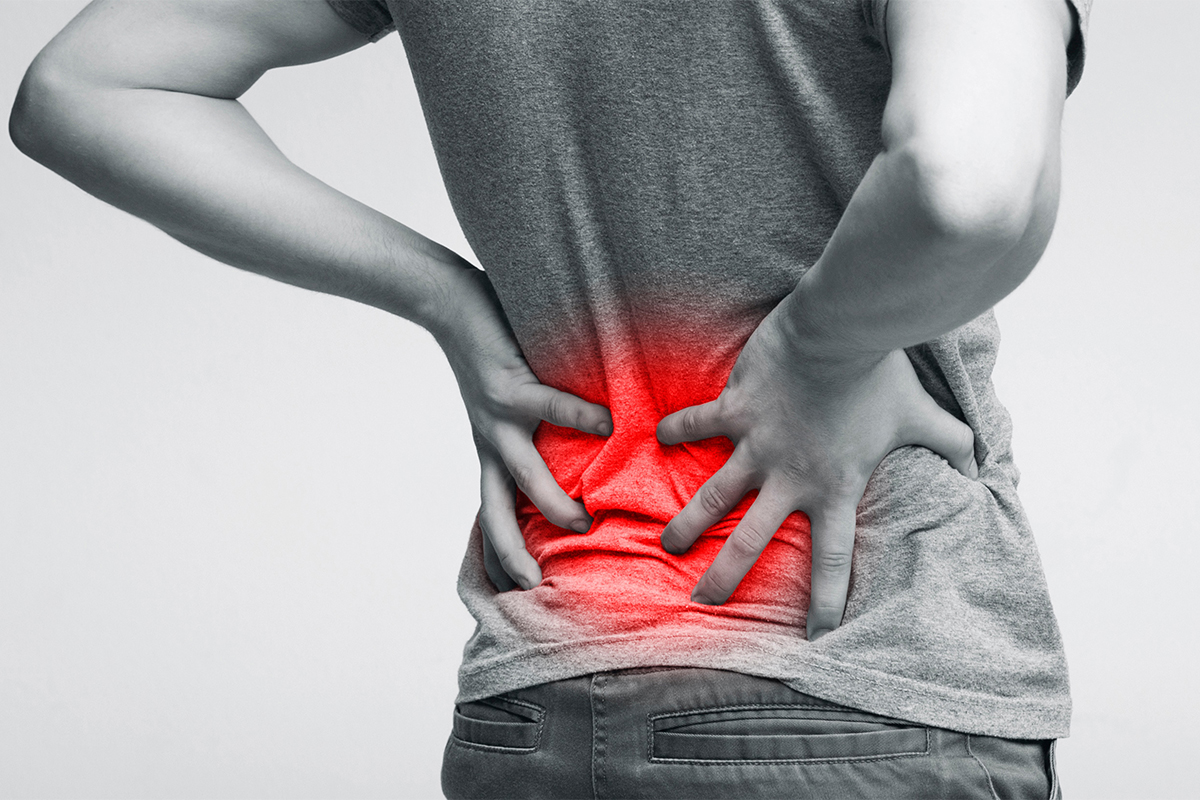
Why Some Car Accident Injuries Take Longer to Show Up in Keizer, Oregon
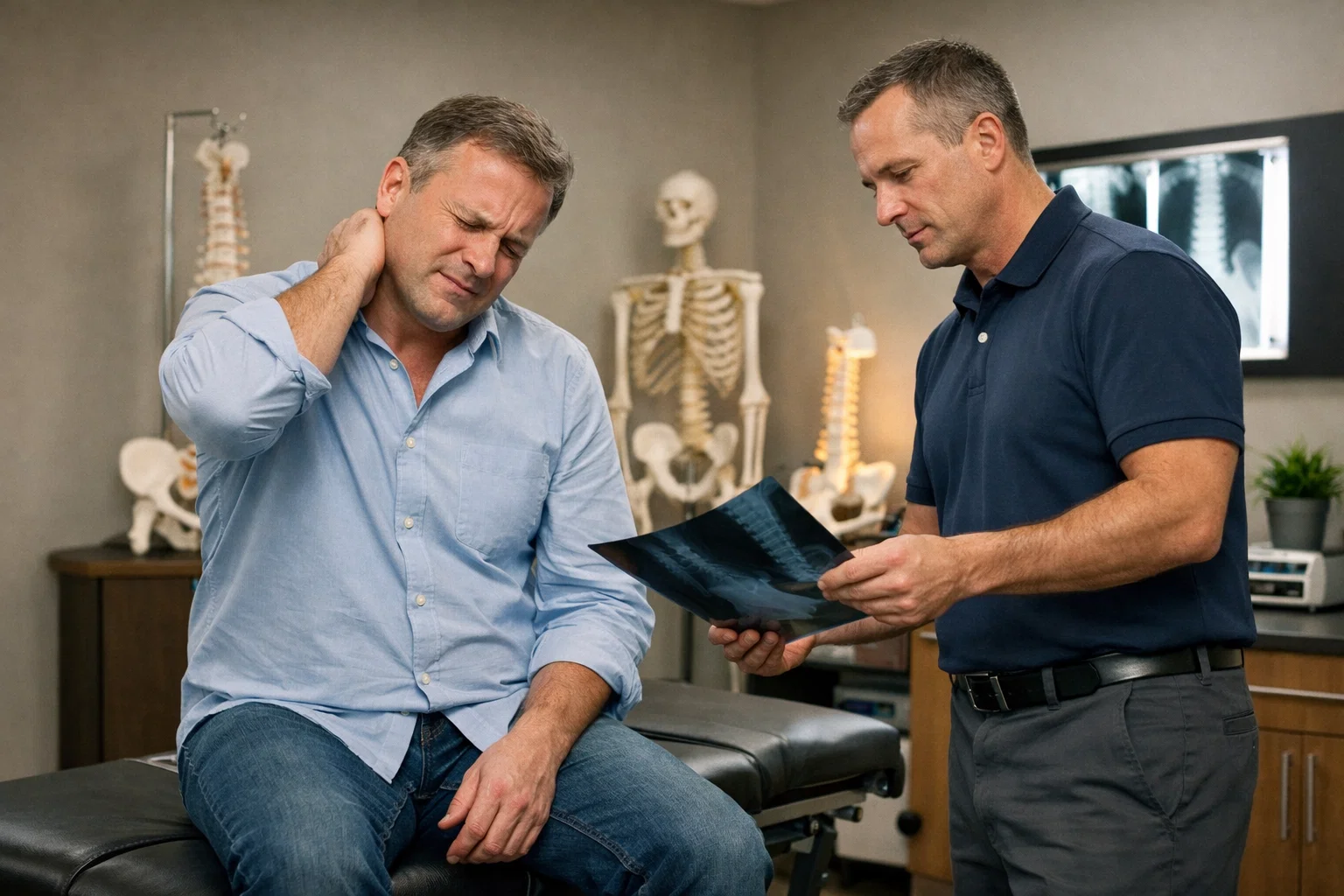
Car accidents are a leading cause of soft-tissue injuries, spinal misalignment, and nerve irritation in Keizer, Oregon. One of the most misunderstood aspects of a motor vehicle collision is that many car accident injuries do not cause immediate pain.
It is common for drivers to leave the scene believing they are uninjured, only to develop neck pain, back stiffness, headaches, or neurological symptoms days — or even weeks — later.
At ProCare Chiropractic in Keizer, we frequently evaluate patients who initially felt fine after a crash but later experienced progressive symptoms. Understanding why injuries are delayed can protect both your health and your insurance claim.
Why You May Not Feel Pain Immediately After a Car Accident
Immediately after a collision, the body shifts into survival mode.
The Role of Adrenaline
Following impact, the body releases adrenaline (epinephrine) and other stress hormones that activate the fight-or-flight response. These chemicals cause:
- Temporary suppression of pain signals
- Increased heart rate and circulation
- Heightened alertness
- Short-term strength increase
- Narrowed focus
At the same time, the body releases endorphins — natural pain-relieving chemicals.
Together, these responses can mask serious injuries, including ligament tears, muscle strains, and spinal trauma. This explains why many Keizer car accident victims feel shaken but relatively comfortable at the scene.
When adrenaline levels drop, the nervous system begins processing pain signals more accurately — and symptoms emerge.
Why Some Car Accident Injuries Are Delayed
As the stress response fades, inflammation increases and damaged tissues begin to swell. That is often when discomfort begins.
Soft-Tissue Injuries Develop Gradually
Soft-tissue injuries involve:
- Muscles
- Ligaments
- Tendons
- Fascia
Unlike fractures, soft-tissue trauma may not produce immediate swelling. Inflammation builds progressively as the body responds to microscopic tears.
Common delayed soft-tissue injuries include:
- Whiplash
- Muscle strains
- Ligament sprains
- Tendon microtears
Pain and stiffness frequently worsen 24–72 hours after the accident.
Whiplash: The Most Common Delayed Injury
Whiplash occurs when the head rapidly snaps forward and backward, most commonly in rear-end collisions.
Even low-speed crashes in Keizer traffic can produce significant cervical spine trauma.
Delayed Whiplash Symptoms
- Neck stiffness
- Headaches
- Shoulder tension
- Dizziness
- Jaw discomfort
- Fatigue
- Brain fog
Without early intervention, whiplash can evolve into chronic neck pain and long-term mobility restriction.
Spinal Disc Injuries May Take Time to Present

Spinal discs function as shock absorbers between vertebrae. During a collision, discs may:
- Bulge
- Herniate
- Tear
Initial inflammation may be minimal. As swelling increases, discs can press on nearby nerves.
Delayed Disc Injury Symptoms
- Lower back pain
- Neck pain
- Tingling in arms or legs
- Numbness in hands or feet
- Muscle weakness
- Reduced range of motion
Disc injuries often worsen gradually and require professional evaluation.
Nervous System Injuries Can Be Subtle
Motor vehicle accidents can affect both the central and peripheral nervous systems.
Delayed neurological symptoms may include:
- Blurred vision
- Dizziness
- Balance issues
- Difficulty sleeping
- Mood changes
- Sensitivity to light or sound
- Trouble concentrating
These symptoms may indicate nerve irritation or mild traumatic injury and should not be ignored.
Why Delayed Injuries Are Dangerous
Ignoring post-accident symptoms can result in:
- Chronic neck pain
- Persistent back pain
- Scar tissue buildup
- Reduced mobility
- Degenerative disc disease
- Long-term nerve dysfunction
Early diagnosis significantly improves recovery outcomes and reduces the risk of chronic complications.
Why You Should See a Chiropractor After a Car Accident in Keizer
Even if you feel fine, early evaluation is critical.
A chiropractor trained in auto accident injury assessment can:
- Detect hidden soft-tissue injuries
- Identify spinal misalignment
- Reduce inflammation early
- Restore joint mobility
- Prevent minor injuries from becoming chronic
At ProCare Chiropractic, post-accident evaluations are structured around collision biomechanics and soft-tissue assessment.
Chiropractic Care for Delayed Car Accident Injuries
Treatment plans may include:
- Gentle spinal adjustments
- Targeted soft-tissue therapy
- Therapeutic massage
- Corrective rehabilitation exercises
- Postural stabilization training
This comprehensive approach addresses the structural cause of symptoms rather than simply masking pain.
Signs You Should Be Evaluated Immediately
Seek prompt chiropractic evaluation if you experience:
- Headaches
- Neck or back pain
- Shoulder stiffness
- Numbness or tingling
- Reduced mobility
- Fatigue or brain fog
- Difficulty balancing
Even mild symptoms can indicate significant underlying injury.
Do Not Rely on the Absence of Pain
Not feeling pain immediately after a car accident does not mean you are uninjured. Delayed symptoms are common — and potentially serious if ignored.
Early chiropractic evaluation offers the best opportunity for:
- Faster healing
- Complete recovery
- Reduced chronic pain risk
- Long-term spinal stability
If you have been involved in a motor vehicle accident in Keizer or surrounding areas — even a minor one — schedule an evaluation as soon as possible to protect your spine and overall health.
ProCare Chiropractic
Address: 3785 River Rd N. Keizer, OR 97303Book: Online BookingPhone: (971) 414-3440