
5 Essential Questions to Ask a Chiropractor After a Car Accident in Keizer, Oregon
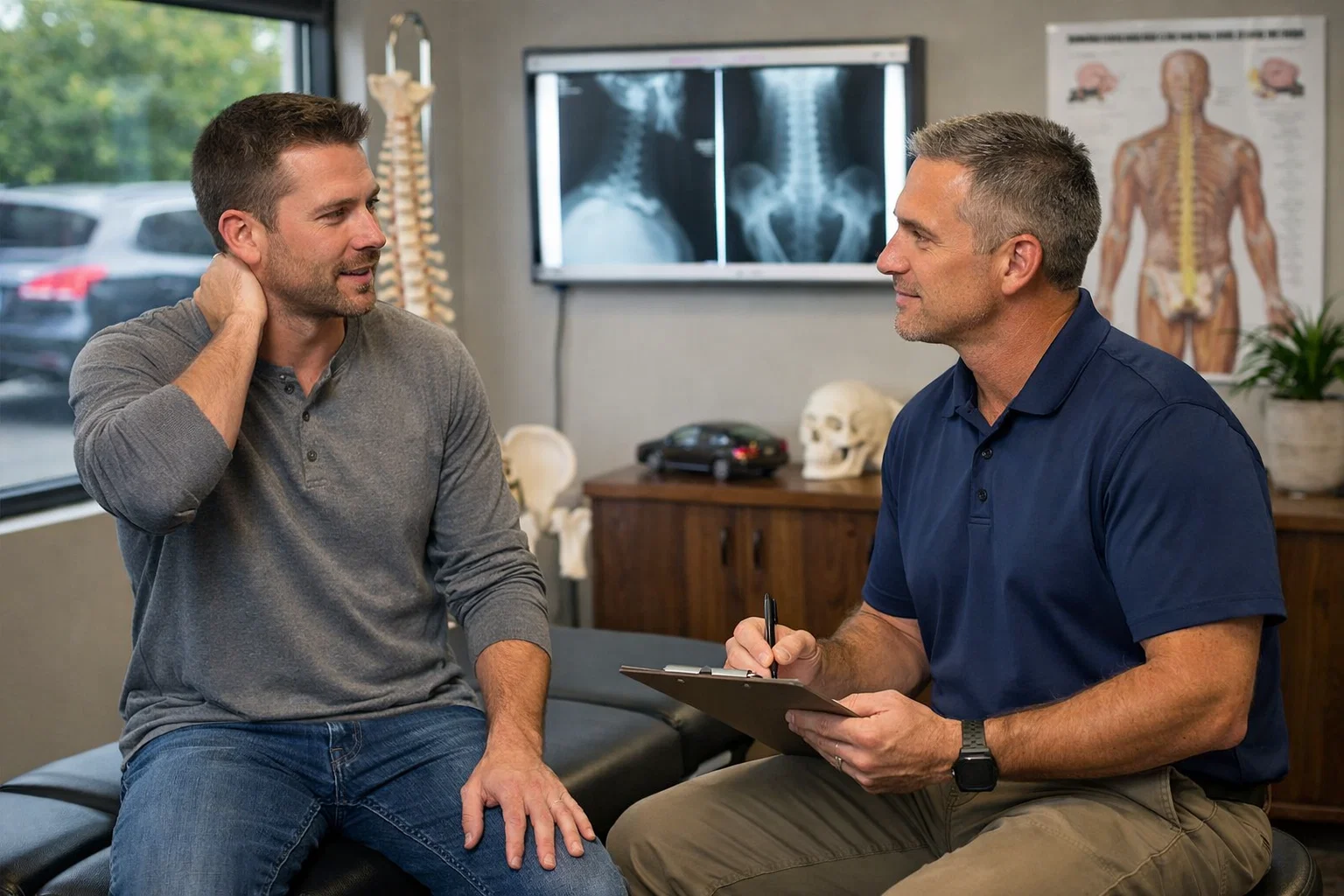
A car accident in Keizer, Oregon can disrupt your health in ways that are not immediately obvious. Even minor collisions can place sudden force on the spine, ligaments, discs, and nervous system. While vehicle damage may be visible right away, musculoskeletal injuries often develop gradually after adrenaline levels decrease.
Neck stiffness, headaches, lower back pain, muscle spasms, and nerve irritation commonly appear hours or days later. Seeking chiropractic care promptly is critical — but asking the right questions is just as important.
Below are five essential questions to ask a chiropractor after a car accident to ensure you receive a thorough evaluation and a structured recovery plan.
1. How Do You Perform a Post-Accident Injury Evaluation?
A comprehensive examination is the foundation of effective treatment. Many auto accident injuries are not visible on the surface, and symptoms may be delayed.
You should ask:
- What does the initial exam include?
- Will spinal range of motion be measured?
- Is neurological function evaluated?
- Do you recommend imaging if clinically necessary?
A proper auto accident evaluation in Keizer should assess:
- Spinal alignment
- Joint mobility
- Muscle and ligament integrity
- Signs of nerve compression
- Postural changes caused by impact
Without a detailed assessment, hidden injuries such as whiplash, disc damage, or ligament instability may go undiagnosed — increasing the risk of chronic pain.
2. What Treatments Do You Use for Car Accident Injuries?
Auto accident trauma differs from general back pain. It often involves inflammation, tissue tearing, and joint instability.
Important questions include:
- Do you regularly treat whiplash injuries?
- How do you address soft tissue damage?
- Are rehabilitation exercises included in care?
- Do you modify techniques for trauma cases?
Common treatments for car accident injuries in Keizer may include:
- Gentle spinal adjustments
- Soft tissue therapy
- Therapeutic massage
- Flexion-distraction for disc injuries
- Corrective rehabilitation exercises
- Postural stabilization training
An experienced auto accident chiropractor will tailor care to restore structural balance while minimizing additional stress on injured tissues.
3. How Severe Are My Injuries?

Many patients underestimate the impact of a crash — especially in low-speed collisions. However, even accidents at 5–10 mph can generate enough force to injure cervical and lumbar structures.
Ask:
- How serious are my injuries?
- Could symptoms worsen without treatment?
- Am I at risk for long-term complications?
Understanding injury severity helps determine:
- Appropriate visit frequency
- Expected recovery timeline
- Whether advanced imaging is required
- If referral to another provider is necessary
Stopping treatment prematurely is one of the most common causes of chronic post-accident pain.
4. What Will My Treatment Plan Look Like?
A structured plan provides clarity and consistency — both of which are essential for recovery.
Ask:
- How often will I need treatment initially?
- How long is the estimated recovery period?
- How will progress be reassessed?
- When will visit frequency decrease?
A typical post-accident treatment plan often includes:
Acute Phase
- Frequent visits
- Focus on inflammation reduction and pain control
Corrective Phase
- Restoring alignment
- Improving joint mobility
- Stabilizing injured tissues
Functional Stabilization Phase
- Strengthening supportive muscles
- Preventing reinjury
- Gradual return to full activity
Clear expectations encourage adherence, and consistency is one of the strongest predictors of full recovery.
5. Do You Coordinate Care with Other Providers if Needed?
Some car accident injuries require collaborative care.
You should ask:
- Will you refer for imaging if symptoms persist?
- Do you coordinate with medical doctors or specialists?
- How are complex or worsening symptoms managed?
Collaboration is particularly important for:
- Herniated discs
- Severe whiplash
- Persistent nerve compression
- Neurological symptoms such as numbness or weakness
A chiropractor who prioritizes coordinated care ensures that your treatment remains appropriate at every stage of healing.
Why Asking These Questions Matters
Auto accident injuries can evolve over time. What begins as mild stiffness can develop into:
- Chronic neck pain
- Degenerative disc changes
- Recurring headaches
- Long-term mobility limitations
- Ongoing nerve irritation
Being proactive protects your long-term spinal health and strengthens documentation for Oregon PIP insurance claims. Thorough evaluation, structured care, and consistent follow-up reduce the likelihood of lingering complications.
Schedule a Chiropractor After a Car Accident in Keizer, Oregon
At ProCare Chiropractic, we provide evidence-based chiropractic care for car accident injuries in Keizer and surrounding communities. Our approach includes comprehensive evaluations, personalized treatment plans, trauma-specific adjustment techniques, rehabilitation exercises, and detailed documentation to support your recovery process.
If you have been injured in a motor vehicle accident, do not wait for symptoms to worsen. Early assessment and structured care significantly improve recovery outcomes.
Schedule your auto accident evaluation today and begin a treatment plan designed for full structural healing and long-term spinal stability.
ProCare Chiropractic
Address: 3785 River Rd N. Keizer, OR 97303Book: Online BookingPhone: (971) 414-3440