From Crash to Comfort: A Guide to Chiropractic Care Post-Accident in Portland, Oregon

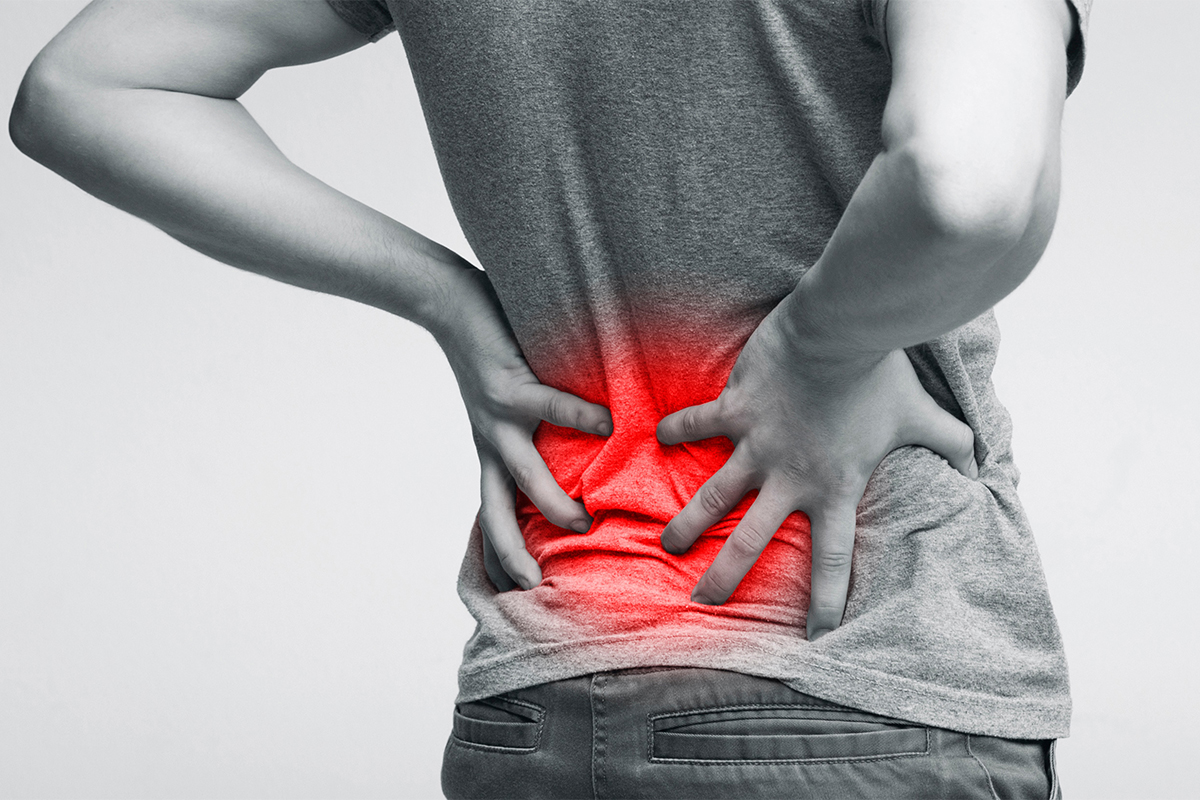
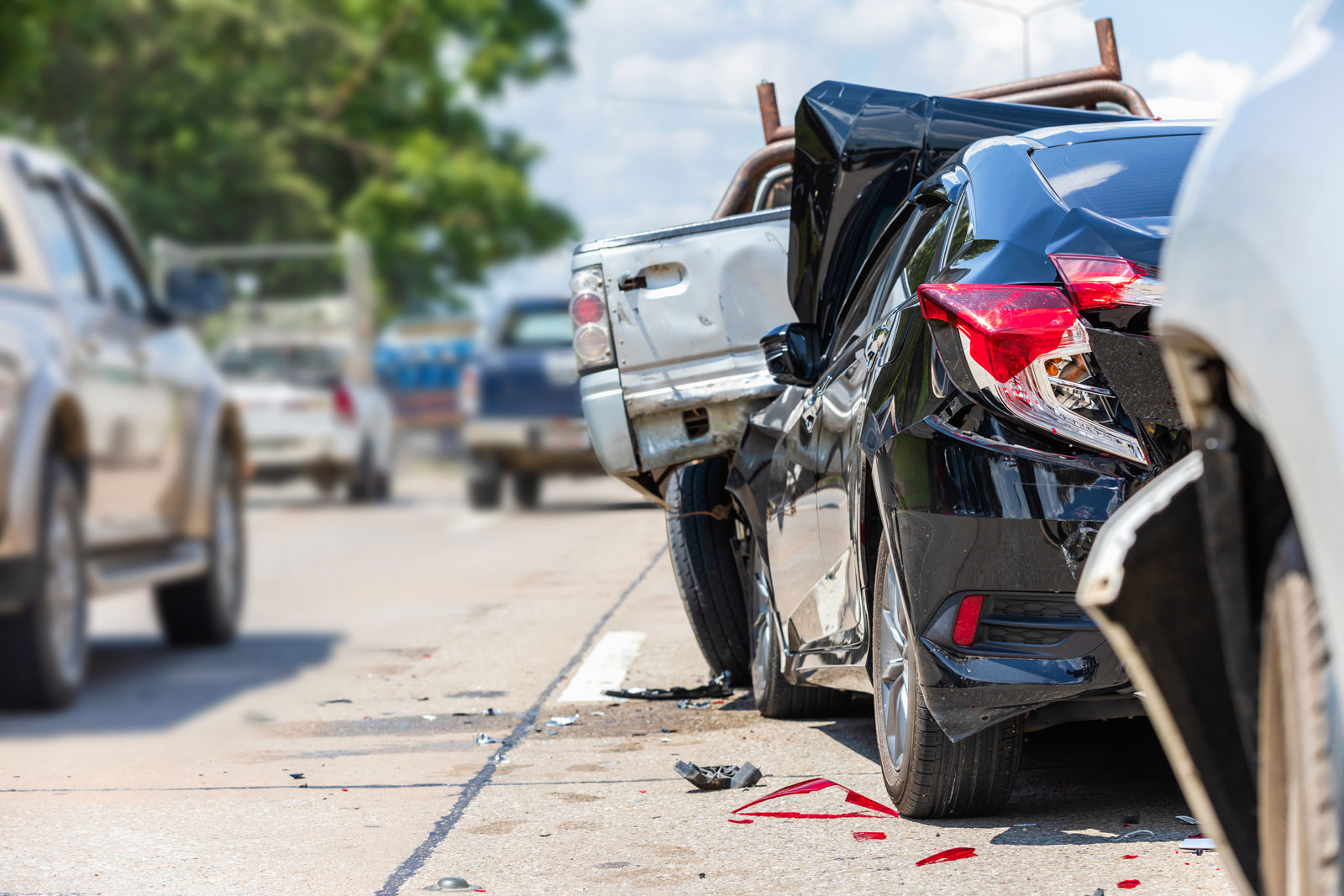
A vehicle collision can change your body in ways you do not feel right away. Chiropractic care after a car accident helps identify and treat the “hidden injuries” that often do not appear on X-rays and may not cause symptoms until days later. In Portland, Oregon, we consistently see patients who walked away from a crash feeling fine, only to develop worsening neck pain, back pain, headaches, stiffness, dizziness, or numbness as inflammation builds and compensation patterns set in.
Chiropractic for auto accidents focuses on the injuries most common after collisions: whiplash, spinal joint dysfunction, soft tissue sprain/strain injuries, muscle spasms, disc irritation, and nerve compression. Early treatment is not only about pain relief. It is about preventing long-term complications such as chronic neck pain, chronic low back pain, persistent headaches, reduced range of motion, postural changes, and accelerated degeneration in injured spinal segments.
At ProCare Chiropractic Clinic in Portland, we provide post-accident evaluation, evidence-based chiropractic treatment, and the documentation needed to support medical necessity and insurance claims when appropriate.
ProCare Chiropractic Clinic
10915 SE Stark St. Suite 200, Portland, OR 97216
(503) 899-0707
Why You Should Seek Care Immediately After a Crash
After a collision, your nervous system releases adrenaline and stress hormones that can temporarily mask pain signals. This is why many people do not recognize injuries until the next day, several days later, or even weeks afterward. Meanwhile, microscopic tearing in muscles, ligaments, and tendons may already be occurring, and the inflammatory process begins immediately.
When patients in Portland delay care, we frequently see a predictable sequence: stiffness increases, movement becomes restricted, muscle guarding intensifies, and normal biomechanics change as the body tries to protect injured areas. Those short-term compensations can turn into long-term patterns that prolong recovery.
For the best outcome, evaluation is recommended as soon as possible after any collision, ideally within the first 72 hours. Early assessment allows your provider to document injuries accurately, establish a baseline, and direct healing before scar tissue and chronic inflammation become more established.
Hidden Injuries That May Not Show on Day One
Whiplash and Cervical Sprain/Strain
Whiplash is not “just a sore neck.” The rapid acceleration-deceleration forces of a crash can injure multiple structures at once: cervical joints, ligaments, discs, and surrounding muscles. Symptoms may include neck pain, reduced motion, headaches, upper back tightness, jaw tension, dizziness, and shoulder or arm symptoms.
Soft Tissue Damage
Soft tissue injuries are extremely common after auto accidents and often do not appear on imaging. Sprains and strains can create long-lasting instability if not managed properly. Without restoring proper joint motion and muscle balance, the body may heal with dysfunctional scar tissue patterns that limit motion and trigger ongoing pain.
Headaches, Dizziness, and “Foggy” Symptoms
Some patients develop headaches, light sensitivity, trouble concentrating, or a sense of imbalance after a crash. Even without direct head impact, rapid motion can disrupt the neck, vestibular system, and neuromuscular control.
Nerve Irritation and Radiating Symptoms
As swelling increases and spinal joints become restricted, nerve irritation may develop. Patients may notice tingling, numbness, burning pain, or radiating discomfort into the arms or legs. Early intervention can reduce mechanical stress and help prevent escalation.
How Chiropractic Care Supports Recovery After Auto Accidents
Chiropractic care after a car accident is designed to restore function, reduce pain drivers, and normalize movement. It is not limited to “cracking” the spine. A structured, evidence-based plan may include:
- Spinal adjustments to restore joint motion and reduce mechanical stress
- Mobilization techniques for restricted spinal segments
- Soft tissue therapy to decrease muscle spasm and improve tissue quality
- Rehab exercises to restore stability, posture, and coordination
- Guidance on activity modification, ergonomics, and sleep positioning
The goal is to reduce pain while addressing the underlying biomechanical and neuromuscular disruptions caused by the collision.
The “72-Hour Window” and Why Early Diagnosis Matters
The first few days after an accident are critical because inflammation and protective muscle guarding are still developing. This period is often the best time to:
- document the extent of injury and symptom onset
- reduce mechanical irritation before the body compensates
- maintain range of motion and prevent stiffness patterns
- limit unnecessary scar tissue restriction
- establish a clear care timeline for insurance and legal purposes when needed
Delaying care may lead to more complex presentations, longer treatment plans, and a higher risk of chronic symptoms.
Step-by-Step: What to Expect at Your First Appointment in Portland
At ProCare Chiropractic Clinic in Portland, your first visit typically includes:
1) Comprehensive Accident History
We document details of the collision, symptom timing, prior injuries, and daily limitations. These details matter both clinically and for accurate records.
2) Orthopedic and Neurological Evaluation
We assess reflexes, sensation, strength, range of motion, joint mechanics, and provocation tests to identify injured structures and functional deficits.
3) Functional Assessment and Treatment Plan
Based on findings, we create a personalized plan focused on restoring function, reducing pain, and supporting tissue healing. When indicated, we coordinate with other providers and outline next steps clearly.
Why Chiropractic Documentation Matters After a Collision
Post-accident care often involves insurance processes. Accurate clinical documentation is important because it:
- establishes a clear baseline after the crash
- tracks measurable improvement over time
- supports medical necessity when appropriate
- provides detailed records that may be requested by insurers or attorneys
Our Portland team understands what documentation needs to include and keeps records thorough and objective.
Common Conditions Treated After Car Accidents in Portland, Oregon

Chiropractic care commonly helps patients managing:
- whiplash injuries
- neck pain and reduced cervical mobility
- mid-back and low back pain
- headaches related to neck dysfunction
- muscle spasm and protective guarding
- disc irritation and sciatica-like symptoms
- shoulder pain and rib or thoracic restrictions
- posture changes and movement compensation after trauma
Even “minor” collisions can create significant force transfer through the spine. If you are unsure whether you were injured, an evaluation can prevent small problems from becoming chronic problems.
Long-Term Risks of Ignoring Auto Accident Injuries
Without appropriate treatment, auto accident injuries can contribute to:
- chronic neck pain and chronic back pain
- ongoing headaches or migraines
- reduced flexibility and persistent stiffness
- weakness and instability from ligament injury
- nerve irritation and radiating symptoms
- accelerated wear-and-tear in injured spinal segments
- long-term postural distortion
Early conservative care is often the best strategy to reduce these risks and restore normal function.
Schedule a Post-Accident Chiropractic Evaluation in Portland
If you were in a car accident in Portland, Oregon, do not wait for symptoms to “prove” you are injured. Many collision-related injuries are delayed, and early care improves recovery outcomes.
Address: 10915 SE Stark St. Suite 200, Portland, OR 97216Book: Online BookingPhone: (503) 899-0707
Call today to schedule your post-accident evaluation. We will assess for hidden injuries, build a targeted recovery plan, and guide you from crash to comfort with evidence-based chiropractic care in 2026.