What Happens to a Child’s Body in a Car Accident?
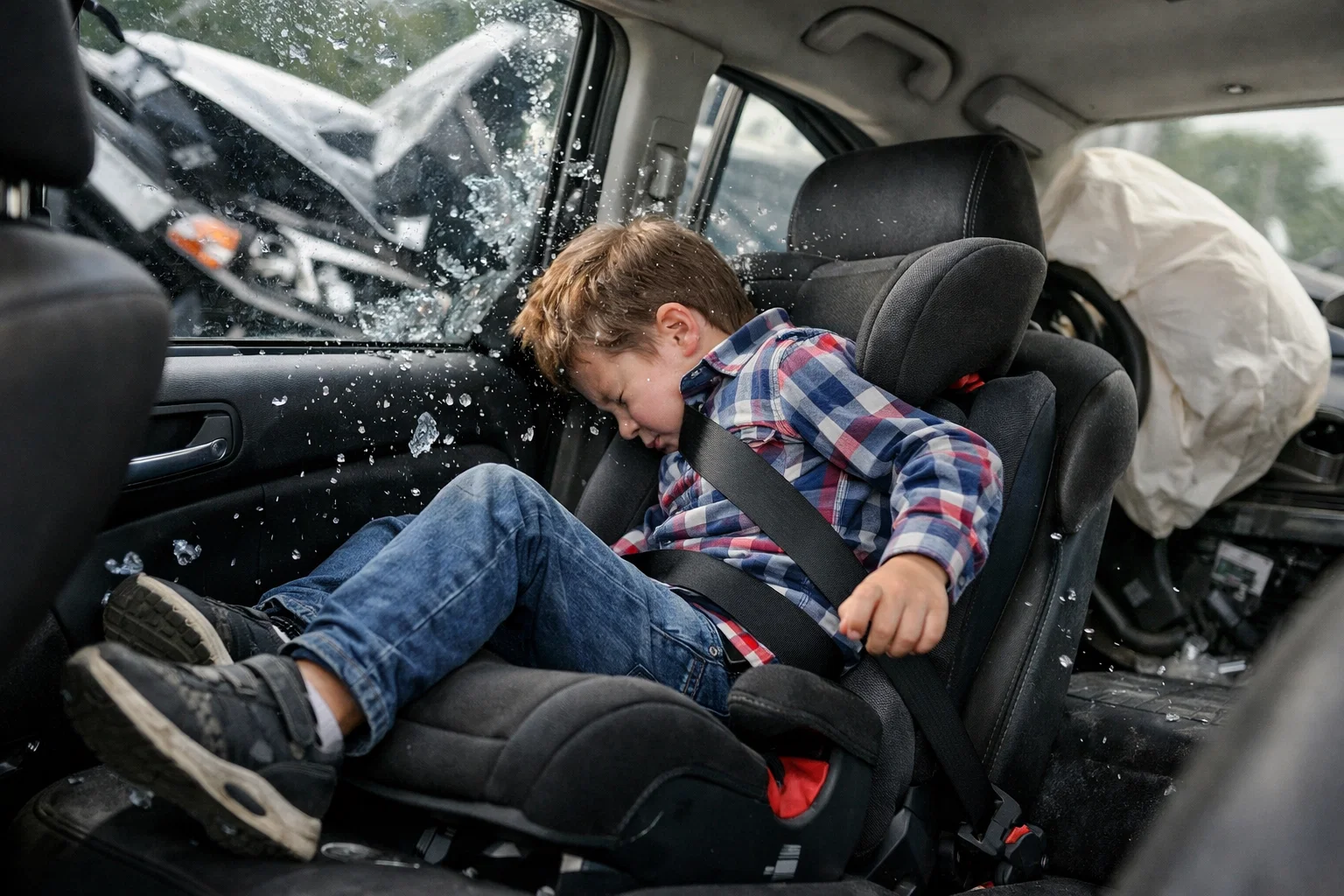
A car accident is traumatic for anyone involved—but when a child is in the vehicle, the risks and emotional impact increase dramatically. Because children’s bodies are still developing, child injuries after car accidents can be more complex and may differ from those seen in adults.
If you are a parent in Portland, Oregon and your child has been involved in an auto accident, understanding what happens to a child’s body during a crash can help you respond appropriately and seek the right care.
At ProCare Chiropractic – Portland, located in Portland, OR, we frequently evaluate children after car accidents for musculoskeletal injuries, whiplash, spinal strain, and delayed symptoms that may not be immediately visible.
Why Children Are More Vulnerable in Car Accidents
Children are not simply “small adults.” Their bodies differ in several critical ways:
- Bones are softer and more flexible
- Ligaments are looser
- Muscles are still developing
- Heads are proportionally larger compared to body size
- Neck muscles are weaker
These anatomical differences mean that during a sudden impact, a child’s body absorbs force differently than an adult’s body.
Even in low-speed collisions, the rapid acceleration and deceleration forces can create significant strain on a child’s spine, head, and internal organs.
What Physically Happens During a Collision
When a car stops suddenly due to impact, everything inside the vehicle continues moving forward at the same speed until restrained.
For a child, this means:
- The head may whip forward and backward
- The cervical spine experiences sudden force
- The chest compresses against the seatbelt or harness
- Internal organs shift within the abdominal cavity
- The brain may move inside the skull
This rapid motion can cause both visible and invisible injuries.
Common Child Injuries After Car Accidents
1. Head Injuries and Concussions
Because children have proportionally larger heads and weaker neck muscles, they are more susceptible to head trauma.
Potential injuries include:
- Concussions
- Skull fractures
- Traumatic brain injury
- Headaches and migraines
- Memory or concentration difficulties
Head injuries are particularly concerning because symptoms are not always immediately obvious. A child may appear “fine” but develop nausea, dizziness, behavioral changes, or fatigue hours or days later.
2. Neck and Whiplash Injuries
Whiplash is not limited to adults. Children can experience cervical spine injuries when their head snaps forward and backward during impact.
Symptoms may include:
- Neck stiffness
- Irritability
- Decreased range of motion
- Shoulder pain
- Headaches
- Difficulty sleeping
Because children may struggle to clearly describe their pain, parents must watch for subtle behavioral changes.
3. Thoracic (Chest) Injuries
According to research from the National Highway Traffic Safety Administration, younger children are at increased risk of head and thoracic injuries.
Seatbelts and harness systems protect children, but they can also cause:
- Bruising across the chest
- Rib strain
- Lung contusions
- Abdominal compression injuries
While restraints save lives, improper positioning increases injury risk.
4. Abdominal and Organ Injuries
The sudden force of a collision can cause internal trauma.
Warning signs include:
- Abdominal pain
- Swelling
- Vomiting
- Pale skin
- Unusual fatigue
Internal bleeding is rare but serious and requires immediate emergency evaluation.
5. Spinal Injuries
Even if no fractures occur, children can sustain:
- Ligament sprains
- Disc irritation
- Soft tissue inflammation
- Postural imbalance
Spinal injuries may not be visible on standard X-rays, especially soft tissue damage.
Left untreated, spinal trauma in childhood can contribute to long-term posture problems, chronic pain, and mobility limitations.
Car Seats and Injury Prevention
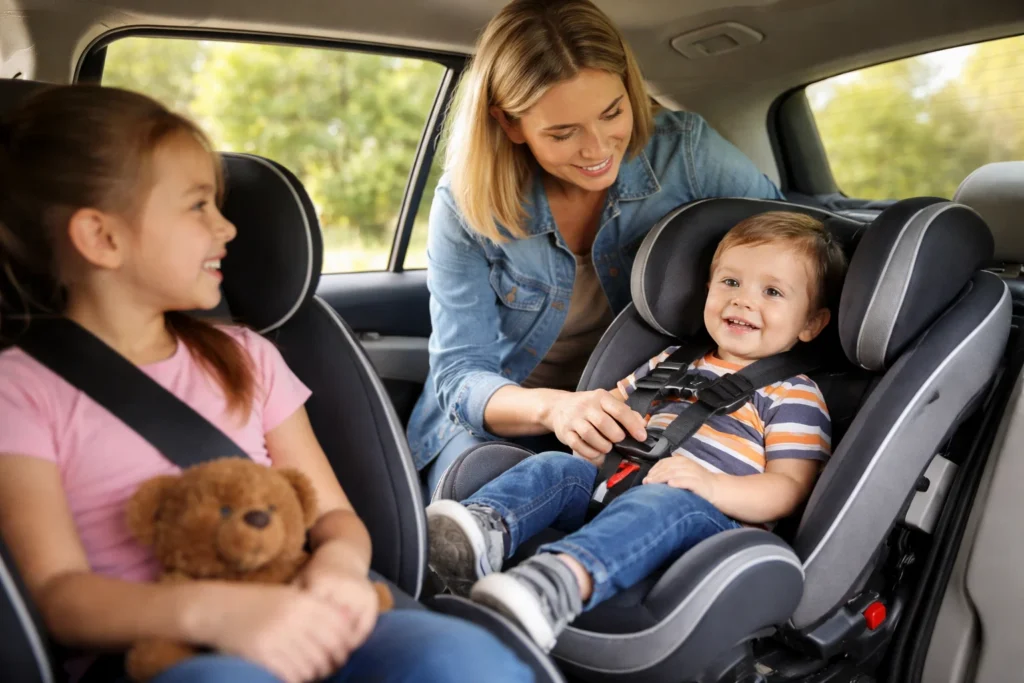
Properly installed car seats dramatically reduce the severity of injuries.
To minimize risk:
- Ensure the car seat matches your child’s age and weight
- Confirm secure installation
- Keep children rear-facing as long as recommended
- Position harness straps correctly
While no restraint system can eliminate all injury risk, correct use significantly improves safety outcomes.
Injuries Are Not Always Immediately Apparent
After a car accident, adrenaline affects children just as it does adults. This can temporarily mask pain.
Symptoms may appear:
- Hours later
- The next day
- Several days after the crash
Parents should monitor for:
- Mood changes
- Increased sleepiness
- Headaches
- Neck stiffness
- Refusal to turn the head
- Complaints of back pain
- Tingling in arms or legs
Any concerning symptom warrants medical evaluation.
When Should a Child See a Doctor?
Immediate emergency care is necessary if a child experiences:
- Loss of consciousness
- Severe headache
- Persistent vomiting
- Seizure activity
- Unequal pupils
- Difficulty walking
- Extreme lethargy
Even if no emergency symptoms appear, a medical evaluation within 24–72 hours after an accident is strongly recommended.
The Role of Chiropractic Evaluation After a Car Accident
After emergency conditions are ruled out, many families seek evaluation for lingering neck pain, back discomfort, or mobility issues.
Chiropractic assessment can help:
- Identify subtle spinal misalignments
- Evaluate soft tissue injury
- Detect restricted joint movement
- Reduce inflammation
- Support safe recovery
At ProCare Chiropractic – Portland, we perform careful, age-appropriate evaluations tailored to pediatric patients. Gentle, non-invasive techniques are used when clinically appropriate.
Why Early Evaluation Matters
Children heal quickly—but improper healing can lead to compensation patterns and long-term imbalance.
Early assessment helps:
- Prevent chronic pain
- Reduce scar tissue formation
- Restore proper spinal alignment
- Maintain normal posture development
- Support healthy nervous system function
Addressing minor injuries early prevents more serious complications later.
Protecting Your Child After a Car Accident
If you are still at the accident scene and suspect serious injury:
- Do not move your child unless there is immediate danger
- Wait for emergency medical personnel
- Keep the child calm and still
Once home, continue monitoring for delayed symptoms.
Pediatric Auto Accident Care in Portland, Oregon
If your child has been involved in a car accident in Portland or surrounding Washington County, do not assume they are uninjured simply because they appear fine.
Schedule a professional evaluation at:
Address: 10915 SE Stark St. Suite 200, Portland, OR 97216Book: Online BookingPhone: (503) 899-0707
Our team provides comprehensive post-accident assessments and gentle chiropractic care when appropriate to support recovery and long-term spinal health.
Take Pediatric Injuries Seriously
Children are resilient—but that resilience can mask serious injuries.
If your child has been in a motor vehicle collision:
- Seek immediate emergency care if symptoms are severe
- Monitor closely for delayed symptoms
- Schedule a professional evaluation within days
Early action protects your child’s health, development, and future well-being.
If you have concerns following an auto accident in Portland, contact ProCare Chiropractic today at (503) 899-0707 to schedule a comprehensive evaluation.