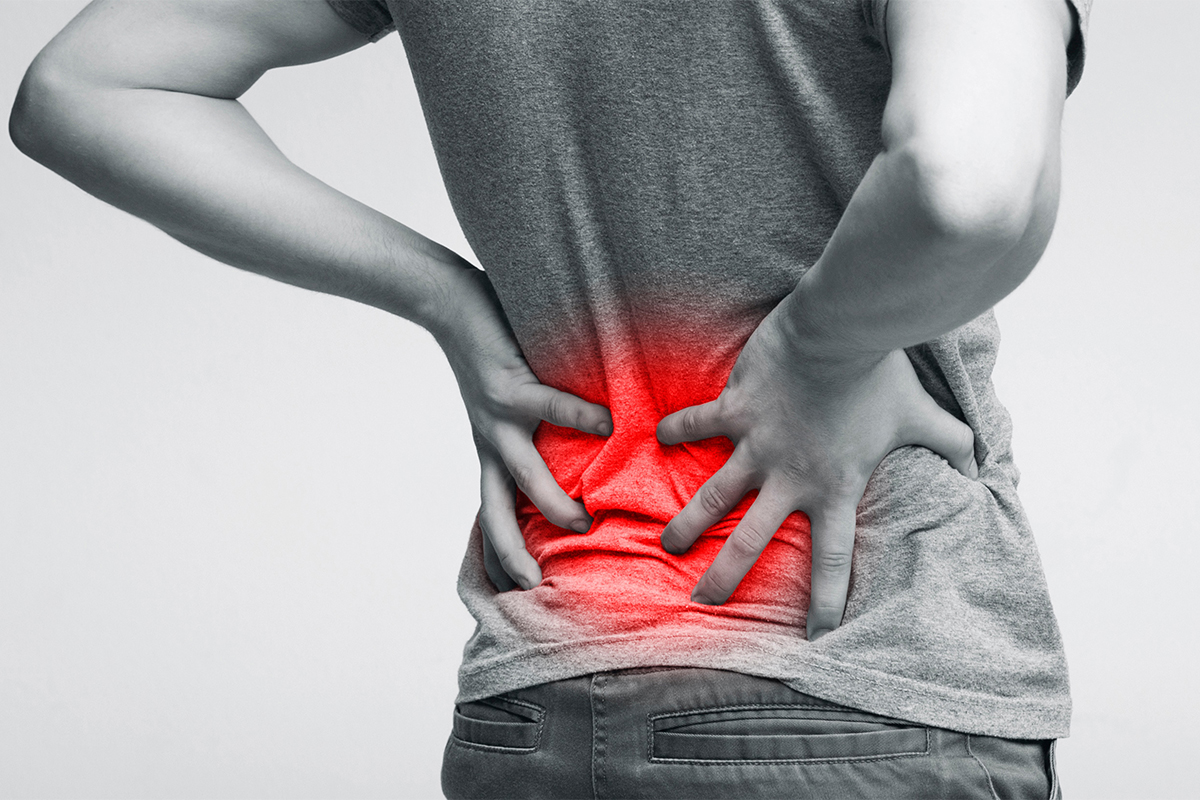
Active Release Technique After a Car Accident: A Comprehensive Guide to Recovery in Hillsboro, Oregon

Car accidents in Hillsboro often cause injuries that go far beyond what appears on X-rays or MRI scans. Even low-speed collisions can create significant trauma to muscles, tendons, ligaments, fascia, and nerves. These soft tissue injuries are among the most common—and most frequently overlooked—consequences of motor vehicle accidents.
One of the most advanced and effective therapies used in modern car accident injury treatment Hillsboro Oregon is Active Release Technique (ART). This specialized manual therapy plays a critical role in reducing pain, restoring movement, and preventing long-term complications.
At ProCare Chiropractic – Hillsboro, Active Release Technique is a cornerstone of comprehensive auto accident rehabilitation.
Understanding Soft Tissue Injuries After a Car Accident
When vehicles collide, the body absorbs force within milliseconds. Even with seatbelts and airbags, the spine and surrounding tissues experience sudden acceleration and deceleration forces.
Common soft tissue injuries include:
- Muscle strains and microtears
- Ligament sprains
- Fascial adhesions
- Tendon inflammation
- Nerve entrapment
These injuries often do not show up on standard imaging but can cause:
- Chronic neck or back pain
- Reduced range of motion
- Muscle weakness
- Numbness and tingling
- Headaches and migraines
Without proper care from an experienced auto accident chiropractor Hillsboro, soft tissues may heal with excessive scar tissue, restricting movement and compressing nerves.
What Is Active Release Technique (ART)?
Active Release Technique is a highly specialized, hands-on soft tissue treatment system used by trained chiropractors and rehabilitation providers.
ART focuses on:
- Identifying adhesions and scar tissue
- Releasing restricted muscles and fascia
- Restoring normal movement patterns
- Reducing nerve compression
Unlike traditional massage therapy, ART is movement-based and highly specific. The practitioner applies precise tension to a tissue while guiding the patient through controlled movements.
If you are searching for a chiropractor in Hillsboro OR who offers advanced soft tissue care, ART is an important treatment option.
Why ART Is Especially Effective After Car Accidents
Car accidents create unique injury patterns involving:
- Whiplash motion
- Twisting and rotational forces
- Sudden compression
- Muscle guarding
These forces disrupt tissue alignment and cause microtrauma throughout the body.
Active Release Technique helps by:
- Breaking down scar tissue before it becomes permanent
- Improving circulation and oxygen delivery
- Restoring nerve signaling
- Reducing inflammation
- Preventing chronic pain syndromes
For patients at our Hillsboro chiropractic clinic, ART is particularly effective when pain persists despite rest or medication.
Conditions ART Commonly Treats After Auto Accidents
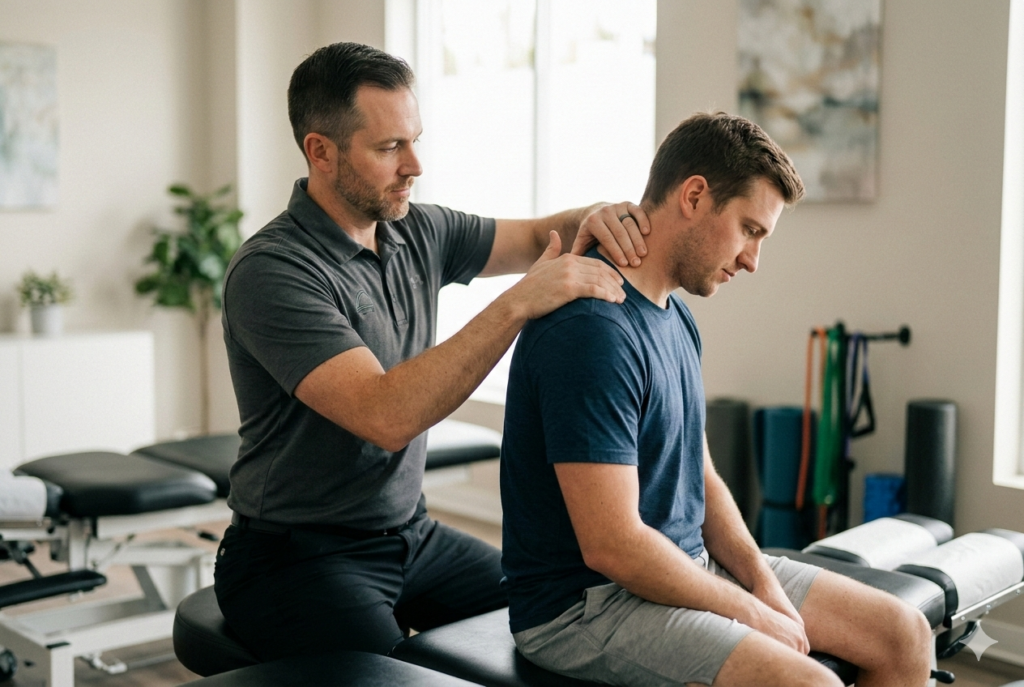
Neck and Whiplash Injuries
- Cervical muscle strain
- Ligament irritation
- Restricted neck mobility
- Cervicogenic headaches
Back Injuries
- Thoracic muscle tension
- Lumbar strain
- Disc-related muscle guarding
- Chronic lower back pain
Nerve Compression Syndromes
- Sciatica
- Thoracic outlet syndrome
- Ulnar nerve entrapment
- Radial nerve irritation
Shoulder and Upper Extremity Injuries
- Rotator cuff strain
- Frozen shoulder
- Elbow and wrist pain
Patients seeking a personal injury chiropractor Hillsboro often benefit from ART as part of a comprehensive recovery plan.
ART vs. Traditional Massage Therapy
While massage therapy promotes general muscle relaxation, ART provides targeted structural correction.
Massage Therapy
- General relaxation
- Passive treatment
- Temporary relief
Active Release Technique
- Targets specific adhesions
- Movement-based therapy
- Direct nerve release
- Long-term functional improvement
ART addresses the root cause of pain rather than simply masking symptoms.
How ART Fits Into Auto Accident Chiropractic Care
At ProCare Chiropractic – Hillsboro, ART is integrated into a complete rehabilitation strategy that may include:
- Chiropractic spinal adjustments
- Corrective exercises
- Postural rehabilitation
- Neuromuscular re-education
- Soft tissue therapy
This integrated approach ensures both structural alignment and soft tissue healing occur simultaneously.
Preventing Chronic Pain After a Car Accident
Scar tissue can begin forming within weeks of injury. Once established, it can:
- Restrict joint movement
- Alter biomechanics
- Increase risk of reinjury
- Contribute to chronic pain
Early intervention by an experienced auto accident chiropractor Hillsboro using ART helps reduce long-term complications.
Insurance Coverage for ART in Oregon
In Oregon, Active Release Technique performed by a licensed chiropractor is often covered under:
- Personal Injury Protection (PIP) insurance
- Auto accident claims
- Certain health insurance plans
Our office assists patients with documentation and billing related to PIP claims.
Schedule an Auto Accident Evaluation at ProCare Chiropractic – Hillsboro
If you are experiencing lingering pain, stiffness, or nerve symptoms after a car accident in Hillsboro, early treatment is critical.
ProCare Chiropractic – Hillsboro provides advanced auto accident rehabilitation, including Active Release Technique, for patients seeking effective, non-surgical care.
ProCare Chiropractic – Hillsboro
Address: 329 SE 3rd Avenue, Hillsboro, OR 97123Book: Online BookingPhone: (503) 899-0707
Contact ProCare Chiropractic – Hillsboro today to schedule a comprehensive evaluation with a trusted chiropractor in Hillsboro OR. Our team will determine whether Active Release Technique is appropriate for your condition and develop a personalized treatment plan focused on pain relief, mobility restoration, and long-term recovery.