Your Guide to Finding Neuromuscular Therapy in Portland, Oregon

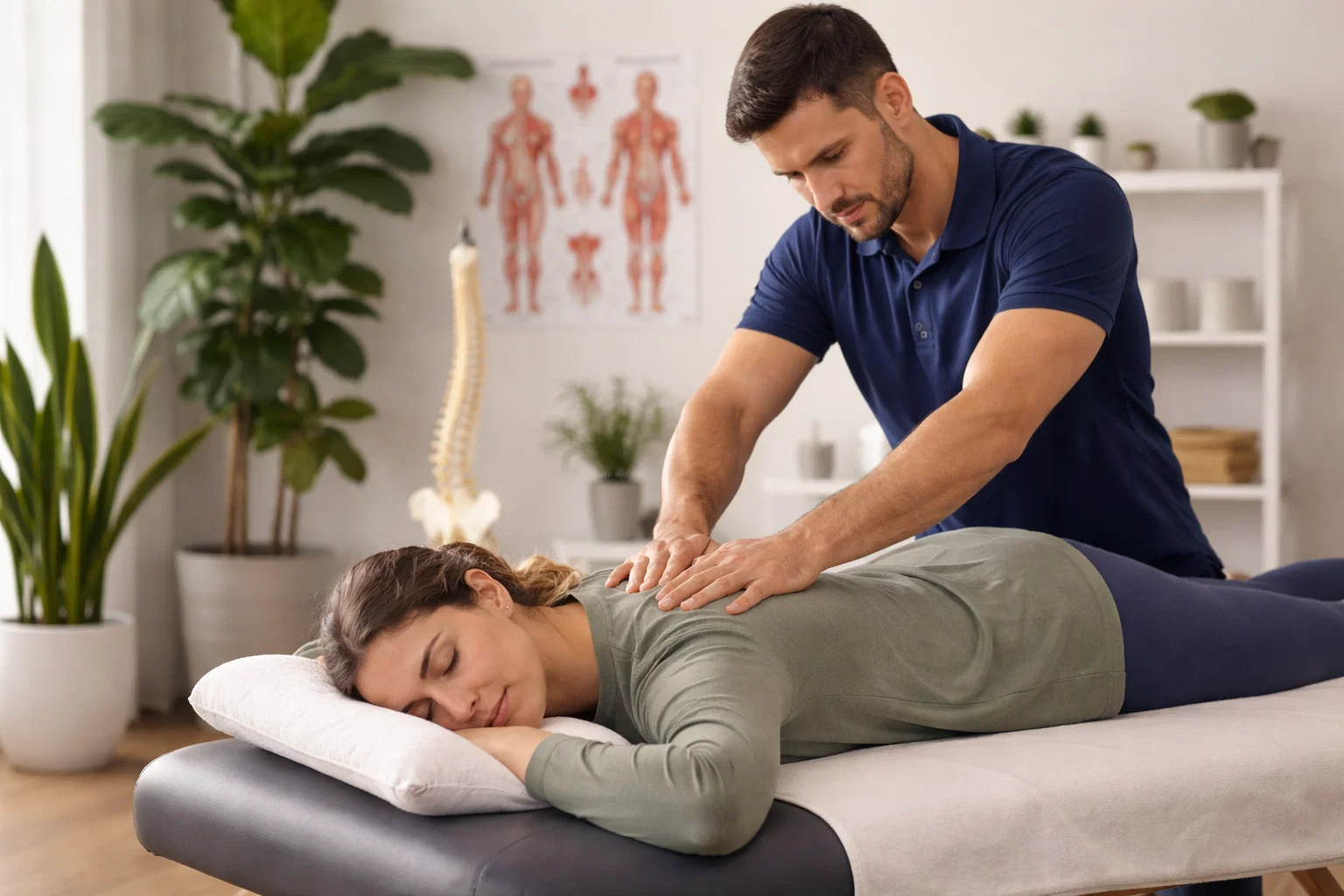
Searching for neuromuscular therapy in Portland, Oregon usually means one thing: you are dealing with pain that keeps coming back. Chronic neck pain, low back pain, headaches, shoulder tightness, sciatica-like symptoms, and repetitive strain discomfort often persist because the real driver is not simply “tight muscles,” but trigger points, nerve irritation, postural distortion, and muscle imbalance that build over time. Neuromuscular therapy (NMT) is a specialized form of manual therapy designed to address these root causes with assessment-based treatment, precise pressure, and corrective strategies that restore healthier muscle function and movement patterns.
Unlike relaxation massage, neuromuscular therapy is problem-focused and outcome-driven. The goal is not a temporary sense of relief that fades in a day or two. The goal is measurable improvement: reduced pain intensity, increased range of motion, improved posture mechanics, fewer headaches, better tolerance for sitting and working, and a lower risk of flare-ups returning.
At ProCare Chiropractic Clinic in Portland, neuromuscular therapy is commonly used as part of a comprehensive musculoskeletal care plan. When muscle trigger points and joint restriction occur together—such as tech neck with cervical stiffness, low back pain with hip imbalance, or whiplash-related muscle guarding—neuromuscular therapy can complement chiropractic care and rehabilitation to improve recovery quality and long-term stability.
What Neuromuscular Therapy Is and Why It Works Differently
Neuromuscular therapy is often described as “detective work” for your muscles and nerves. Instead of applying generalized pressure across large areas, NMT targets specific tissues that contribute to pain patterns. The therapist assesses posture, movement habits, and symptom behavior, then treats trigger points and restrictions that keep your body stuck in a dysfunctional loop.
NMT is especially effective because it addresses five common drivers of persistent pain:
Postural distortion: Forward head posture, rounded shoulders, and prolonged sitting shift load into the neck, upper back, shoulders, and low back, creating muscle imbalance and joint stress.
Trigger points: These hypersensitive knots in muscle tissue can refer pain elsewhere. A trigger point in the neck can contribute to headaches; a trigger point in the gluteal muscles can mimic sciatica down the leg.
Nerve irritation or entrapment: Tight muscles and restricted tissues can irritate nerves, contributing to tingling, numbness, burning discomfort, or radiating pain.
Ischemia (reduced blood flow): Trigger points are frequently linked to poor local circulation. Reduced oxygen delivery makes tissues more sensitive and slows recovery.
Biomechanical dysfunction: When you move with compensation patterns after injury or repetitive work demands, your body adopts faulty mechanics that reinforce pain.
Neuromuscular therapy is designed to reduce these drivers, improve tissue function, and support a more stable movement pattern—so your results last longer than symptom-based approaches.
Core Techniques You May Experience During NMT
A Portland neuromuscular therapy session typically feels different from a spa massage because the therapist is working with a clinical goal. Techniques vary based on your condition, but common methods include:
Trigger point pressure (sustained compression): Targeted, steady pressure applied directly to trigger points, often for 30 seconds to 2 minutes depending on tissue response and tolerance.
Cross-fiber friction: Controlled friction applied across muscle fibers to reduce adhesions and improve local tissue mobility, often used when scar tissue or chronic tightness is present.
Myofascial release: Gentle, sustained pressure aimed at restrictions in fascia (connective tissue) that limit movement and contribute to widespread tension.
Post-isometric relaxation and assisted stretching: Guided contraction-and-release techniques that allow deeper, safer mobility improvements than passive stretching alone.
A key element of true neuromuscular therapy is communication. Pressure should be therapeutic, not overwhelming. Excessive pressure can cause protective tightening that slows progress. A skilled provider uses enough intensity to create change while keeping your nervous system cooperative.
Who Benefits Most from Neuromuscular Therapy in Portland
NMT is commonly selected by people who have tried standard massage, stretching, or general care and still feel stuck. It is often effective for:
- chronic neck pain, tech neck, and upper trapezius tension
- headaches linked to neck and shoulder tightness
- chronic low back pain and gluteal trigger point patterns
- sciatica-like symptoms related to muscular compression and imbalance
- shoulder tightness, repetitive strain, and desk-work discomfort
- postural strain from prolonged sitting, driving, or device use
- sports overuse tightness and mobility restrictions
- muscle guarding after injury, including whiplash-related patterns
Neuromuscular therapy is also a strong fit for patients who want a structured plan rather than one-off sessions. Chronic problems generally require consistency because trigger points and postural patterns develop over time and often need systematic correction.
Safety Considerations and When to Postpone Treatment
Neuromuscular therapy is generally safe when performed by trained professionals, but it is not appropriate in every situation. Treatment may need modification or medical clearance if you have acute infection or fever, significant swelling from a fresh injury within the first 48–72 hours, blood clot concerns, certain anticoagulant medications, open wounds, fragile bone conditions such as severe osteoporosis, or other significant medical conditions. A qualified therapist will review health history and adjust the approach accordingly.
Mild soreness for 24–48 hours after treatment can occur, especially when long-standing trigger points are addressed. This is often similar to post-exercise soreness. Hydration, gentle movement, and following aftercare recommendations typically reduce discomfort and help results hold.
How to Choose a Qualified Neuromuscular Therapy Provider in Portland
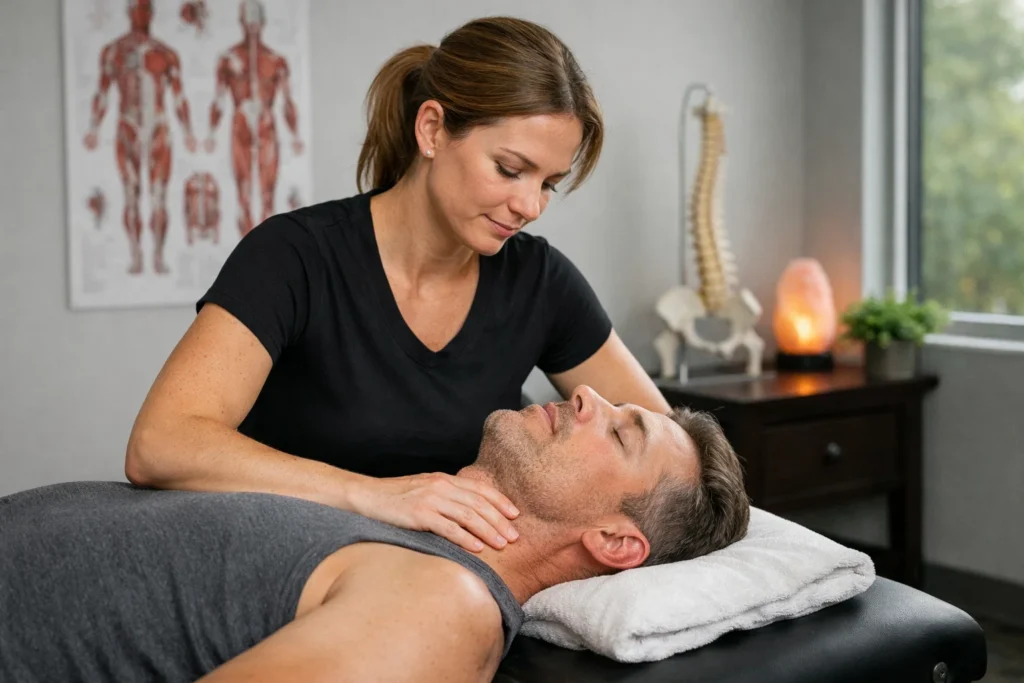
When people search for “neuromuscular therapy in Portland,” the challenge is that not every provider who uses the term is delivering true assessment-based NMT. A high-quality neuromuscular therapy experience usually includes:
- a clear intake process that reviews symptoms, injury history, work habits, and goals
- posture and movement assessment, not just “where does it hurt”
- therapist explanation of what they are treating and why
- outcome tracking over time (pain behavior, range of motion, functional improvement)
- transparency in pricing and session length expectations
- an approach that supports long-term improvement, including home guidance when appropriate
A major red flag is skipping assessment and applying a generic massage routine. Neuromuscular therapy should be specific, strategic, and responsive to your condition.
What to Expect Before, During, and After Your First Session
Before your visit, complete your intake forms thoroughly and note patterns: when pain worsens, which positions trigger symptoms, and whether pain radiates or stays local. Good information improves clinical accuracy.
During treatment, the therapist will identify trigger points and restrictions and will likely work in a systematic sequence rather than randomly moving around the body. You may feel referred sensations as trigger points are treated, which is common and can help confirm the source of symptoms.
After the session, follow the recommended aftercare. Hydration helps support tissue recovery. Light walking and gentle mobility often help the body integrate changes. Avoid aggressive workouts immediately after deep trigger point work if you tend to flare easily.
Why Combining NMT with Chiropractic Care Can Improve Outcomes
Many chronic pain patterns are not purely muscular. Joint restriction, spinal mechanics, and posture stress contribute to muscle trigger points, and tight muscles can also pull joints into dysfunctional movement patterns. When appropriate, combining neuromuscular therapy with chiropractic care and targeted rehabilitation can produce more stable results because both the muscular and joint components are addressed.
This integrated approach is especially relevant for Portland residents with desk-work posture strain, chronic neck stiffness, recurring headaches, repetitive strain patterns, and low back pain linked to hip and pelvic imbalance.
Schedule Neuromuscular Therapy in Portland, Oregon
If you are looking for neuromuscular therapy in Portland because pain keeps returning or you want treatment that targets trigger points and root causes, our team can help you build a plan focused on measurable improvement and lasting results.
Address: 10915 SE Stark St. Suite 200, Portland, OR 97216Book: Online BookingPhone: (503) 899-0707
Call today to schedule your appointment and learn how neuromuscular therapy in 2026 can support pain relief, posture improvement, mobility restoration, and better day-to-day function.