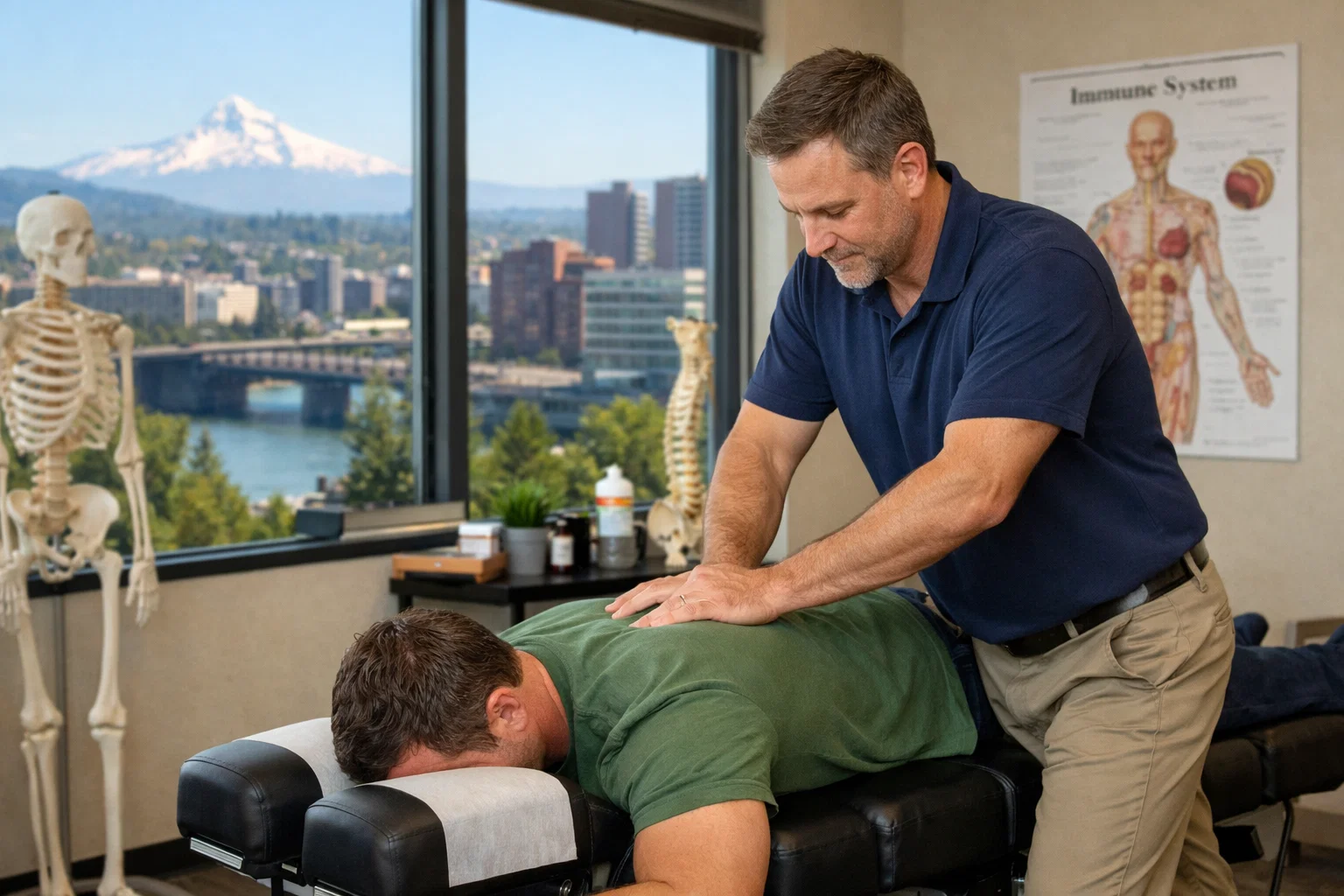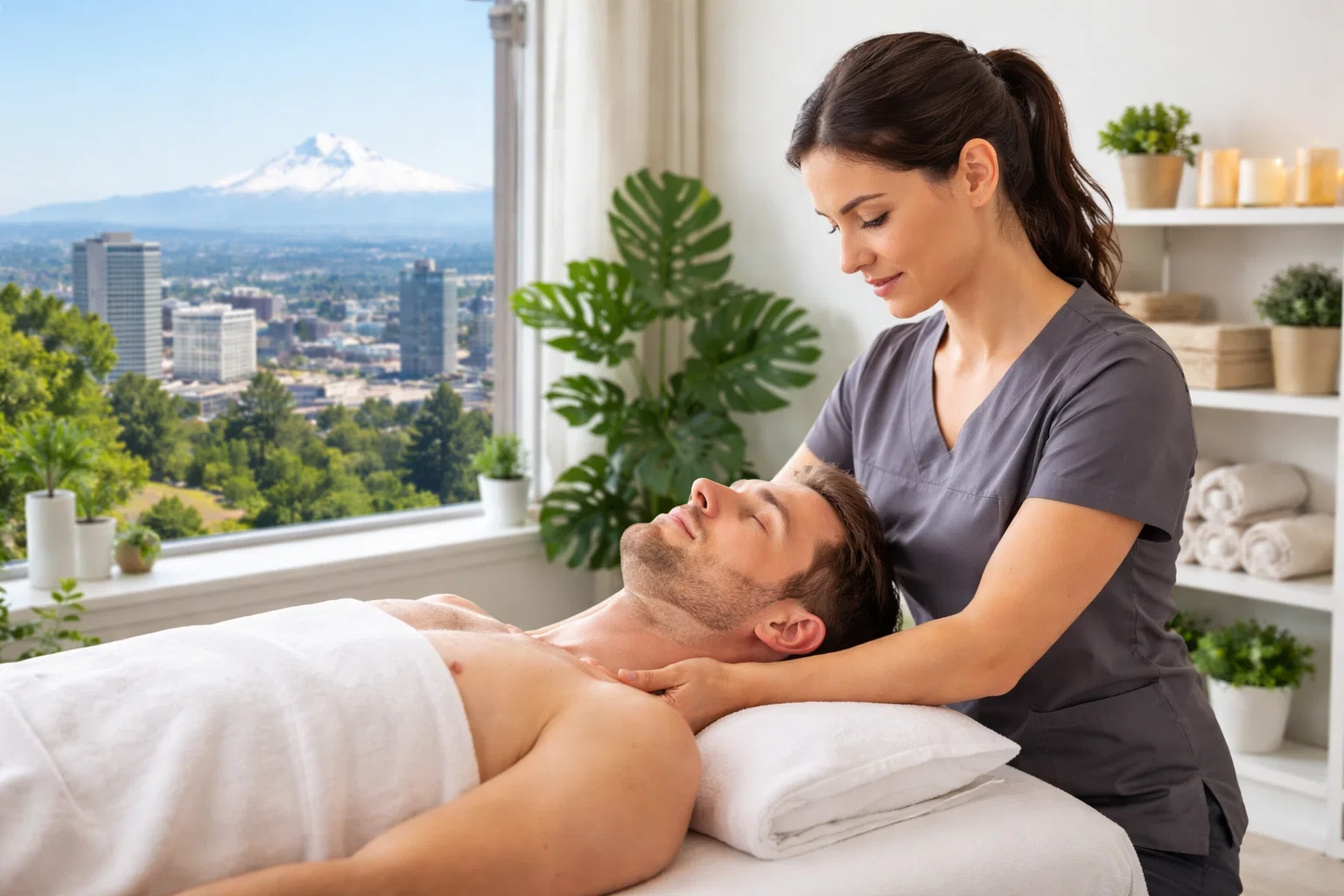
An Essential Guide to Neuromuscular Massage Benefits in Portland, Oregon

Chronic pain rarely comes from “one tight muscle.” For many adults in Portland, Oregon, ongoing neck pain, low back pain, shoulder tension, headaches, and sciatica-like symptoms develop from trigger points and muscle imbalances that quietly build over time. Understanding the neuromuscular massage benefits can help explain why this specialized therapeutic technique is designed to address these underlying causes through assessment-based manual therapy, sustained pressure, and precise treatment of trigger points. Unlike relaxation massage, neuromuscular therapy focuses on functional improvement, pain reduction, and long-term correction of dysfunctional neuromuscular patterns.
At ProCare Chiropractic Clinic in Portland, neuromuscular massage is used as part of an integrated approach to musculoskeletal care, often combined with chiropractic adjustments, corrective exercise, and posture-focused rehabilitation. This combination is especially helpful when pain involves both joint dysfunction and muscular trigger points, which is common in chronic conditions and post-injury recovery.
What Is Neuromuscular Massage Therapy?
Neuromuscular massage is a clinical style of massage therapy that targets specific pain-generating areas rather than applying generalized pressure across broad muscle groups. The hallmark of neuromuscular therapy is the identification and treatment of trigger points—hypersensitive knots in muscle tissue that can refer pain to other locations. A trigger point in the upper trapezius may contribute to headaches or neck pain, while trigger points in the gluteal muscles may create radiating discomfort that resembles sciatica.
Neuromuscular massage addresses the interaction between nerves and muscles by focusing on five common drivers of persistent pain: ischemia (reduced blood flow), trigger points, nerve irritation from muscular tightness, postural distortion, and biomechanical dysfunction. Treatment typically involves sustained, controlled pressure on a trigger point for approximately 10 to 30 seconds, followed by techniques that encourage normal tissue movement and improved circulation.
Core Neuromuscular Massage Benefits
Targeted Pain Relief for Chronic Conditions
One of the most valuable neuromuscular massage benefits is improved pain control for chronic musculoskeletal problems. When trigger points remain active, they perpetuate pain signals, limit mobility, and create compensation patterns. Neuromuscular therapy reduces these pain drivers by releasing trigger points, improving tissue oxygenation, and decreasing mechanical strain on surrounding structures. Patients commonly seek this therapy in Portland for chronic neck pain, chronic low back pain, tension headaches, shoulder pain, and repetitive strain symptoms.
Improved Range of Motion and Flexibility
Restricted movement is often a combination of joint stiffness and muscular guarding. Trigger points can keep muscle fibers locked in shortened positions, making stretching ineffective and increasing the risk of reinjury. By releasing these trigger points, neuromuscular massage can restore normal muscle length, improve flexibility, and allow joints to move through healthier ranges. Many patients notice immediate changes in cervical rotation, shoulder mobility, hip flexibility, and spinal bending tolerance.
Better Posture Through Muscle Balance
Posture problems such as forward head posture, rounded shoulders, and thoracic stiffness are frequently driven by muscle imbalance—tight anterior muscles and weak posterior stabilizers. Neuromuscular massage supports posture correction by releasing shortened muscles that pull the body forward and reducing the trigger point patterns that reinforce poor alignment. When paired with corrective exercises and chiropractic care, posture improvements become easier to maintain.
Reduced Headaches and Jaw-Related Tension
Many headaches originate from muscle tension and trigger points in the suboccipital region, upper trapezius, levator scapulae, and jaw-related musculature. Neuromuscular therapy can help reduce headache frequency and intensity by addressing these common trigger point zones and improving cervical mechanics. Patients dealing with jaw tension and muscle-driven facial discomfort may also benefit when treatment targets the surrounding neuromuscular chains.
Improved Circulation and Tissue Recovery
Trigger points are strongly associated with localized ischemia, meaning tissues receive less oxygen and nutrient delivery. Neuromuscular massage improves blood flow and supports lymphatic drainage, which helps reduce metabolic waste accumulation in irritated tissues. Better circulation supports recovery after repetitive strain, sports training, and injury rehabilitation.
Nervous System Downregulation and Stress Relief
Although neuromuscular therapy is outcome-focused, it still influences the nervous system. Chronic pain often keeps the body in a heightened stress state. Targeted manual therapy can help shift the nervous system toward a calmer state, improving sleep quality and reducing muscle guarding. This is particularly relevant for Portland patients whose symptoms flare during high-stress work periods or prolonged screen time.
How Neuromuscular Massage Works: Trigger Points and Techniques
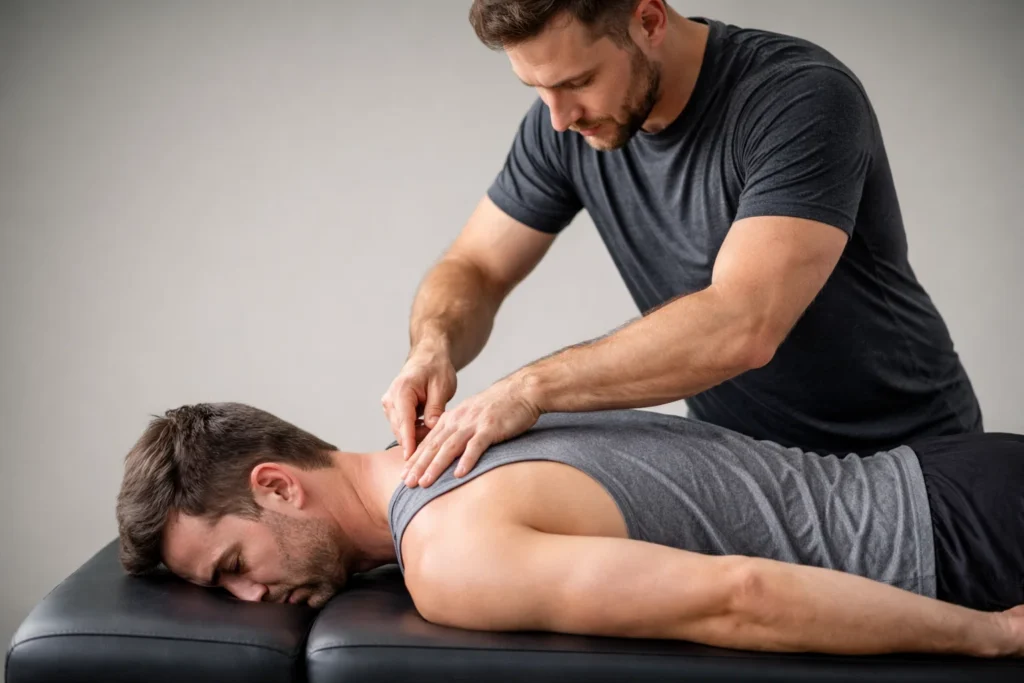
Neuromuscular massage relies on accurate palpation, mapping of pain referral patterns, and technique selection based on what the tissue is doing. Core approaches commonly include sustained compression, positional release, cross-fiber friction, and assisted stretching strategies used after trigger points are released. The clinical difference is that the therapist is not simply applying “more pressure.” The therapist is applying precise pressure to a specific pain generator while monitoring your tolerance and tissue response.
A typical session begins with a brief intake focused on symptom patterns, work habits, previous injuries, and posture stressors. The therapist locates trigger points through palpation, applies controlled pressure while maintaining communication, then uses movement and stretching to help retrain the muscle toward healthier function. The outcome is not only reduced pain but improved movement mechanics, which is essential for long-term results.
Conditions Commonly Treated in Portland
Neuromuscular massage benefits are most noticeable when pain is tied to trigger points and chronic muscle imbalance. Common conditions include:
- chronic neck pain and tech neck tension
- tension headaches and cervicogenic headaches
- chronic low back pain and gluteal trigger point pain
- shoulder tightness and rotator cuff overload patterns
- Repetitive strain symptoms from desk work
- postural strain from prolonged sitting or driving
- sports recovery and training-related tightness
- muscle guarding after auto accidents and whiplash patterns
When pain involves both muscular trigger points and spinal joint restriction, combining neuromuscular therapy with chiropractic care often improves speed of recovery and reduces recurrence.
Safety, Contraindications, and What to Expect After a Session
Neuromuscular therapy is generally safe when performed by trained professionals, but it may be modified or avoided in cases of fever or active infection, acute injury within the first 48 to 72 hours, uncontrolled bleeding disorders, certain anticoagulant regimens, open wounds, or fragile bone conditions such as severe osteoporosis. Most people experience mild post-treatment soreness for 24 to 48 hours, similar to post-exercise soreness, especially when trigger points were deeply established.
Hydration, gentle movement, and following home recommendations improve comfort and help the body maintain gains between visits.
How Often Should You Schedule Neuromuscular Massage?
Frequency depends on symptom severity, duration, and functional goals. For chronic pain patterns or significant trigger point involvement, many care plans begin with multiple sessions over several weeks, then transition to less frequent maintenance once the condition stabilizes. Consistency matters. Trigger points often return when posture habits, repetitive strain, or stress patterns remain unchanged, which is why treatment is most successful when paired with corrective exercise and ergonomic changes.
Schedule Neuromuscular Massage in Portland, Oregon
If you are looking for neuromuscular massage benefits that go beyond temporary relaxation and actually address chronic pain drivers, trigger points, and muscle imbalance, our team is ready to help.
Address: 10915 SE Stark St. Suite 200, Portland, OR 97216Book: Online BookingPhone: (503) 899-0707
Call today to schedule an evaluation and learn how neuromuscular massage therapy in 2026 can support pain relief, posture improvement, mobility restoration, and long-term function through targeted, evidence-based care.