Preventing Opioid Dependence: The Role of Chiropractic Care in Portland, Oregon
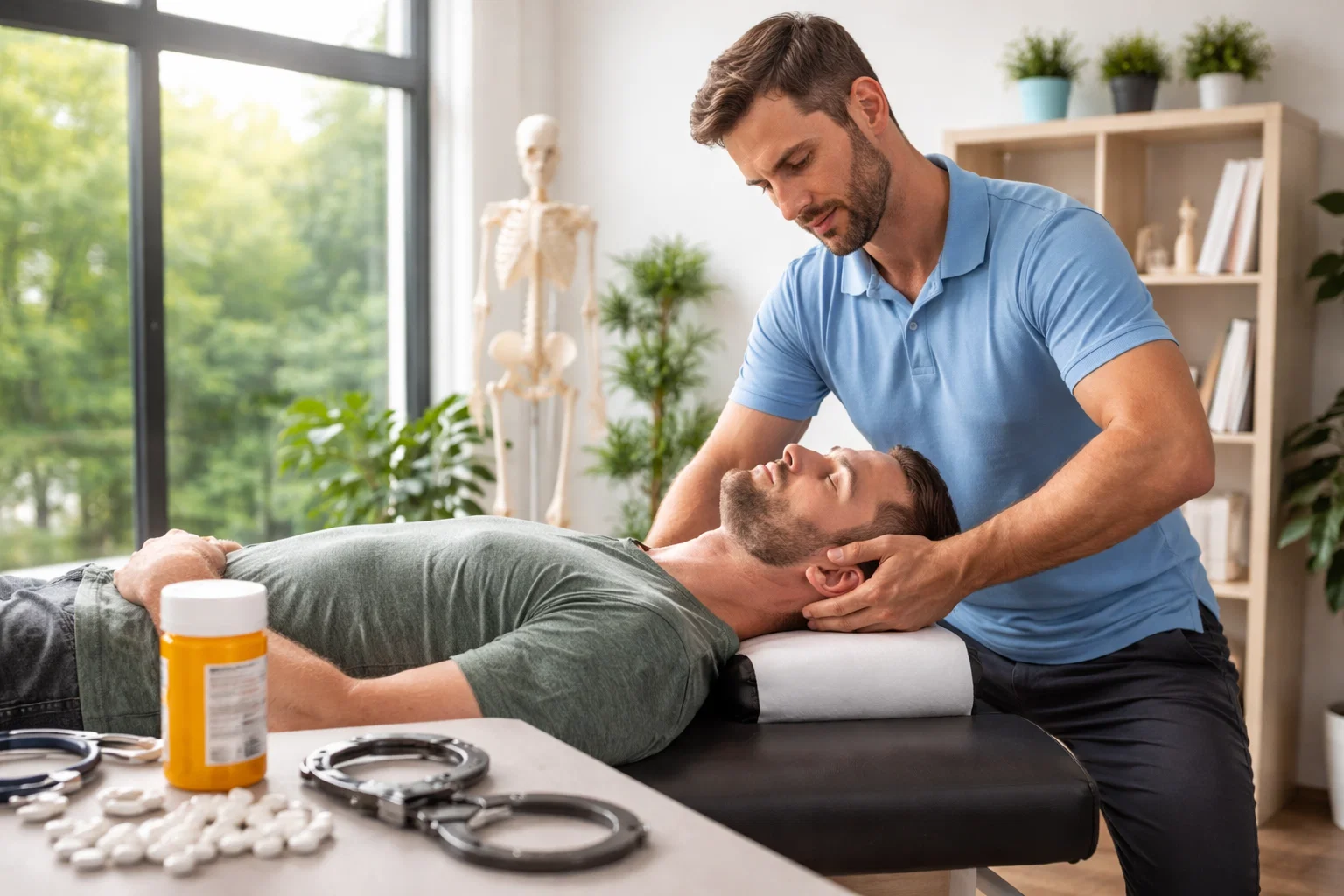
The opioid crisis continues to impact communities across the United States, including Portland, Oregon. Prescription pain medications such as codeine and fentanyl were initially intended to manage acute pain, but long-term use has led many patients to explore alternatives like chiropractic care for chronic pain, as dependence, addiction, and serious health consequences became more widespread.
For patients suffering from chronic neck pain, lower back pain, sciatica, or auto accident injuries, the need for safe and effective pain management solutions has never been more urgent. Chiropractic care for chronic pain offers a non-invasive, drug-free alternative that addresses the root cause of pain rather than masking symptoms.
At ProCare Chiropractic Clinic, we provide evidence-based chiropractic treatment focused on restoring spinal alignment, improving nervous system function, and reducing chronic pain without opioid medications.
Understanding the Link Between Pain and Opioid Dependence
Opioids may provide temporary relief for acute pain. However, prolonged use often leads to:
- Increased tolerance
- Escalating dosage requirements
- Opioid-induced hyperalgesia (heightened sensitivity to pain)
- Physical dependence
- Risk of overdose
Opioids do not correct the structural or mechanical causes of musculoskeletal pain. They suppress pain signals but leave underlying spinal misalignment, inflammation, or nerve irritation unaddressed.
Chiropractic care for chronic pain focuses on correcting these mechanical dysfunctions.
Drug-Free Pain Management in Portland
Chiropractic treatment aims to restore proper joint mobility and reduce nerve compression. Techniques may include:
- Spinal adjustments
- Manual therapy
- Corrective exercises
- Postural rehabilitation
- Lifestyle and ergonomic guidance
By improving spinal biomechanics and nervous system communication, chiropractic care promotes natural healing responses within the body.
Patients with conditions such as:
- Herniated discs
- Sciatica
- Whiplash
- Chronic neck pain
- Lower back pain
- Auto accident injuries
often benefit from conservative chiropractic management without reliance on long-term medication.
Addressing the Root Cause of Pain
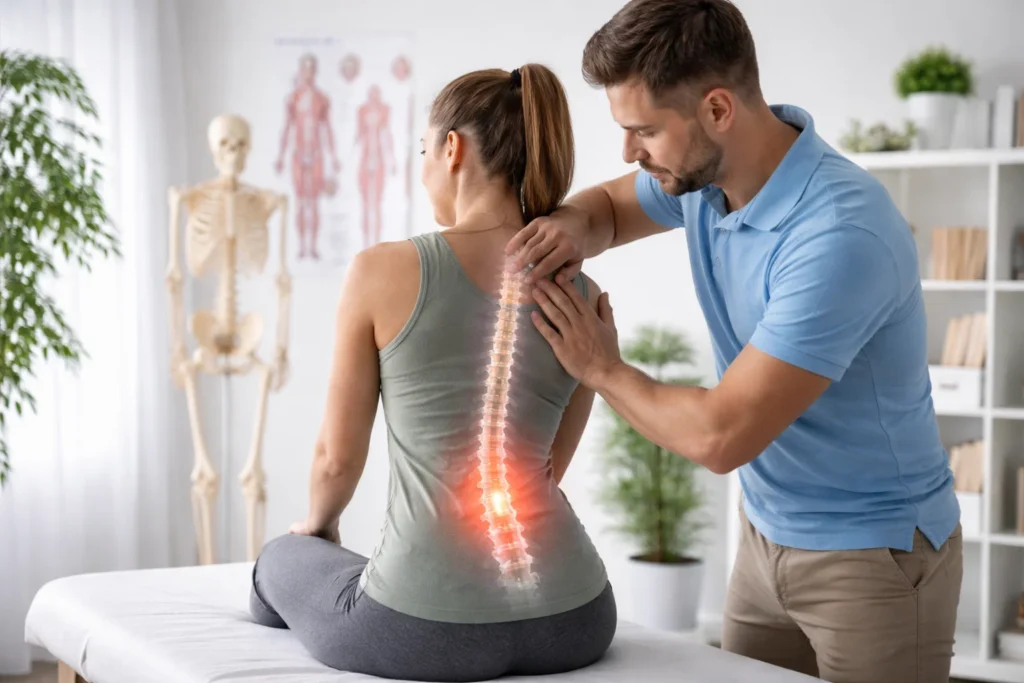
Many chronic pain conditions originate from:
- Spinal misalignment
- Muscle imbalance
- Joint restriction
- Inflammation
- Repetitive strain
Chiropractic care works to identify and correct these dysfunctions. When spinal joints move properly and nerve irritation decreases, pain levels often reduce naturally.
This approach helps patients in Portland manage discomfort while avoiding the risks associated with opioid therapy.
Supporting Long-Term Wellness
Chiropractic care is not limited to symptom relief. It also emphasizes:
- Strengthening supporting musculature
- Improving posture
- Enhancing mobility
- Reducing inflammation
- Encouraging healthy lifestyle habits
By improving overall function, patients often experience better sleep, reduced stress, and improved daily performance.
A proactive approach to musculoskeletal health decreases the likelihood of chronic pain cycles that can lead to medication dependence.
A Safer Alternative for Chronic Pain in Portland, Oregon
Non-surgical, drug-free care is increasingly recommended for musculoskeletal conditions before considering long-term opioid therapy. Chiropractic care provides:
- Conservative treatment
- Reduced reliance on pain medication
- Functional improvement
- Lower risk profile
For many patients, addressing spinal dysfunction early prevents the progression of pain that might otherwise lead to stronger medication use.
Schedule a Chiropractic Care for Chronic Pain Evaluation in Portland, Oregon
Address: 10915 SE Stark St. Suite 200, Portland, OR 97216Book: Online BookingPhone: (503) 899-0707
If you are struggling with chronic neck pain, lower back pain, sciatica, or auto accident injuries in Portland, Oregon, chiropractic care may help you reduce pain naturally and avoid long-term medication dependence.
Call today to begin a personalized, non-invasive treatment plan designed to restore function and support lasting spinal health.