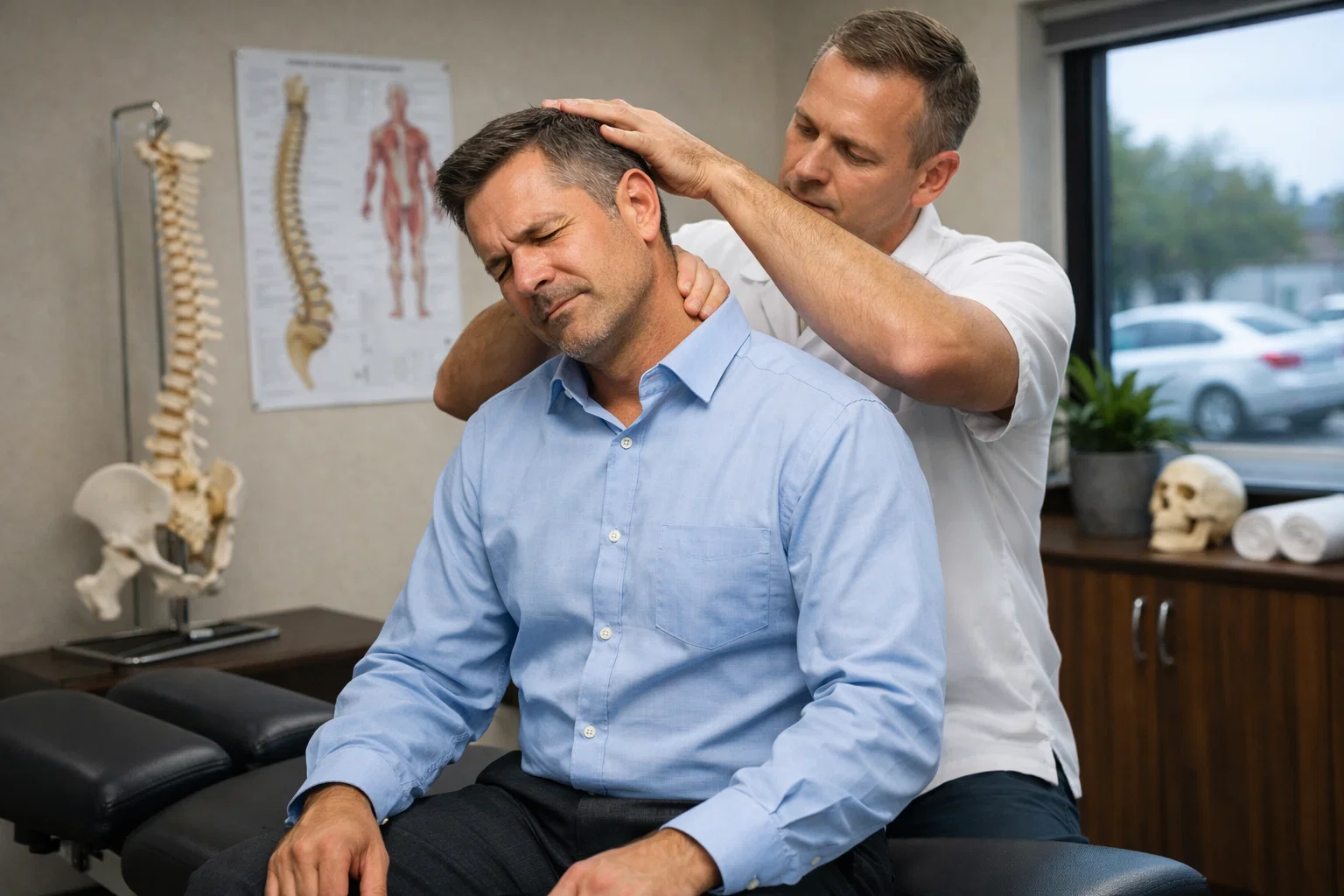
The Most Common Airbag and Seatbelt Injuries
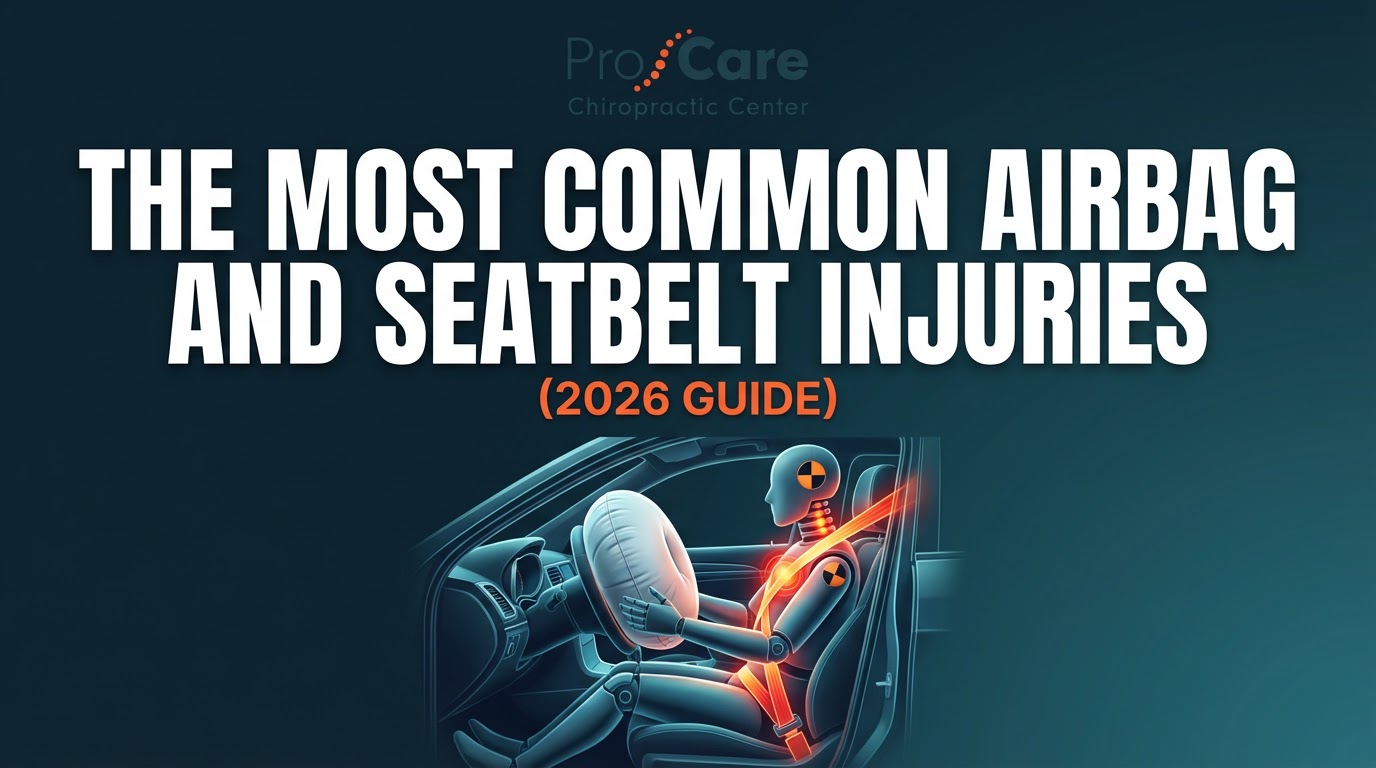
Airbags and seatbelts are designed to save lives during auto collisions. They dramatically reduce the risk of fatal injury by preventing ejection from the vehicle and cushioning the force of impact.
However, while these safety systems protect you from far more serious harm, they can still cause injuries in the process.
Seatbelts restrain your body from being thrown forward. Airbags deploy at high speed to absorb impact before you strike the steering wheel, dashboard, or windshield. The force required to protect you can sometimes leave behind its own injuries.
Understanding the most common airbag and seatbelt injuries in 2026 can help you recognize symptoms early and seek proper treatment.
1. Abrasions, Contusions, and Burns
These are the most frequently reported airbag and seatbelt injuries.
Abrasions (Scrapes)
Seatbelts can cause friction burns or scrapes across the chest, shoulder, or neck. The rapid force of restraint pulls the belt tightly against the skin, creating surface injuries.
Contusions (Bruises)
Bruises occur when small blood vessels rupture under pressure. These are commonly seen across:
- Chest
- Collarbone
- Abdomen
- Upper arms
While most bruises are mild, deep contusions may indicate more serious underlying trauma.
Chemical Burns from Airbags
Airbags deploy through a rapid chemical reaction that produces gas to inflate the cushion almost instantly. During deployment:
- Heat is generated
- Gas is released
- Small vents expel excess pressure
Hands and forearms are especially vulnerable to burns if gripping the steering wheel during impact. In rare cases, defective airbags may release hot gas forcefully, causing more severe burns.
Most burns are minor, but blistering, intense redness, or ongoing pain should be evaluated by a medical professional.
2. Whiplash and Soft Tissue Neck Injuries
Even with safety restraints, whiplash remains one of the most common injuries after a collision.
When your vehicle stops suddenly:
- The seatbelt restrains your torso
- Your head continues moving forward
- Your neck snaps back and forth
This rapid motion can strain or tear soft tissues in the neck.
Common symptoms include:
- Neck stiffness
- Headaches
- Reduced range of motion
- Shoulder pain
- Upper back discomfort
Although airbags and seatbelts reduce the severity of whiplash compared to unrestrained collisions, soft tissue injury is still common.
Treatment may include:
- Rest
- Ice or heat therapy
- Physical therapy
- Chiropractic care
- Massage therapy
- Targeted exercises
Early intervention reduces the risk of chronic pain.
3. Concussions and Head Trauma
Airbags cushion impact, but they do not eliminate the risk of concussion.
A concussion can occur when:
- Your head strikes the airbag
- Your head snaps violently forward or backward
- The force of deceleration causes brain movement inside the skull
Symptoms of concussion may include:
- Loss of consciousness (even briefly)
- Persistent headache
- Dizziness
- Balance problems
- Nausea or vomiting
- Sensitivity to light
- Ringing in the ears
- Memory or concentration difficulties
- Mood changes
Even if symptoms appear mild, evaluation by a medical professional is critical. Brain injuries can worsen without proper monitoring.
4. Rib and Chest Injuries
Seatbelts protect the chest and abdomen but can also cause blunt force trauma.
Possible injuries include:
- Rib bruising
- Rib fractures
- Sternum injury
- Chest wall inflammation
Pain while breathing, coughing, or moving may indicate rib involvement.
Though often minor, rib fractures can lead to complications if not properly treated.
5. Internal Injuries and Internal Bleeding
Some of the most serious airbag and seatbelt injuries are not visible.
Internal trauma may affect:
- Abdominal organs
- Intestines
- Liver
- Spleen
- Kidneys
- Pelvis
Symptoms of possible internal injury include:
- Abdominal pain
- Swelling
- Dizziness
- Fainting
- Unexplained weakness
- Deep bruising across the abdomen (“seatbelt sign”)
Internal bleeding is a medical emergency. Immediate evaluation is necessary if symptoms appear.
6. Shoulder and Clavicle Injuries
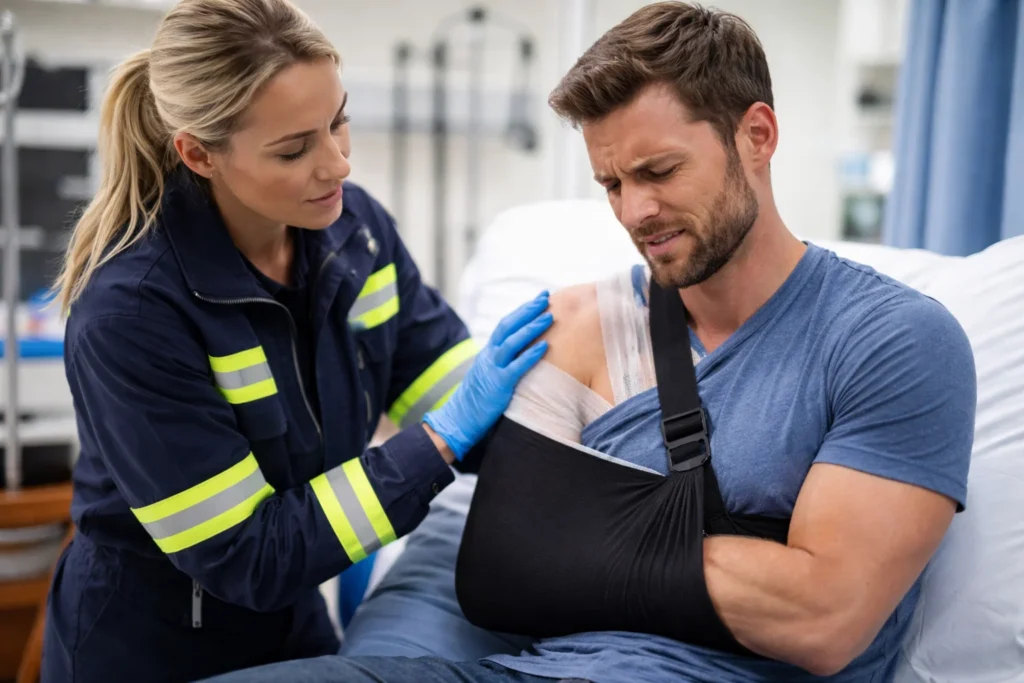
The shoulder strap of a seatbelt can place force across the clavicle (collarbone) and shoulder joint.
Possible injuries include:
- Clavicle fractures
- Rotator cuff strain
- Shoulder dislocation
- Soft tissue tears
Pain when lifting the arm or weakness in the shoulder should not be ignored.
7. Pelvic and Hip Injuries
The lap belt restrains the lower body. During severe impact, pressure across the pelvis may result in:
- Pelvic bruising
- Hip joint strain
- Lower abdominal injury
Improper seatbelt positioning increases the risk of pelvic injury.
Why Symptoms May Be Delayed
After a car accident, adrenaline floods the body. This can temporarily mask pain.
Some injuries may not appear for:
- Hours
- Days
- Even weeks
Common delayed symptoms include:
- Neck stiffness
- Headaches
- Shoulder pain
- Tingling or numbness
- Abdominal discomfort
Early evaluation ensures that minor injuries do not become chronic conditions.
When to Seek Medical Attention
You should seek immediate medical care if you experience:
- Severe headache
- Loss of consciousness
- Chest pain
- Abdominal pain
- Persistent dizziness
- Difficulty breathing
- Numbness or weakness
- Significant swelling
Even if injuries appear minor, a post-accident evaluation is strongly recommended.
The Importance of Follow-Up Care
While airbags and seatbelts may cause some injuries, they dramatically reduce the risk of fatal outcomes. The injuries they cause are typically far less severe than those sustained without restraint.
However, untreated soft tissue injuries can develop into:
- Chronic pain
- Reduced mobility
- Scar tissue formation
- Long-term dysfunction
Comprehensive post-accident care may include:
- Medical evaluation
- Diagnostic imaging
- Physical therapy
- Chiropractic care
- Rehabilitation exercises
Early intervention improves recovery outcomes.
Final Thoughts
Airbags and seatbelts save lives. But the force required to protect you during a crash can still cause injury.
Understanding the most common airbag and seatbelt injuries in 2026 helps you recognize symptoms quickly and pursue appropriate treatment.
If you’ve been involved in a car accident, don’t assume you’re fine simply because your injuries appear minor. A professional evaluation ensures hidden injuries are detected early and properly managed — protecting both your short-term recovery and long-term health.
Address: 10915 SE Stark St. Suite 200, Portland, OR 97216Book: Online BookingPhone: (503) 899-0707